The 12% Fleet Shift That Signals How Airlines Are Hollowing Out Coach Before Flyers Notice
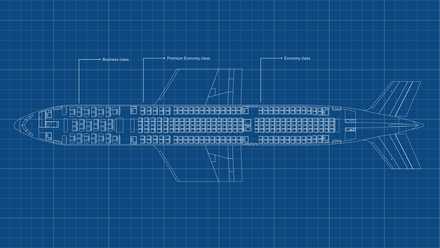
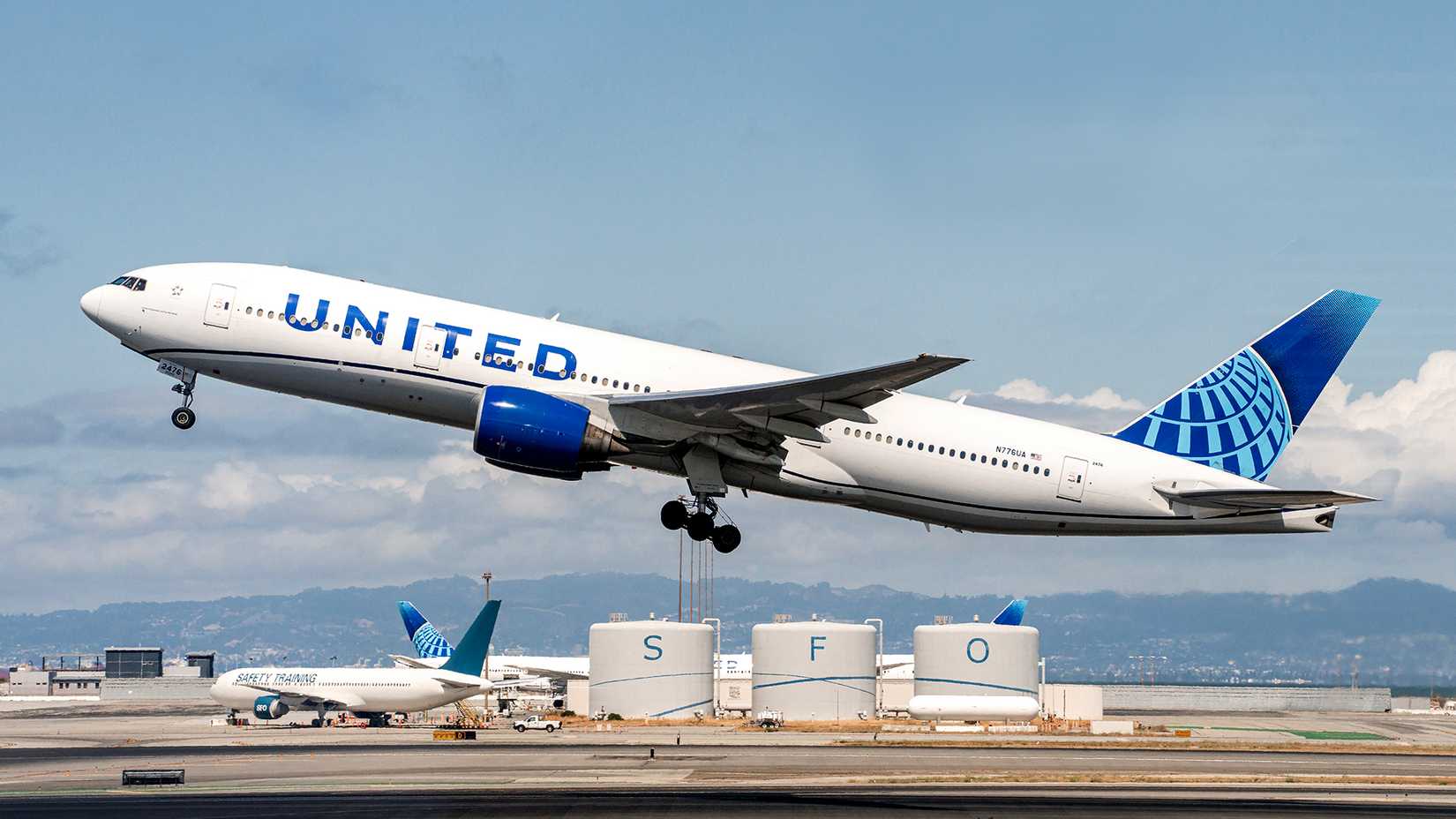
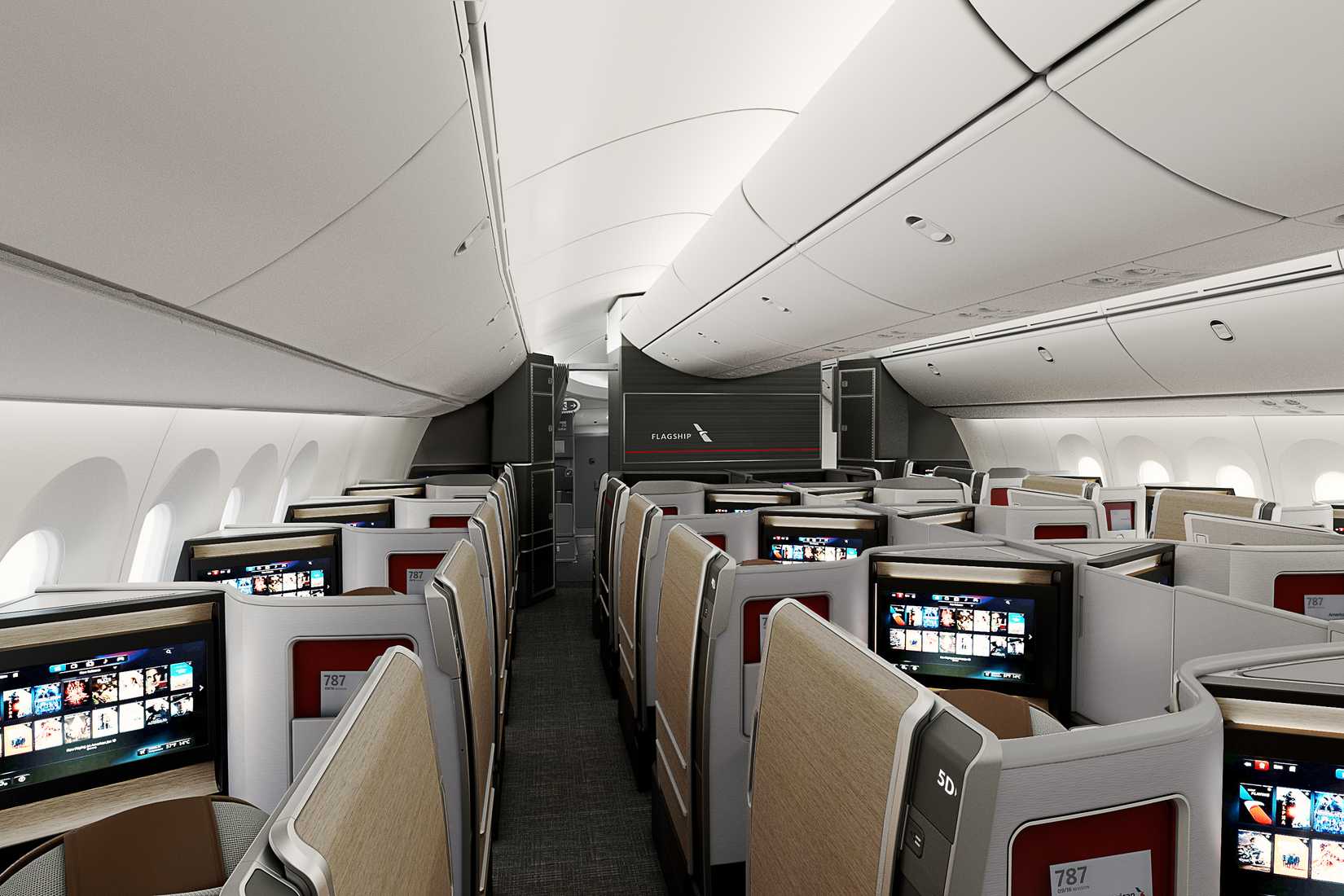
Airlines are quietly rebalancing their cabins toward premium seating, and the data points now moving through fleet-planning offices confirm what many frequent flyers have suspected for several years: coach is no longer the product airlines are building around. Delta's premium cabin revenue reaching roughly $5.7 billion—edging past main cabin revenue of $5.62 billion for the first time in company history—is the clearest financial signal yet that legacy carriers view economy as a supporting product rather than the core revenue driver. United's fleet-wide premium seating share climbing to approximately 12%, paired with new 787-9 configurations carrying 64 business seats and 35 premium economy seats against just 123 standard economy seats, shows this isn't a marketing narrative but a structural shift in how aircraft are being ordered, configured, and retrofitted. American's similarly premium-heavy 787-9 layouts reinforce that this is an industry-wide repositioning, not an isolated strategy at one carrier.
For working pilots, this shift carries operational and career-relevant implications well beyond cabin aesthetics. Aircraft with heavier premium configurations typically fly with different weight and balance profiles, altered galley and lavatory service loads, and revised boarding/deboarding sequencing that affects block times and turn planning. Long-haul international crews will increasingly operate jets where a much larger share of the cabin generates disproportionate revenue per square foot, which shapes network planning—airlines will favor routes and frequencies that can fill premium inventory, potentially concentrating widebody flying on fewer, higher-yield city pairs rather than spreading capacity broadly. Pilots at legacy and network carriers should expect continued retrofit programs (reconfigurations, not just new deliveries) to remain a steady maintenance and scheduling variable, since airlines are choosing incremental interior changes precisely because they don't require fleet-wide announcements or schedule disruptions. This also has downstream implications for training and crew scheduling groups, as premium-heavy widebodies often carry different crew complement requirements tied to service standards rather than just seat count.
The broader trend reflects the same K-shaped economic pattern that has reshaped much of consumer travel spending post-pandemic: high-income travelers and corporate accounts continue paying substantially more for comfort and flexibility, while price-sensitive leisure demand remains comparatively soft. This dynamic is pushing airlines to treat cabin real estate as a profitability-per-square-foot calculation rather than a passenger-maximization exercise, a philosophy that increasingly resembles how business aviation and premium charter operators have long approached aircraft economics. It also intersects with the broader narrowbody/widebody capacity debate—airlines investing in premium retrofits are implicitly betting that yield management and loyalty-program upsell (rather than raw capacity growth) will drive future margins, which has implications for aircraft order books at Boeing and Airbus, particularly widebody demand skewed toward premium-dense configurations.
For corporate and business aviation operators, this trend is worth watching closely because it validates continued growth in the premium travel segment even as commercial economy demand plateaus. As commercial airlines cannibalize their own coach capacity to expand premium seating, some price-sensitive corporate travel that once tolerated economy or basic premium economy may increasingly evaluate private and fractional options if commercial premium pricing escalates faster than economy fares. Meanwhile, pilots and operations planners across all segments should recognize that fleet composition decisions—whether at a major airline retrofitting 787s or a fractional operator adding cabin-class aircraft—are increasingly driven by yield-per-seat economics rather than total passenger throughput, a trend likely to accelerate as airlines report earnings through 2026 and beyond.












 Read original article