Spirit Airlines rescue effort frustrates an industry waiting for it to fail
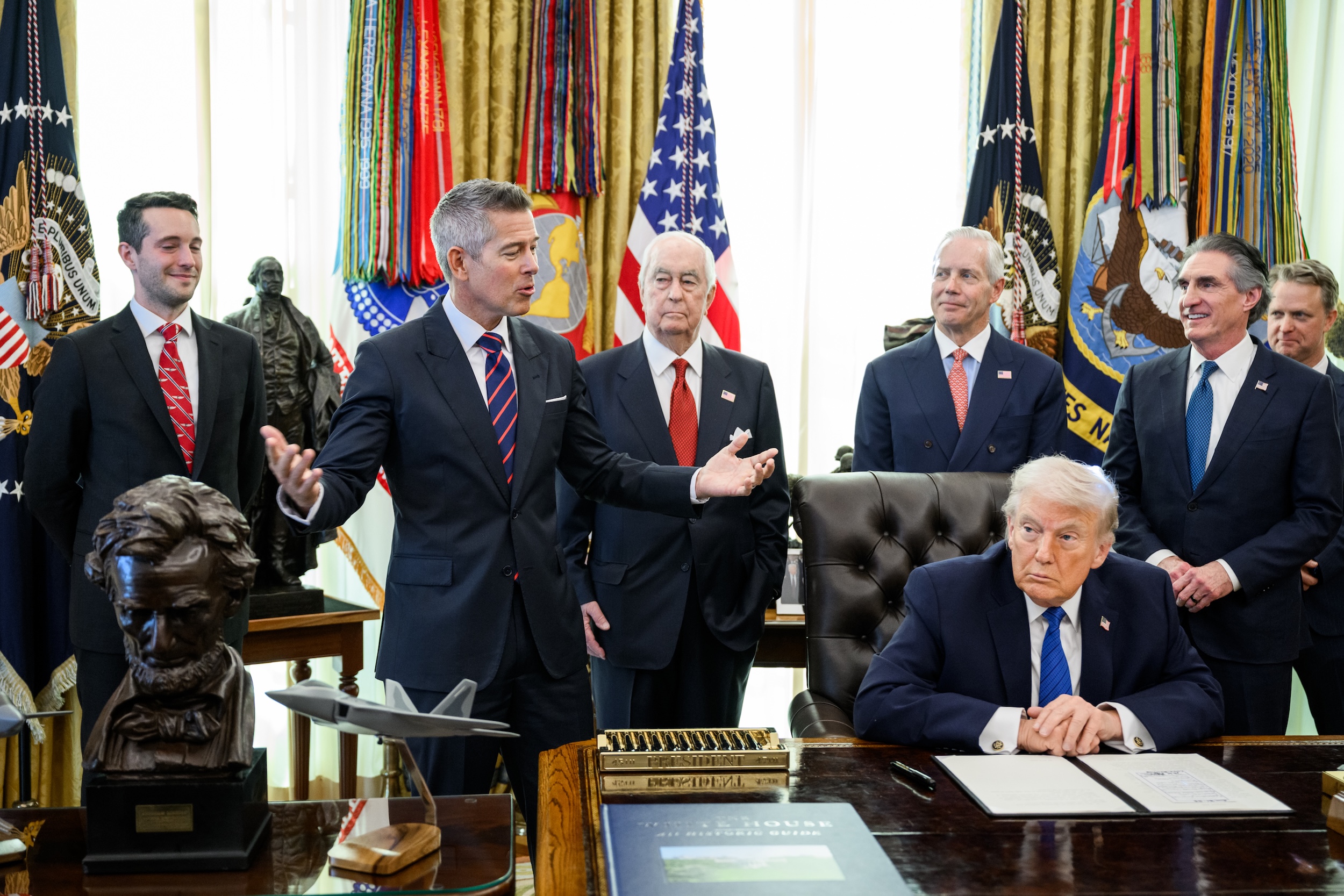
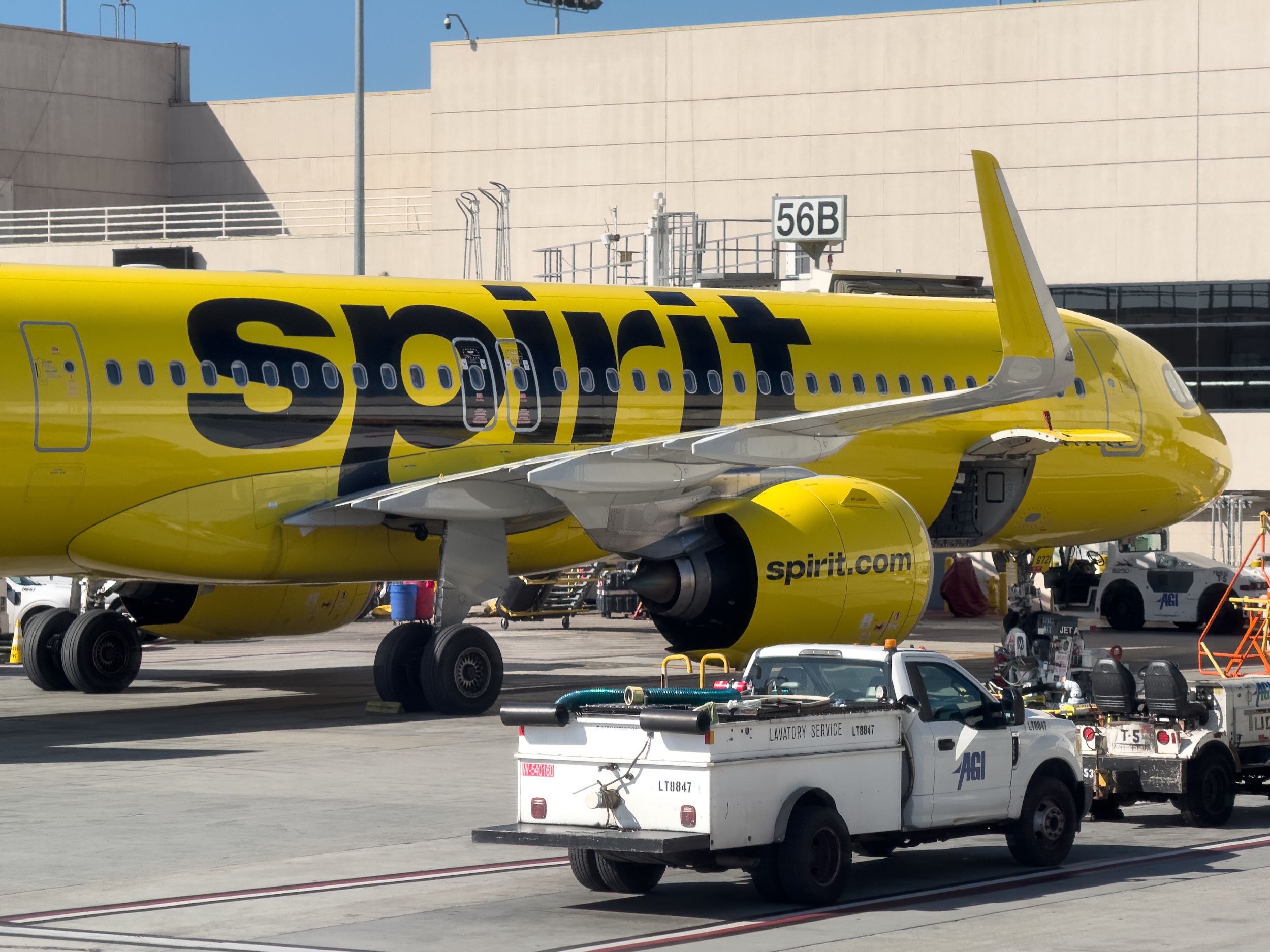
Spirit Airlines ceased all operations on May 9, 2026, concluding a protracted collapse that the Trump administration spent weeks attempting to reverse through an unprecedented series of government interventions. The Fort Lauderdale-based ultra-low-cost carrier, which had not posted a profit since 2019 and had filed two bankruptcies since its proposed merger with JetBlue Airways disintegrated in January 2024, exhausted its operating cash reserves despite a reported $500 million federal bailout proposal that would have granted the U.S. government approximately 90% equity stake via warrants. Talks broke down on May 8 after unsecured creditors rejected terms that would have subordinated their claims, and no last-minute White House intervention materialized. The administration had also floated merger overtures to multiple competitors — including JetBlue, Frontier, and others — none of whom accepted, according to multiple people familiar with the discussions. Secretary of Transportation Sean Duffy acknowledged the breadth of those outreach efforts publicly at an April 27 press event, characterizing them as exhaustive.
The shutdown removes approximately 1.8 million seats from the May schedule, representing roughly 2% of total U.S. scheduled airline capacity, according to Cirium's Diio data cited in reporting by The Air Current. For airline pilots and operators, that figure carries concrete implications: the sudden capacity reduction will exert upward pressure on fares across leisure-heavy routes, particularly in south Florida markets and at Newark Liberty International Airport, where Spirit held meaningful slot positions. American Airlines and United Airlines both launched targeted hiring portals within hours of the announcement, signaling immediate competition for Spirit's furloughed pilot workforce — a pool of experienced Airbus A320-family-rated aviators that larger carriers will move quickly to absorb. Business aviation operators and corporate flight departments should anticipate further tightening of the already-strained commercial feeder network into secondary leisure markets, potentially increasing demand for charter and fractional alternatives among time-sensitive travelers priced out of budget options.
The fuel cost environment that accelerated Spirit's demise is not isolated to ultra-low-cost operators. Jet fuel surpassed $4 per gallon as a direct consequence of the U.S.-Israel conflict with Iran, a shock that has compressed margins industry-wide and prompted the Association of Value Airlines — representing Frontier, Allegiant, Sun Country, and Avelo — to formally request $2.5 billion in federal bridge financing from Secretary Duffy. That request, combined with the administration's willingness to contemplate a direct government equity stake in Spirit, marks a significant departure from the market-oriented posture that has generally characterized U.S. airline policy since deregulation in 1978. Whether Congress will authorize such relief for the surviving budget carriers remains unresolved, but the precedent being set in these negotiations will shape how regulators and legislators respond to the next wave of airline financial distress.
JetBlue Airways occupies a particularly consequential position in this restructuring of the low-cost landscape. Having built dominant carrier status at Fort Lauderdale — Spirit's former home base — during the years Spirit foundered, JetBlue simultaneously carries over $9 billion in debt and recently secured an additional $500 million in aircraft-backed financing. CEO Joanna Geraghty dismissed bankruptcy speculation during an April 28 earnings call and confirmed continued commitment to the Fort Lauderdale strategy regardless of Spirit's fate, framing the competitive outcome as a product quality verdict. For flight operations professionals tracking fleet availability and route network stability, JetBlue's financial leverage ratio warrants close attention: a carrier simultaneously expanding in a consolidating market while servicing a debt load of that magnitude faces structural vulnerabilities that fuel price volatility could rapidly accelerate.
The broader pattern emerging from Spirit's shutdown reflects a structural stress test for the entire U.S. air transportation system at a moment when geopolitical risk, fuel price volatility, and post-pandemic debt loads are converging. Spirit's ultra-low-cost model — in which ancillary fees accounted for roughly 90% of effective revenue — proved unsustainable against sustained fuel price shocks without the yield flexibility available to network and hybrid carriers. For professional pilots, particularly those evaluating career decisions within the regional and low-cost sectors, the failure serves as a case study in the fragility of ancillary-fee-dependent business models under commodity cost pressure. For corporate operators and flight departments, the contraction of ultra-low-cost capacity on domestic leisure routes historically has a lagged effect on repositioning costs and crew travel logistics as commercial alternatives become fewer and more expensive — a downstream operational consideration that deserves active planning attention in the months ahead.