Boeing faces ‘terrible teens’ scenario with early 777-9s
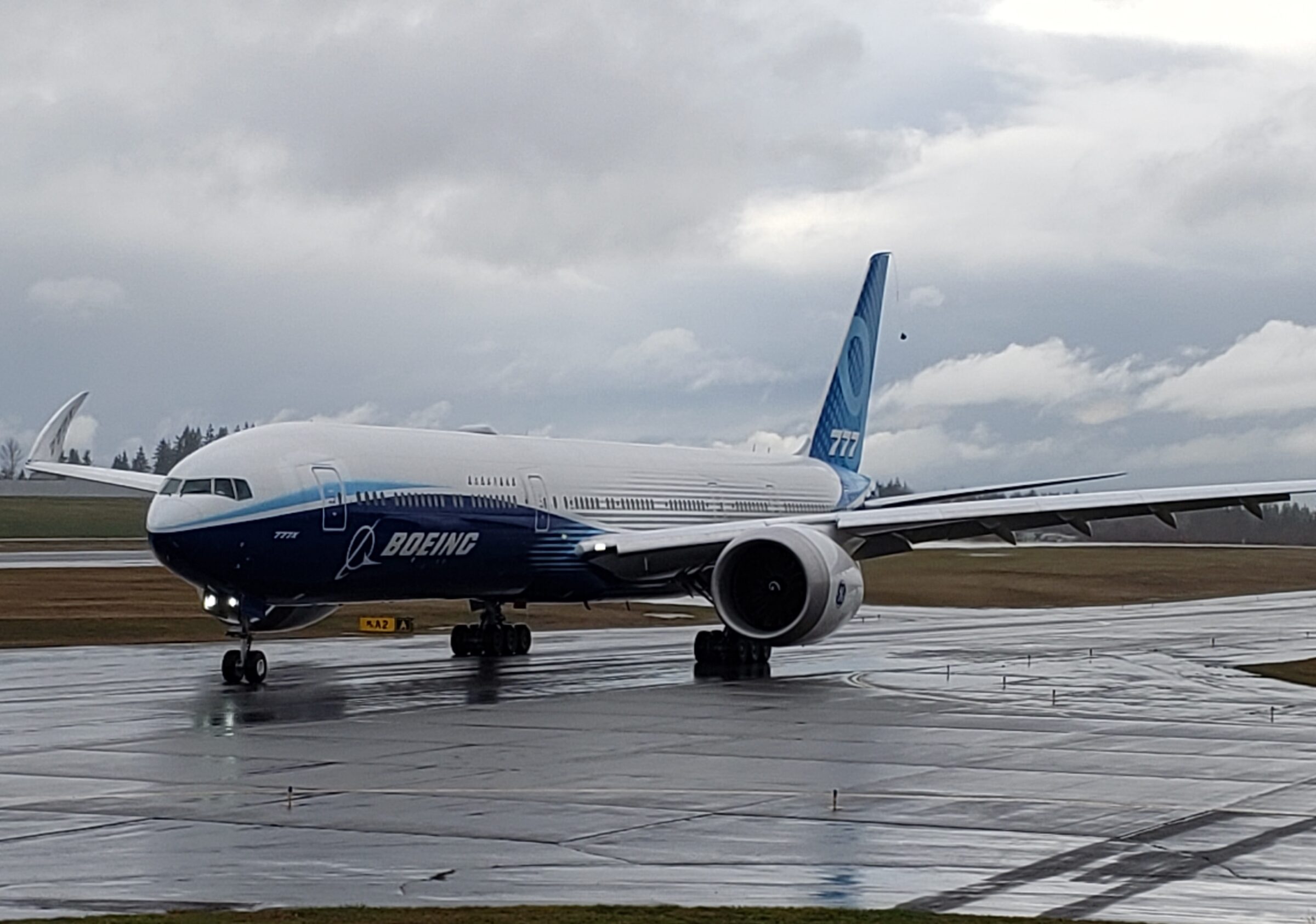
Boeing's 777-9 program is confronting a familiar and costly problem: a fleet of early-build aircraft that require extensive rework before they can be delivered to launch customers. According to Leeham News' Scott Hamilton, more than 30 777-9s assembled since 2019 have sat in storage while Boeing worked through an FAA certification process that was fundamentally reshaped by the 737 MAX crashes. The MAX accidents exposed how much regulatory authority the FAA had delegated to Boeing through its Organization Designation Authorization (ODA) program, in which company employees acting as FAA representatives were found to have been pressured by management to approve designs — most notably MCAS, the flight control law implicated in both fatal accidents. The resulting regulatory overhaul triggered a "deep-dive" review of 777X certification, pushing entry into service from a planned January 2020 date to sometime in 2027 — a delay of roughly seven years.
The consequence is a scenario Boeing has lived through before: the "Terrible Teens." During 787 production, the earliest airframes accumulated so many design and engineering changes during the test and certification period that airlines refused to accept them as-delivered, forcing Boeing to rework them extensively or sell them off cheaply — a process that took years and depressed pricing well below list value. The 777-9 program is now repeating that pattern at scale. Because changes have been incorporated progressively into the production line since 2018, the oldest airframes require the most extensive rework, while later-built aircraft need comparatively little. Launch customers including Emirates, Riyadh Air, and Qatar Airways have already signaled they don't want the earliest jets, and Emirates president Tim Clark's suggestion — even if hyperbolic — that Boeing may need to sell these airplanes for as little as $10 million against a nominal list price north of $500 million underscores how steep the discount could be.
For working pilots and flight operations planners, this matters on several levels. First, it's a tangible reminder of how deeply the MAX certification crisis restructured FAA oversight of Boeing programs, with downstream effects rippling into unrelated aircraft types years later. Wide-body crews anticipating 777-9 fleet introductions at Emirates, Qatar, Cathay Pacific, or other launch operators should expect further schedule uncertainty; CEO Kelly Ortberg has already told analysts that rework will take years to complete, meaning entry-into-service timelines could still slip further as the more heavily modified early airframes work through the backlog. Airlines building 777-9 crew training programs, route planning, and fleet transition schedules need to factor in the likelihood that initial deliveries will be a trickle rather than a wave, and that early aircraft may end up with different operators than originally intended — as seen with United's reported interest in picking up 20 of the discounted early jets, echoing its opportunistic acquisition of leftover 777-300ERs during the prior model transition.
More broadly, the 777-9 rework saga illustrates a structural risk in how large commercial aircraft programs are built and certified: manufacturers routinely build ahead of certification to keep production lines active and preserve delivery cadence, betting that regulatory approval will arrive on the original schedule. When that bet fails — as it did with the 787 and is now recurring with the 777X — the resulting inventory of undelivered, out-of-spec airframes becomes a major financial and logistical liability. For an industry already grappling with persistent supply chain constraints, engine durability issues (notably GE9X development challenges on the 777X), and heightened regulatory scrutiny post-MAX, the Terrible Teens problem is a cautionary data point for operators evaluating aircraft acquisition timing, and for pilots watching fleet-renewal plans that increasingly hinge not just on manufacturing capacity but on the pace of certification and change-incorporation work that can stretch program timelines by the better part of a decade.







 Read original article