Here's Where Delta Air Lines' Airbus A350 Suites Actually Fly Now & Why Award Seats Became 'Unicorns'
Delta Air Lines' fleet deployment strategy for its Airbus A350-900 and A330-900neo aircraft reveals a deliberate, economics-driven segmentation of its transatlantic network that carries real implications for how professional pilots think about equipment assignment, route planning, and career-track fleet bidding. Rather than distributing its newest widebodies evenly, Delta is concentrating enclosed-suite Delta One aircraft on high-yield corridors—Atlanta-Frankfurt, New York-London, Detroit-Amsterdam—where joint-venture partnerships with Air France-KLM and Virgin Atlantic generate dense connecting traffic and premium cabin demand. Meanwhile, seasonal and leisure-focused destinations like Olbia, Malta, and Porto are served by aging Boeing 767-300ERs and legacy A330ceos. For pilots, this is a textbook illustration of how network planning and cargo/premium revenue optimization directly drive which airframes get scheduled where, and why "widebody" no longer means a uniform product or flying experience even within a single carrier's fleet.
The operational subtext here matters most for pilots flying or bidding the 767 fleet. Delta has confirmed the 767-300ER will not receive a full Delta One Suite retrofit, and with the average airframe age approaching 30 years, retirements are accelerating year over year. This is a clear signal that the 767's remaining life at Delta is now measured in a fixed, shrinking runway rather than an open-ended service horizon—relevant to pilots making seniority-based fleet transfer decisions, training providers planning type-rating throughput, and maintenance planners managing an aging fleet's reliability curve as it winds down. The replacement plan—A330-900neos and additional A350s—reinforces a broader industry pattern in which legacy long-haul twins (767s, older A330s, even early 777s at other carriers) are being retired in favor of more fuel-efficient, ETOPS-friendly widebodies that also carry significantly more premium seating density per frame.
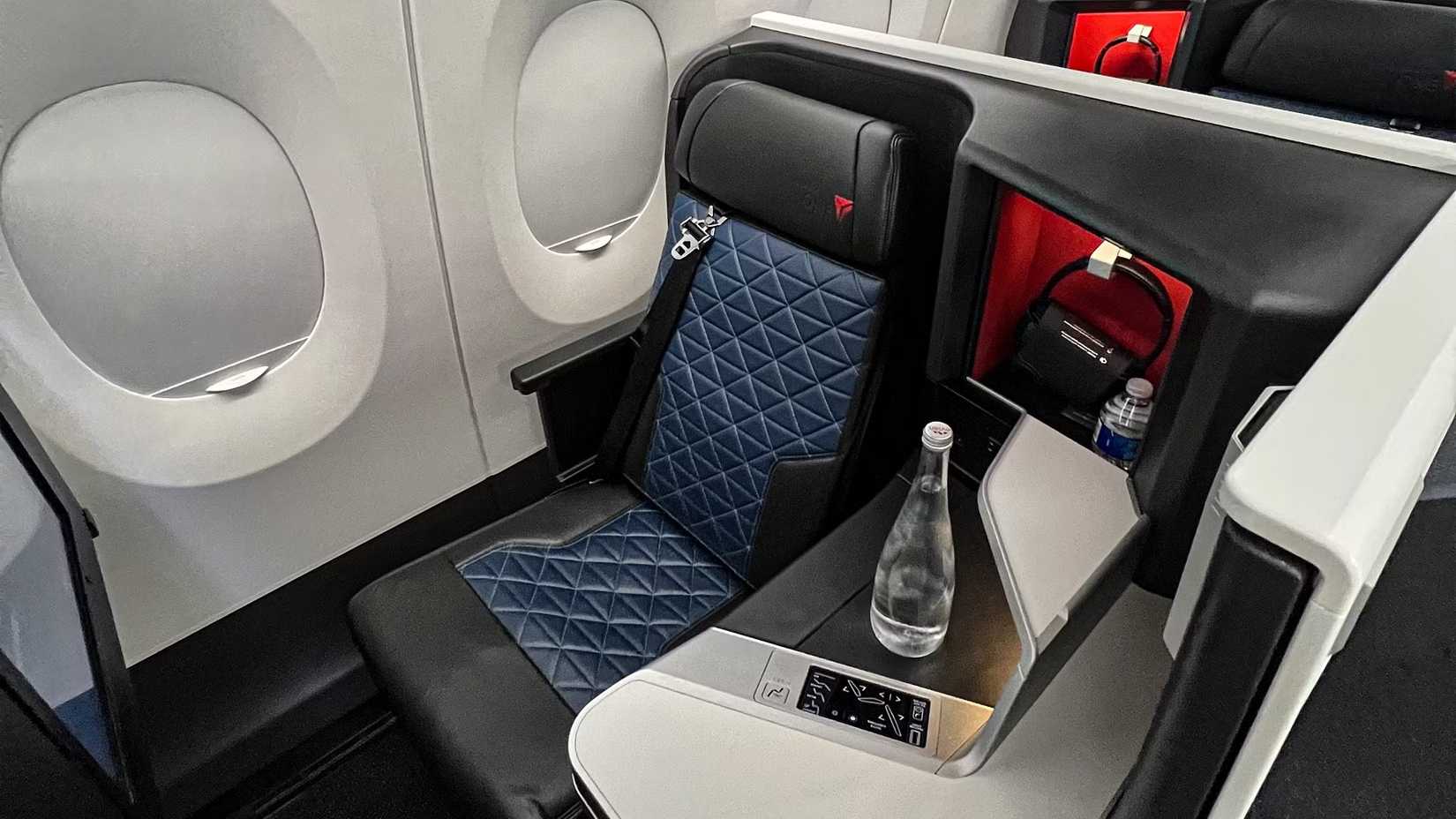
Delta's move to standardize its A350 fleet around the "35H" configuration (40 Delta One Suites, 40 Premium Select, 36 Comfort+) is notable for flight operations and crew planning alike. Aircraft acquired secondhand from LATAM currently carry different cabin layouts, meaning line pilots and flight attendants have had to manage inconsistent cabin configurations across supposedly identical tail numbers—a operational headache for crew briefings, catering, and passenger service consistency. Standardization simplifies this, but it also underscores how much modern widebody deployment decisions are now driven by premium-cabin economics and cargo yield rather than pure route distance or historical network legacy. Airlines increasingly treat their most capable long-haul jets as revenue-maximizing assets to be pointed at the routes with the richest business and connecting traffic, a dynamic business aviation operators and Part 91/135 flight departments will recognize from their own high-value client routing logic, even if the scale differs enormously.
For working pilots more broadly, this story reflects a maturing industry trend: fleet assignment is no longer just an engineering or range question but a network-revenue optimization exercise that directly shapes which pilots fly which equipment, how training pipelines are prioritized, and how quickly older fleets are retired. The award-travel "unicorn" phenomenon referenced in the original reporting—scarce points availability on the routes carrying the newest suites—is a downstream symptom of the same upstream decision: carriers are increasingly disciplined about matching their most capable, premium-heavy aircraft to the markets that can bear the highest fares and connecting yields, leaving thinner leisure markets to older iron until replacement aircraft become available. Pilots monitoring fleet transition timelines, whether for career planning, training bandwidth, or maintenance staffing, should treat 767 retirement schedules and A350/A330neo delivery cadences as leading indicators of where Delta's long-haul flying will be concentrated in the next five to ten years.





 Read original article