Emirates Only Flies Its Enclosed First Class Suites On 9 Of 250+ Aircraft: Here's Why
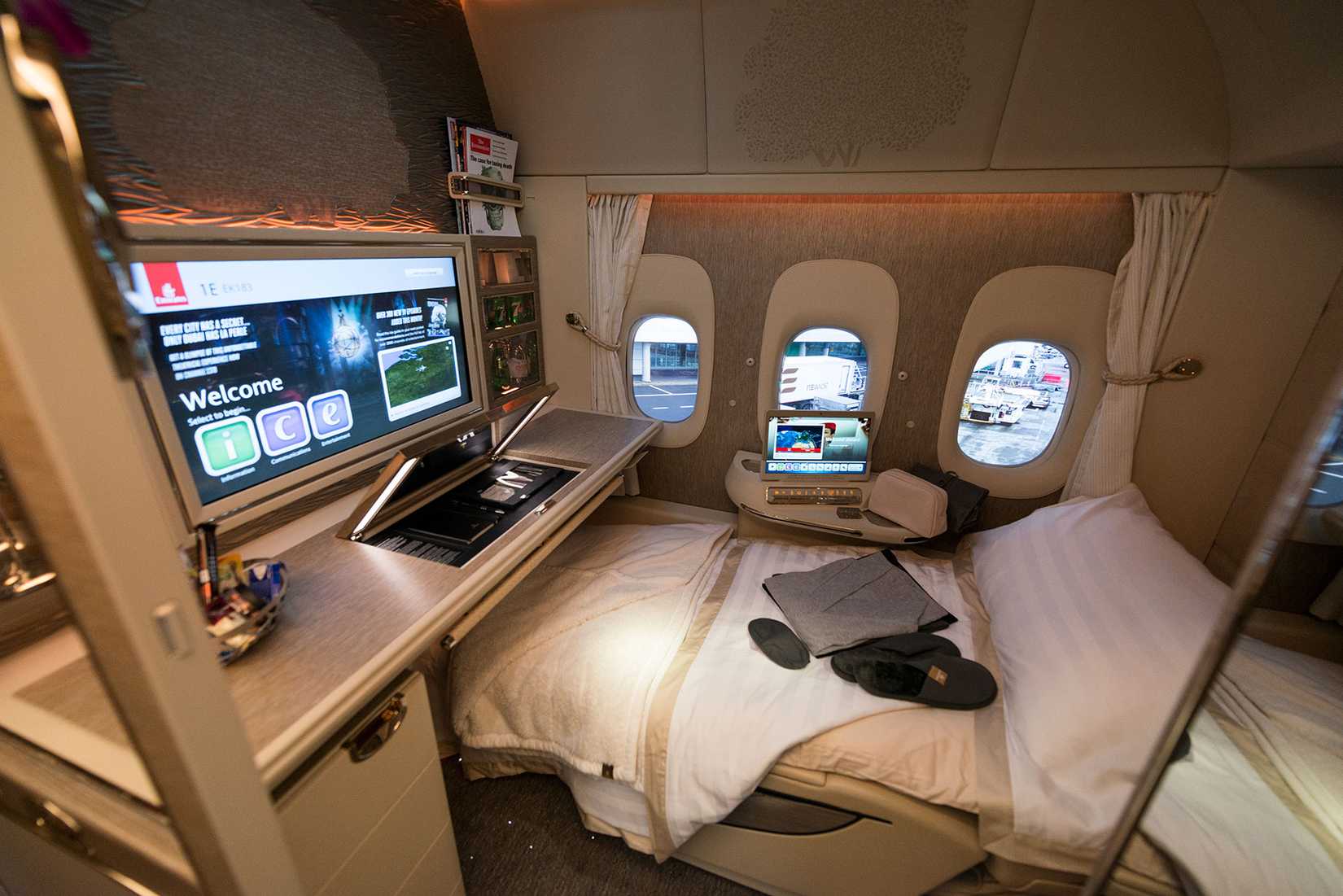
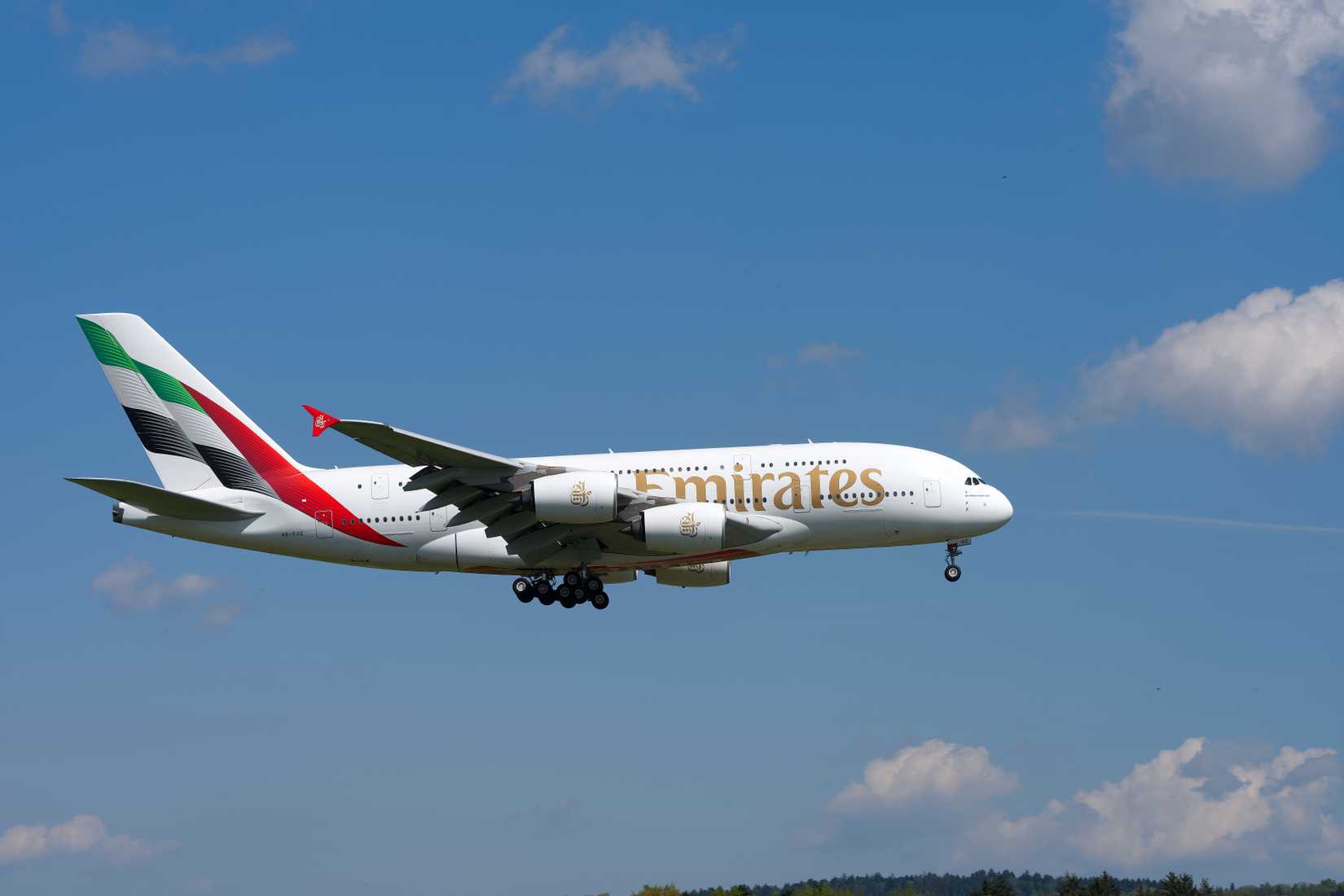
Emirates' Game Changer suite, first introduced in December 2017, represents the airline's most exclusive first-class product, yet the carrier has deployed it on only nine of its more than 250 aircraft, amounting to just 54 suites systemwide. The fully enclosed cabin—floor-to-ceiling walls nearly 6.5 feet tall, sliding doors with no gap, virtual windows in center positions, and zero-gravity seating derived from Mercedes-Benz ergonomic research—resolves the one shortcoming of the A380 first-class cabin, whose doors leave a visible ceiling gap. Despite being the superior privacy product, Emirates has no retrofit plans for the remainder of its 777-300ER fleet, a decision rooted entirely in revenue mathematics rather than product preference. The Game Changer configuration carries only six suites per aircraft in a 1-1-1 layout, compared to eight in the standard 777 first-class cabin and 14 on the A380. That is a 25% capacity reduction against a comparable 777 and less than half the inventory of an A380 departure, at price points that routinely exceed $10,000 and can surpass $25,000 per ticket on premium routes.
For working pilots and operators, this case study is a clean illustration of how widebody cabin architecture decisions cascade through fleet planning, route assignment, and crew scheduling. Emirates has concentrated the Game Changer product on a specific tier of high-yield, shorter-to-medium-haul routes—Dubai to Geneva, Brussels, Chicago, Kuwait, Melbourne, and the Tokyo airports, with occasional Zurich and London Stansted rotations—where privacy-motivated business and high-net-worth travelers are willing to pay a premium without needing the A380's shower spa or onboard bar. That routing pattern means crews bidding or scheduled onto these specific 777-300ER tail numbers are effectively operating a distinct sub-fleet with unique cabin systems, catering profiles, and passenger service procedures, separate from the majority of Emirates' 777 and A380 operations. Airlines increasingly manage cabin variants as much as aircraft types, and dispatchers, schedulers, and cabin crew alike need to track which specific airframe is flying which route on a given day, since the aircraft, not just the route, defines the product being sold.
The retrofit decision itself reflects a broader and recurring theme across the widebody fleet-planning world: capital expenditure on cabin overhauls is only justified when there is sufficient remaining airframe life to amortize the cost, and Emirates has judged its existing 777-300ER fleet to be far enough along in its service life that a structural rebuild of the first-class cabin doesn't pencil out. Instead, the airline is pointing to the incoming 777X as the platform where a next-generation first-class product will be engineered in from the start rather than bolted on later. This mirrors decisions made across the industry by carriers like American, United, and Lufthansa, which have similarly opted to concentrate cabin retrofits on younger fleet segments or defer full product overhauls to new aircraft deliveries rather than spread capital thin across aging tails nearing their next heavy check or lease return.
For business aviation and charter operators, the underlying principle—that cabin density and configuration are direct trade-offs against per-seat revenue and market positioning—applies just as forcefully in the ultra-long-range jet segment, where operators weigh galley size, lavatory placement, and seat count against range and revenue per trip. The Emirates example also underscores a trend playing out across commercial long-haul aviation: premium cabin differentiation is increasingly used as a competitive weapon on specific city pairs rather than applied uniformly across a fleet, meaning pilots, schedulers, and revenue management teams must think in terms of route-specific product deployment rather than airline-wide standards. As airlines from Emirates to Singapore Airlines and Qatar Airways continue to segment premium products by aircraft variant and route, the operational complexity of matching the right tail number to the right market will only grow, making fleet and rotation planning an increasingly granular exercise for schedulers and flight operations departments alike.









 Read original article