Is It True That Earning Southwest Airlines' Companion Pass By Flying Alone Now Requires Over $67,000 In Basic Fares?
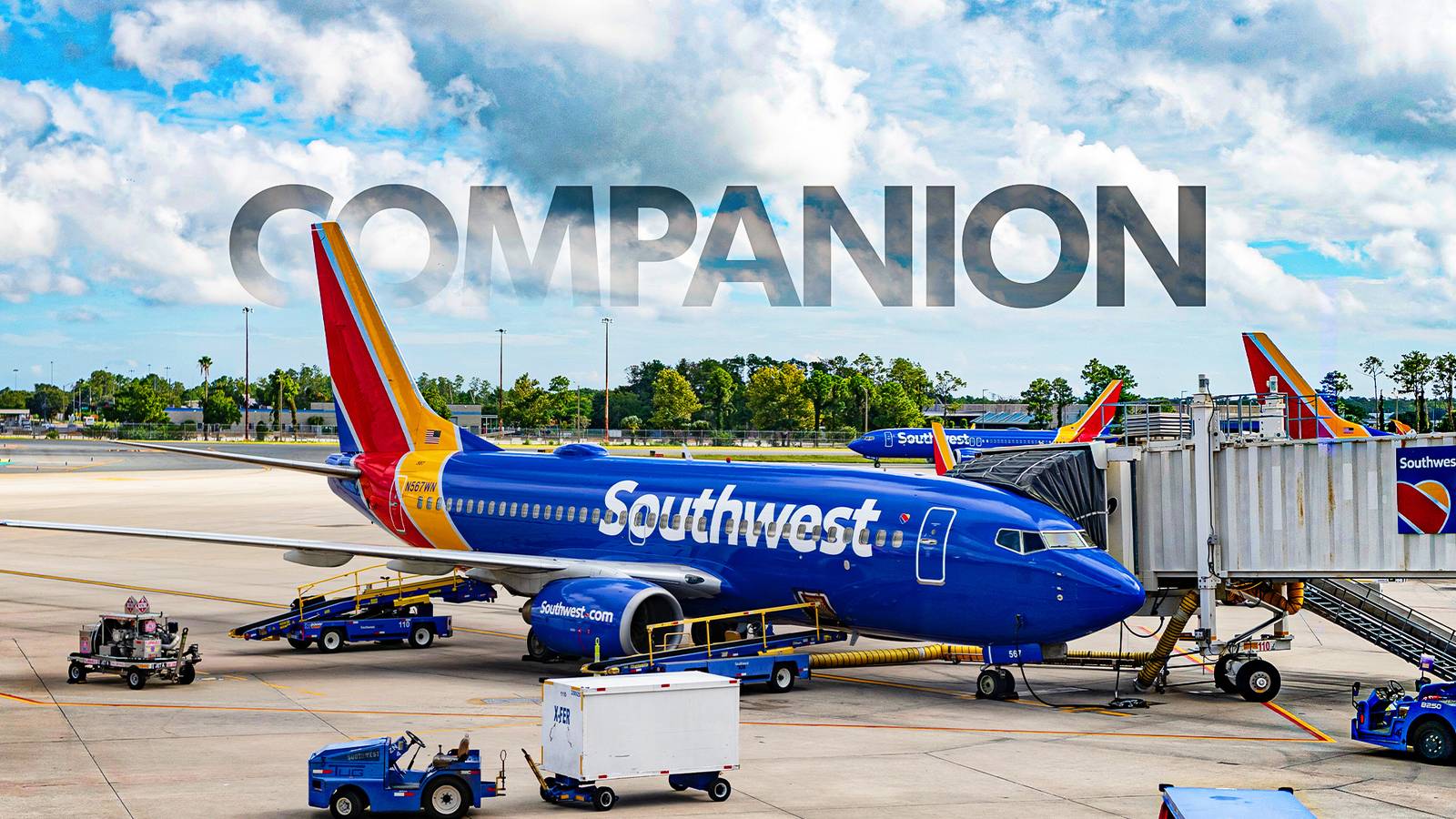
Southwest Airlines' Companion Pass has quietly become significantly harder to earn through flying alone, even though the headline qualification thresholds—135,000 points or 100 one-way flights in a calendar year—have not changed on paper. The mechanism behind this shift is Southwest's revised Rapid Rewards earning structure, which now pays only two points per dollar on Basic fares while Choice, Choice Preferred, and Choice Extra fares earn six, ten, and fourteen points per dollar, respectively. The practical effect is that a traveler relying exclusively on the airline's cheapest fares would need to spend roughly $67,500 in a single year to hit the qualifying threshold, a figure that would have been substantially lower under the airline's previous earning rates. This is a case study in how loyalty programs can be devalued without ever touching the number that gets published in press releases—the goalposts stay in the same place, but the field gets longer for anyone not paying up for premium fares or a co-branded card.
For working pilots and aviation professionals, this matters less as a personal travel-hacking curiosity and more as a signal of where Southwest is positioning itself competitively and financially. Companion Pass has historically been one of Southwest's sharpest differentiators in the leisure and small-business travel market, driving significant customer loyalty and repeat bookings among road warriors, contract pilots commuting to bases, and crews who fly on personal accounts between assignments. As the earning path skews harder for frequent-flying budget travelers and easier for premium-fare purchasers and credit card holders, Southwest is effectively re-segmenting its customer base in a manner that mirrors legacy network carriers. Pilots who commute on Southwest, or who have historically used the airline as a lower-cost option for personal and family travel, will find that the value proposition increasingly depends on fare class discipline and card spend rather than simple flight frequency.
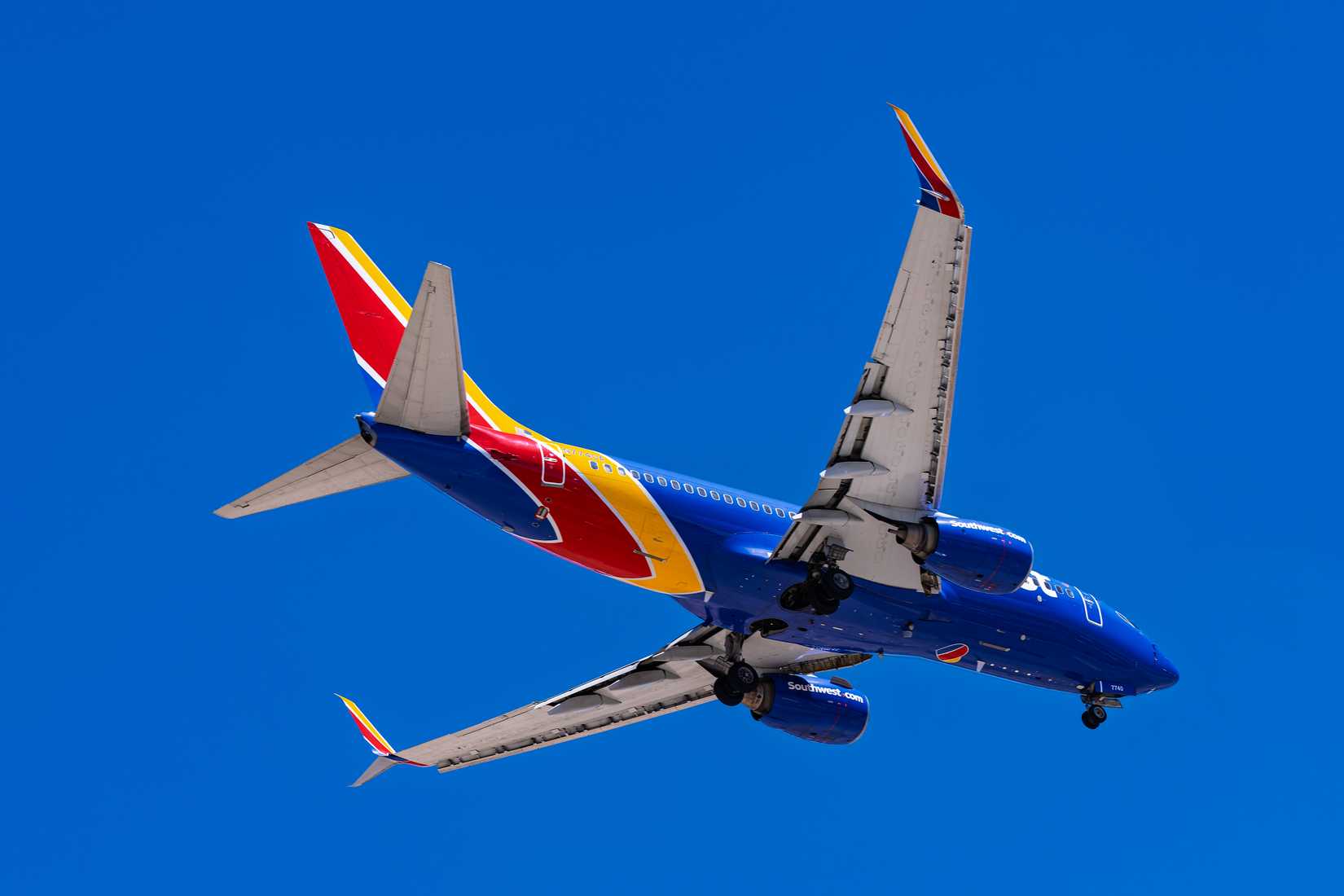
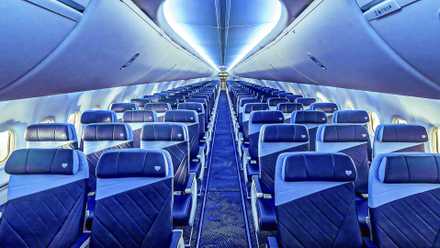
This fare and loyalty restructuring cannot be viewed in isolation—it sits alongside Southwest's broader dismantling of the operational identity that made it unique for five decades. The elimination of the universal Bags Fly Free policy in May 2025 and the rollout of assigned seating in January 2026 represent the end of Southwest's two most iconic customer-facing differentiators. Combined with the Companion Pass recalibration, these moves indicate a carrier deliberately converging toward the fare-bundling, ancillary-revenue, and loyalty-tiering practices long used by American, Delta, and United. For industry observers and airline management professionals, Southwest's pivot is a notable data point in the broader consolidation of U.S. airline business models: even the last major holdout against a la carte pricing and status-driven perks has concluded that segmented revenue extraction and premium-loyalty incentives outperform flat, egalitarian simplicity in today's margin environment.
The broader trend here—rewarding higher-yield fares and credit card spend over raw segment count—reflects an industry-wide shift that touches corporate travel departments, flight departments managing crew and staff travel benefits, and charter or fractional operators watching how legacy and low-cost carriers alike are recalibrating loyalty economics. As airlines lean more heavily on co-branded card partnerships as a profit center (a trend well documented at Delta, United, and American), frequent flyer currencies increasingly function as extensions of consumer banking products rather than pure travel rewards. Flight departments and individual pilots who manage personal or corporate travel arrangements should expect this pattern to continue: qualification thresholds will remain stable and marketable, while the underlying earning mechanics will keep shifting to reward premium fare purchases and financial-product engagement over simple loyalty and flight volume.












 Read original article