Six Military Aircraft With The Highest Service Ceilings In Service Today
Military aircraft service ceilings represent one of the most deliberately obscured categories of performance data in aviation, and the gap between officially published figures and operational reality is substantial. The United States Air Force routinely understates altitude capabilities for classification purposes — the Lockheed U-2's official unclassified ceiling of 70,000 feet is deliberately suppressed to appear as 60,000 feet on flight trackers, while credible reporting places its actual operational altitude above 74,000 feet and potentially as high as 80,000 feet. The F-22 Raptor illustrates the same pattern: its official fact sheet lists the ceiling as merely "above 50,000 feet," while secondary sources and operational accounts — including its 58,000-foot engagement of the Chinese surveillance balloon over the Carolinas in 2023 — suggest routine operations well above that benchmark, with zoom-climb capabilities potentially reaching 70,000 feet under optimal conditions. This deliberate ambiguity is not accidental; it is doctrine.
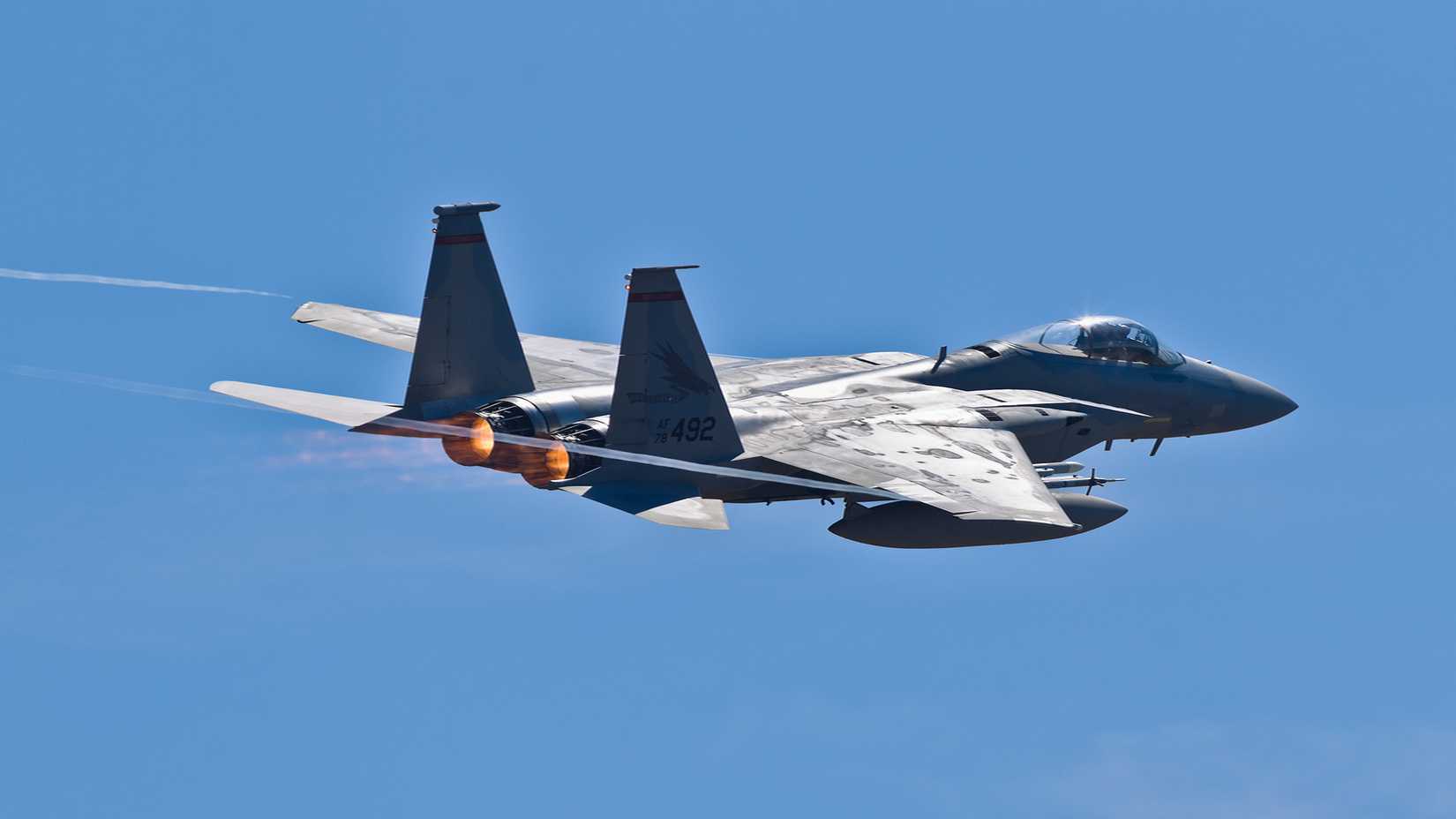
The F-15 Eagle, despite its age, continues to demonstrate competitive high-altitude performance, with the Air Force's own web page citing a 65,000-foot service ceiling — the same general envelope as the more advanced F-22. This is notable because it underscores how incremental the generational gains in pure altitude performance have been since fourth-generation fighters entered service. Western competitors fare similarly: the Eurofighter Typhoon and Dassault Rafale both carry official ceilings around 55,000 feet, with operational reports suggesting 65,000 feet is achievable under light loadout conditions. The Russian Su-57, widely cited at 61,700 to 66,000 feet, reflects the broader pattern of Russian performance figures being difficult to independently verify and frequently inflated for geopolitical messaging — a problem equally present in Chinese military aviation disclosures.
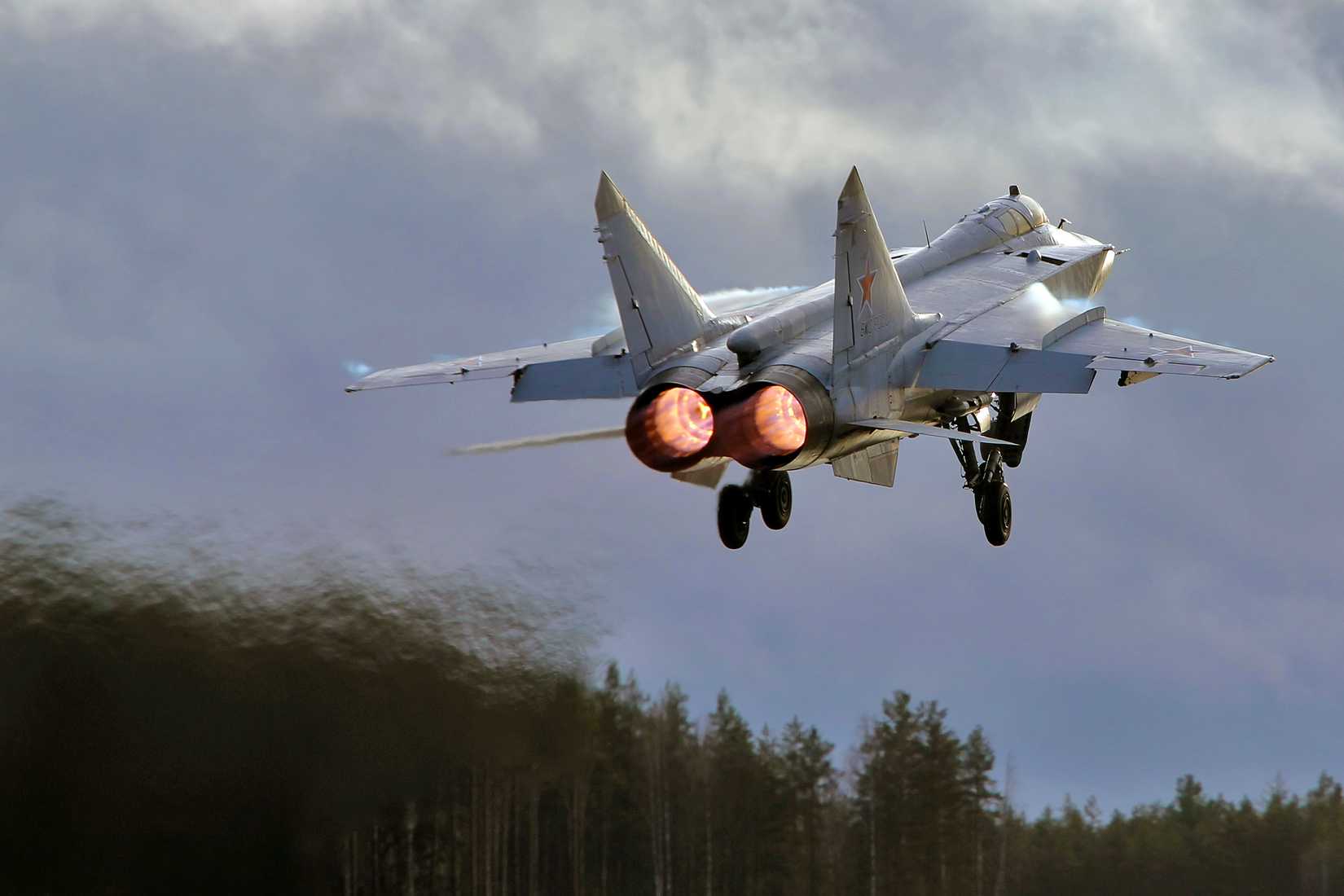
At the high end of the spectrum, the Mikoyan MiG-31 Foxhound represents one of the few platforms where a ceiling figure above 67,000 feet carries reasonable credibility, derived partly from its design heritage as a high-altitude interceptor optimized for supersonic dash. The MiG-25 and MiG-31 lineage was specifically engineered to defeat high-altitude threats, and their performance numbers — while still subject to the propaganda premium endemic to Soviet-era specifications — are more grounded in operational necessity than marketing. Meanwhile, classified platforms including the RQ-170 and the widely rumored RQ-180 likely operate in the 50,000 to 60,000-foot range, while Lockheed Martin's Skunk Works-developed SR-72, if and when it reaches operational status, is estimated to operate above 80,000 to 90,000 feet as a hypersonic successor to the SR-71 Blackbird. The project has gone dark, which in historical context often signals transition from development to fielding.
For professional aviators operating in the upper flight levels — particularly those flying business jets and high-altitude transport aircraft in the FL410 to FL510 range — the practical relevance of these ceilings is primarily airspace and deconfliction awareness. Military operations above FL600 create restricted airspace events that occasionally affect routing in active theater environments, and the altitude advantage conferred on missile systems by high-altitude launch platforms is a factor in airspace management during large-force exercises. The broader trend visible across this data is that the next meaningful leap in service ceiling will come not from incremental aerodynamic refinement but from propulsion — specifically the adaptive-cycle engines being developed for the F-47, which are expected to deliver materially better high-altitude efficiency than current-generation turbofans. That propulsion architecture, if it matures as projected, will likely influence both military and eventually commercial high-altitude platform development in the decades ahead.









 Read original article