Why Qantas Is Doubling Down On The Airbus A380 While Launching The World's Longest Flights
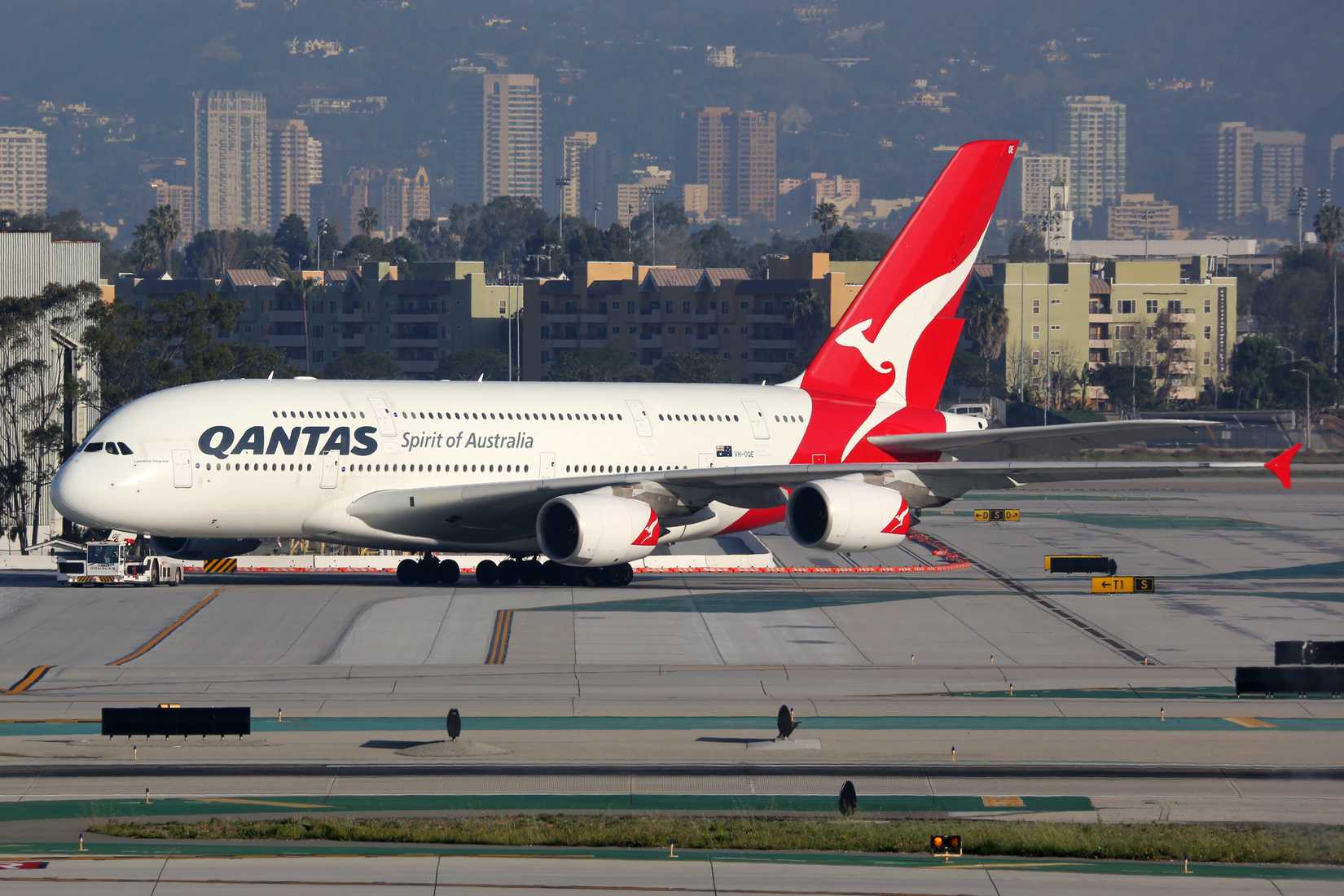
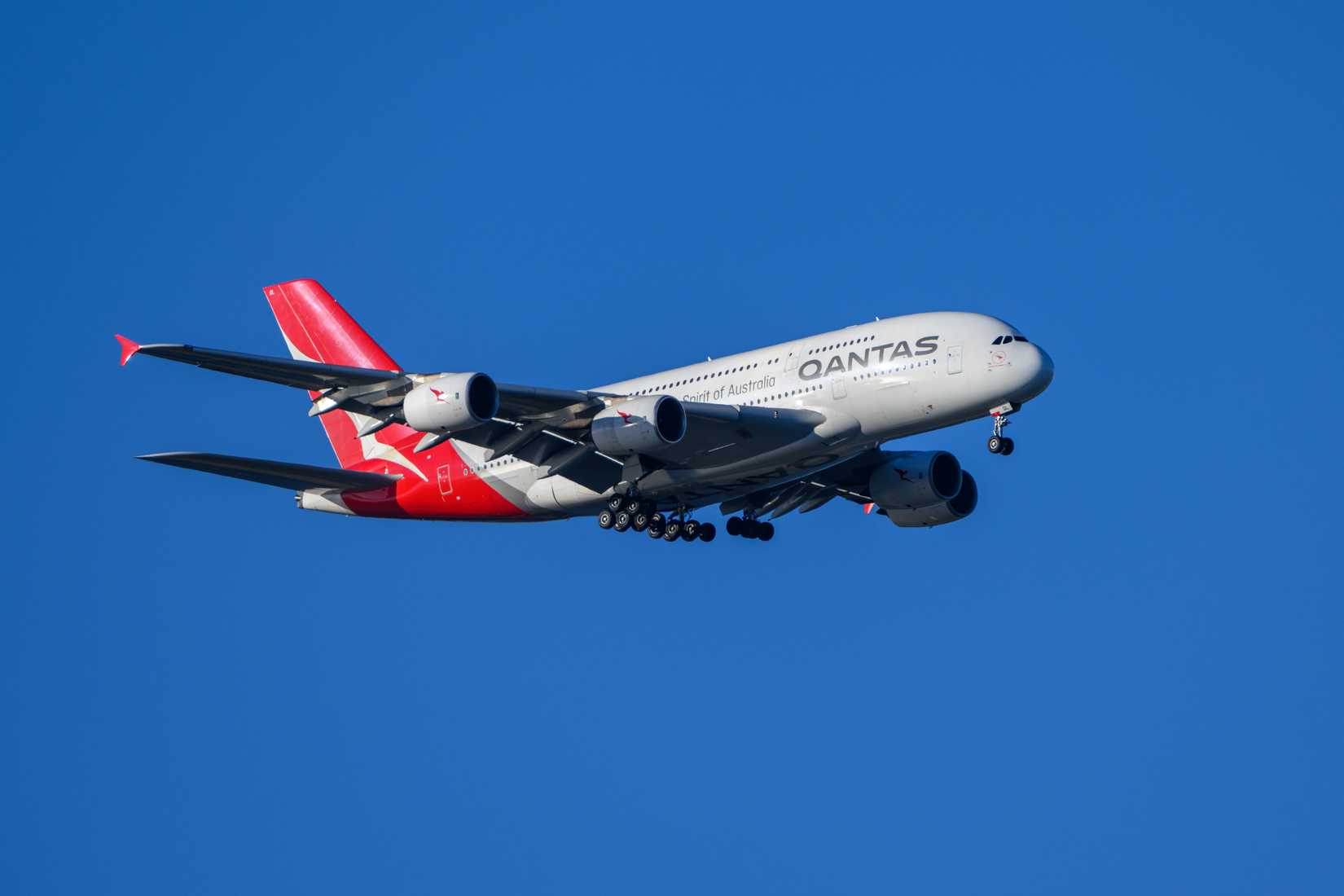
Qantas has reversed course on a fleet type it once publicly regretted, returning all ten of its surviving Airbus A380s to revenue service by December 2025 while simultaneously investing in cabin refurbishments that added new business class seats and refreshed the aircraft's signature onboard lounge. The Australian flag carrier originally ordered the A380 in 2000 as part of a trunk-route strategy built around high-density flying, but a strategic pivot toward ultra-long-haul operations with smaller aircraft — particularly the Boeing 787-9 — led successive leadership to view the superjumbo as an expensive anomaly. When COVID grounded the global fleet, Qantas chose storage over retirement for ten of its twelve examples, absorbing ongoing maintenance costs that signaled residual confidence in the type's commercial utility. The two aircraft that were retired represent one of the smallest pandemic-era fleet reductions among major A380 operators worldwide, underscoring that the decision to preserve the remainder was deliberate rather than merely deferred.
The operational logic behind retaining the A380 is grounded in Qantas's specific network constraints rather than any generalized enthusiasm for large-cabin aircraft. Sydney Kingsford Smith is slot-controlled, as are virtually all of Qantas's primary A380 destinations: Los Angeles, Dallas/Fort Worth, London Heathrow, Johannesburg, and Singapore. In slot-constrained environments, frequency additions are often legally or practically impossible, which eliminates the theoretical cost advantage of operating two 787-9s instead of one A380 — a comparison former CEO Alan Joyce himself made in 2017. When a carrier cannot add a second daily departure, the per-seat economics of a larger aircraft improve materially. Qantas also retired its Boeing 747-400 fleet at the pandemic's onset and never acquired Boeing 777-300ERs, leaving the A380 as the sole high-capacity widebody in a fleet otherwise topped out at A330-300 and 787-9 size. Without the superjumbo, the carrier would face significant capacity compression on its highest-volume international routes.
Qantas's 2023 widebody order — covering both 787-9s and A350-1000s — was structured specifically to replace the A330 family, not the A380, confirming a deliberate sequencing in which the superjumbo outlasts the mid-size twin. The carrier holds purchase rights for eventual A380 successors, but those aircraft are not expected until the 2030s, meaning the A380 will remain on the line for the better part of another decade. In parallel, Qantas is advancing Project Sunrise with A350-1000ULR aircraft for nonstop ultra-long-haul flying from Sydney and Melbourne to London and New York — routes that by definition serve thinner, premium-weighted traffic that an A380 cannot economically serve. The two strategies are thus complementary rather than contradictory: the A380 handles the high-density, slot-restricted trunk routes while the A350-1000ULR opens thinner nonstop corridors where passenger willingness to pay a premium justifies a smaller, purpose-built aircraft.
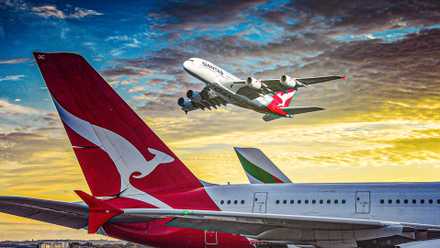
The broader industry pattern reinforced by Qantas's experience is that the A380's commercial case is highly route-specific rather than universally applicable. Airlines such as Lufthansa, Singapore Airlines, and Emirates have all demonstrated that the type performs well where slot constraints or sheer demand volume make large single-departure capacity preferable to multiple smaller flights. For aviation operators and dispatchers planning around widebody availability, the Qantas case illustrates how slot-controlled airport environments fundamentally alter fleet economics — a consideration equally relevant to corporate flight departments evaluating whether to operate a single large-cabin aircraft versus multiple smaller jets on high-frequency routes. The persistence of the A380 across major operators also has practical implications for maintenance providers, type-rated crews, and the MRO supply chain, as the aircraft's service life now extends well beyond what many forecast during the pandemic groundings. Qantas's cabin upgrades further signal that the airline is managing the A380 as a long-cycle asset, not a transitional placeholder, and that type currency on the aircraft represents a stable career consideration for pilots within the carrier's international widebody operations through at least the mid-2030s.












 Read original article