Odys Teams With Singapore's ST Engineering On Hybrid EVTOL Cargo Drone
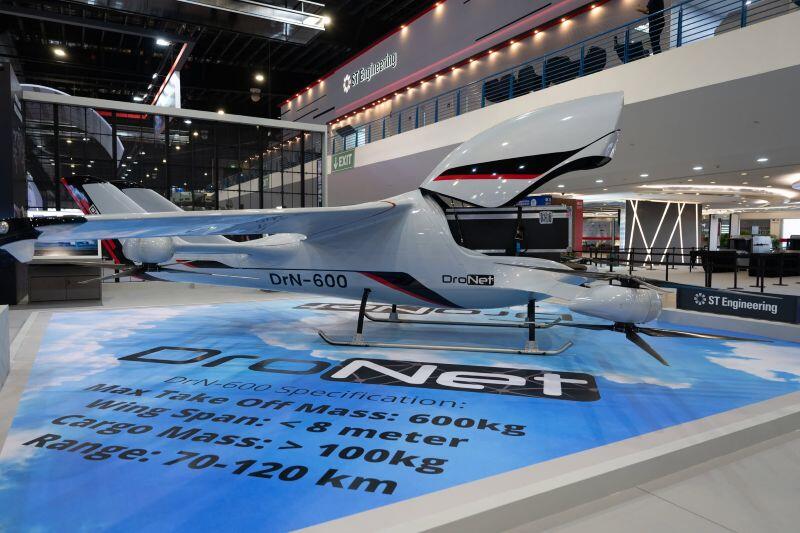
Odys Aviation has entered into a memorandum of understanding with Singapore's ST Engineering to co-develop a hybrid-electric propulsion system for the DrN-600, a medium-lift uncrewed cargo aircraft that ST Engineering unveiled at the Singapore Airshow this past February. The DrN-600 traces its lineage to AIR's eVTOL uncrewed cargo aircraft design, an Israeli-originated platform now being adapted and scaled by ST Engineering for regional cargo missions. Odys, a U.S.-based startup focused on hybrid-electric powertrain architectures for vertical-lift aircraft, brings its propulsion integration expertise to a program that pairs battery-electric VTOL capability with combustion-based range extension—a configuration increasingly seen as the pragmatic bridge technology for cargo drones that need both vertical operating flexibility and useful payload-range performance beyond what pure battery-electric systems can currently deliver.
For working pilots and aviation operators, this partnership is another data point in the steady militarization and commercialization of uncrewed logistics aircraft in the medium-lift category—platforms designed to move several hundred kilograms to a few tons of cargo without a pilot aboard. While these aircraft don't directly displace crewed cockpits today, they represent the leading edge of a broader shift in how regional and last-mile cargo will be moved over the next decade, particularly in geographically fragmented markets like Southeast Asia where ST Engineering is headquartered. Operators running feeder cargo networks, humanitarian logistics, or remote resupply missions should watch this space closely, since successful hybrid eVTOL cargo drones could eventually compete for the same short-haul freight segments currently served by turboprop and light twin operators. The choice of hybrid-electric over pure electric propulsion is also notable: it signals continued industry acknowledgment that battery energy density remains insufficient for practical VTOL cargo missions with meaningful range, reinforcing that all-electric urban air mobility timelines for larger payloads remain further out than some optimistic projections suggested a few years ago.
This deal also reflects the broader trend of eVTOL and advanced air mobility companies pivoting toward cargo and defense-adjacent applications as a nearer-term revenue path, given the slower-than-expected certification progress for passenger-carrying eVTOL air taxis. Uncrewed cargo variants face a lighter regulatory burden than passenger aircraft, allowing companies like ST Engineering and partners such as Odys to move faster toward commercial deployment while passenger eVTOL certification continues to work through FAA, EASA, and other regulators' evolving frameworks. Singapore's aggressive positioning as an advanced air mobility hub—hosting the airshow unveiling and now this propulsion partnership—also signals that Asia-Pacific governments and industrial primes are moving to capture a share of the emerging uncrewed logistics market rather than ceding it entirely to U.S. and European developers.
Finally, this MOU is illustrative of an increasingly common industry pattern: established aerospace and defense primes like ST Engineering partnering with nimble propulsion-focused startups rather than developing hybrid-electric systems entirely in-house. This mirrors similar tie-ups across the eVTOL and advanced air mobility sector, where startups with specialized powertrain IP find channel partners in larger manufacturers who bring systems integration, manufacturing scale, and customer relationships. For business aviation and commercial operators tracking the eVTOL/AAM space as a potential future disruptor or complement to existing operations, these cargo-focused partnerships are worth monitoring as leading indicators of which hybrid-electric propulsion architectures are gaining traction before similar technology potentially migrates toward crewed or passenger-carrying variants.







 Read original article