Jet Aviation Launches New FBO At Miami-Opa Locka
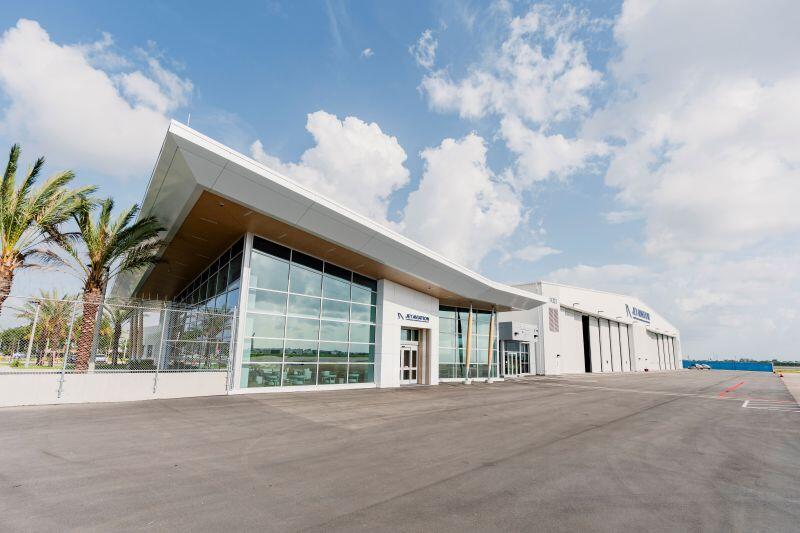
Jet Aviation's opening of its new FBO at Miami-Opa Locka Executive Airport marks the company's 12th U.S. location and represents a significant capital commitment to the South Florida business aviation market. The 27-acre facility, formally inaugurated on July 23, includes an 8,500 sq. ft. terminal, 40,000 sq. ft. of hangar space, 540,000 sq. ft. of ramp space, and two taxiway connections that provide flexible access to Opa Locka's runway system. This is a ground-up buildout rather than a renovation or acquisition, signaling that Jet Aviation and parent company General Dynamics/Gulfstream see durable long-term demand in the Miami metro area sufficient to justify new construction rather than simply expanding an existing footprint.
For operators and flight departments, the addition matters because South Florida remains one of the busiest and most capacity-constrained business aviation corridors in the country. Miami-Opa Locka has increasingly served as a relief valve for traffic that would otherwise concentrate at Miami-Opa Locka's higher-profile neighbors such as Fort Lauderdale Executive, Miami Executive (Kendall-Tamiami), and Palm Beach International. Ramp congestion, hangar scarcity, and slot/parking constraints have been persistent pain points for Part 91, 91K fractional, and Part 135 charter operators flying into the region, particularly during peak winter season and major events. A new, large-capacity FBO with substantial ramp and hangar space gives flight planners and dispatchers another viable option for crew and passenger handling, fuel, and aircraft parking, potentially easing scheduling pressure during high-demand periods like Art Basel, the Miami Grand Prix, or the winter snowbird season.
The move also reflects a broader trend among major FBO networks — Jet Aviation, Signature Aviation, Atlantic Aviation, and others — of aggressively expanding physical infrastructure in high-growth Sun Belt markets to capture rising business jet traffic. Florida in particular has seen sustained growth in based aircraft and transient business jet movements over the past several years, driven by corporate relocations, wealth migration, and the state's status as a hub for both leisure and corporate travel. Jet Aviation's investment in a new-build facility, complete with sizable hangar capacity, also speaks to demand for maintenance and storage services, not just transient fueling and passenger handling, which is increasingly important as operators seek dedicated space for larger long-range business jets that require weather protection and secure overnight parking.
From a competitive and strategic standpoint, this opening reinforces Jet Aviation's push to round out its North American network and better compete with rivals for high-value corporate and charter customers in a market where service quality and facility capacity directly affect operational reliability. For pilots and dispatchers, the practical takeaway is straightforward: Opa Locka now offers materially expanded ramp and hangar capacity under a globally recognized FBO brand, which should be factored into trip planning for South Florida operations, especially when primary Fort Lauderdale or Miami-area facilities are at capacity or during high-traffic periods when advance handling arrangements are critical to avoiding delays.









 Read original article