The Real Reason Why Boeing Is Building The F-47 Stealth Fighter And Not Lockheed
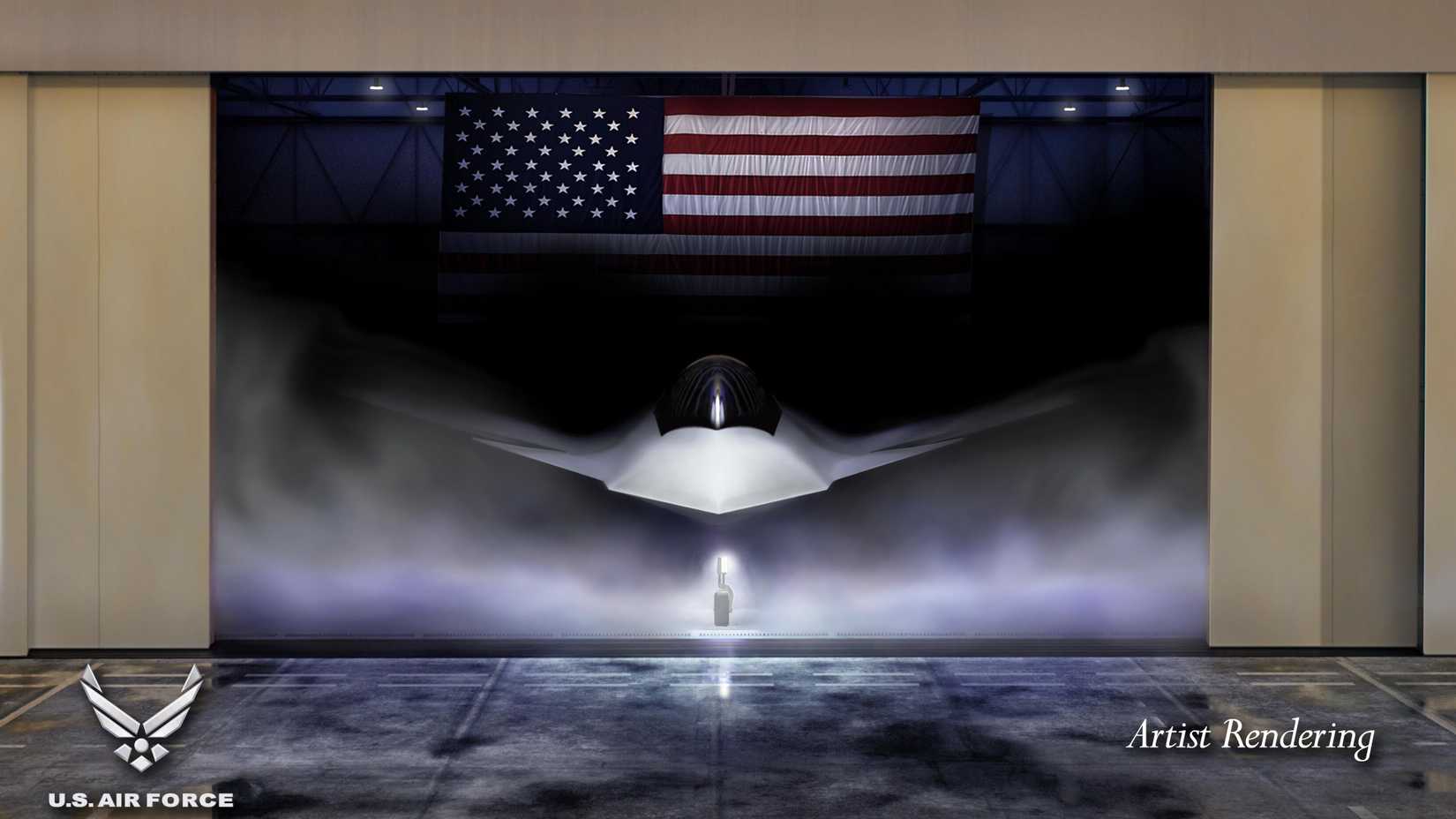
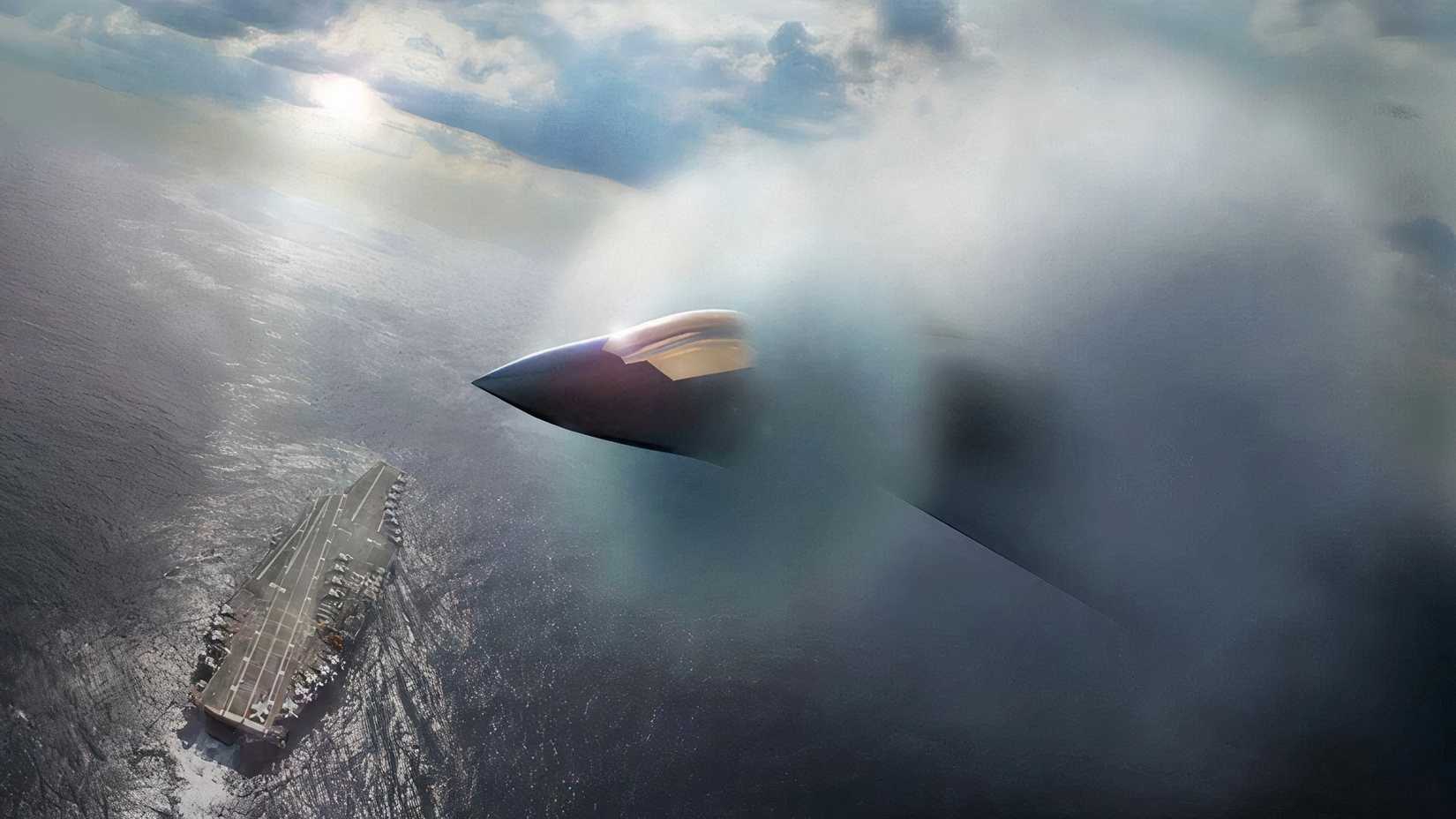
Boeing's selection over Lockheed Martin to build the F-47, the crewed centerpiece of the Air Force's Next Generation Air Dominance (NGAD) program, represents the most significant shift in American fighter production in a generation. Announced in March 2025, the decision ended Lockheed's roughly 25-year run as the sole builder of US stealth fighters, a streak that produced the F-22 Raptor and F-35 Lightning II. Boeing's win was driven less by a single superior design element than by digital engineering maturity: the company presented a fully realized "digital twin" of the aircraft, letting the Air Force evaluate radar signature, maintainability, and manufacturability well before a prototype ever flew. That reduced-risk pathway, combined with years of DARPA-funded X-plane testing on adaptive engines and AI-driven flight controls, gave Boeing a credibility edge that outweighed Lockheed's more experimental proposal. For pilots and operators tracking the trajectory of US airpower, this is a structural inflection point, not just a contract headline.
The industrial logic behind the award matters as much as the technical case. Pentagon planners and congressional oversight bodies have long flagged the risk of concentrating fighter production in a single contractor, and with Lockheed simultaneously building the F-22 and F-35, that concentration had become acute. Splitting NGAD work to Boeing diversifies the supplier base, protects against single-point production or supply-chain failures, and revives a second full-spectrum stealth fighter house in the US defense industrial ecosystem. This matters for military aviators and program planners because fleet readiness, sustainment pipelines, and future upgrade cycles are directly tied to how many companies retain the engineering talent and tooling to design combat aircraft from scratch. Lockheed's swift pivot toward F-35 upgrades pitched as delivering "80% of F-47 capability at half the cost" signals a bifurcated future fighter market: Boeing anchoring next-generation crewed-uncrewed teaming, Lockheed doubling down on scaled, cost-efficient upgrades and exports. Both paths will shape flight training syllabi, maintenance career pipelines, and squadron composition for decades.
For working pilots, especially those with military backgrounds or aspirations toward test and evaluation roles, the F-47 program signals where the demand for advanced airmanship is heading: manned-unmanned teaming. The F-47 is designed as a "quarterback," directing multiple autonomous Collaborative Combat Aircraft (CCA) wingmen carrying sensors, weapons, or electronic warfare payloads. This crewed-uncrewed integration model, already being explored in CCA flight test programs, will demand new cockpit resource management skills, new certification pathways, and new human-machine teaming doctrine that stands to influence broader aviation automation trends, including how commercial and business aviation approach single-pilot operations and AI-assisted flight decision-making. The emphasis on sensor fusion across domains and adaptive stealth also foreshadows technologies that historically migrate, in diluted form, into business jet avionics and commercial flight deck systems over subsequent decades.
Beyond the military sphere, the award carries real significance for Boeing's corporate trajectory and, by extension, the broader aerospace supply chain that commercial and business aviation operators depend on. Boeing's defense unit has struggled with cost overruns on the KC-46 tanker and reputational damage from the 737 MAX crisis; the F-47 contract, backed by nearly $3.5 billion in FY2026 development funding, gives the company a flagship program to stabilize its St. Louis fighter operations, retain engineering talent, and rebuild institutional credibility. A financially and technically healthier Boeing defense arm indirectly benefits the commercial side by supporting shared supply chains, composite manufacturing expertise, and engineering workforce pipelines that both divisions draw upon. Meanwhile, the geopolitical urgency cited in the program, countering China's J-20B/J-35 and Russia's Su-57M/Su-75 developments, underscores that air superiority investment is accelerating globally, a trend operators across commercial, business, and general aviation should watch given its downstream effects on airspace access, defense-driven airport infrastructure investment, and the broader competition for skilled aerospace talent.












 Read original article