Jet Aviation Launches Full Operations at Miami-Opa Locka | Corporate Jet Investor | CJI news
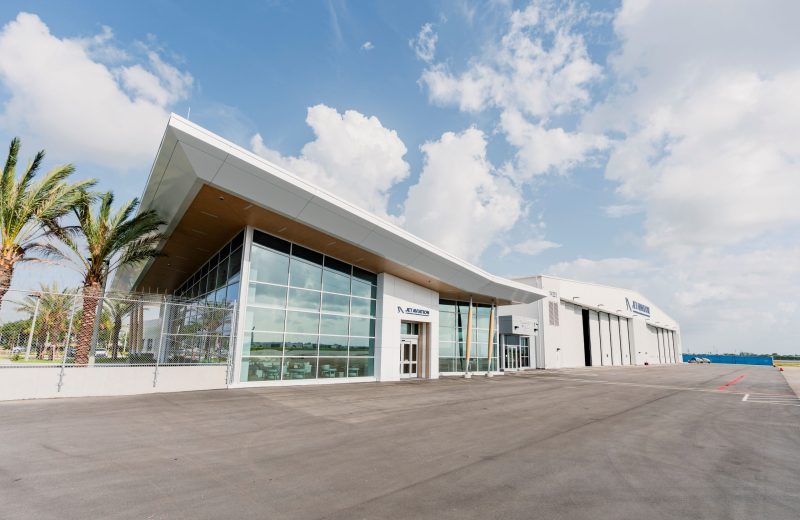
Jet Aviation's newly completed FBO at Miami-Opa Locka Executive Airport (OPF) represents a significant expansion of the General Dynamics-owned network into one of the busiest business aviation gateways in the Americas. The 27-acre site now features an 8,500-square-foot terminal, 40,000 square feet of hangarage with 30-foot doors, and a 540,000-square-foot ramp capable of handling ultra-long-range, large-cabin business jets. The facility transitioned from a temporary terminal launched in November 2025 to full operations with permanent infrastructure, though on-site U.S. Customs and Border Protection service won't come online until Q3 2026 — a detail operators flying international trips through South Florida will need to track closely in the interim, as CBP availability often dictates routing decisions for crews arriving from Latin America, the Caribbean, or transatlantic sectors.
For working pilots and flight departments, the opening adds meaningful capacity and choice at a notoriously congested South Florida ramp environment. Opa-Locka has increasingly absorbed business aviation traffic diverted from Miami-area airports and Fort Lauderdale Executive, and a major-brand FBO with dual taxiway access, drive-on ramp entry, and full fuel services (Jet-A, 100LL, and SAF) gives crews a predictable, high-standard option with the operational depth — de-icing-equivalent ramp space, large hangar doors, customs eventually on-site — needed for ultra-long-range aircraft like Global 7500s or Gulfstream G650ERs transiting between North and South America. The 540,000-square-foot ramp specifically signals Jet Aviation's intent to compete for the heavy transient and based-aircraft traffic that has strained other Miami-area facilities during peak winter season and major events.
This move fits into a broader pattern of FBO network consolidation and premiumization playing out across the industry, as major chains — Jet Aviation, Signature, ATLANTIC, Clay Lacy — race to lock up strategic gateway airports ahead of anticipated fleet growth in large-cabin and ultra-long-range segments. Jet Aviation's parallel announcement of a long-term lease at Rocky Mountain Metropolitan Airport (breaking ground in 2027, opening 2028) underscores a deliberate strategy of pairing high-traffic international gateways like Miami with growing domestic markets like Denver's business aviation corridor. With this opening, Jet Aviation now operates 12 FBOs in the US within a roughly 30-location global network, reinforcing its position as one of the few truly global FBO brands able to offer consistent service standards, loyalty benefits, and scheduling predictability across intercontinental itineraries.
The emphasis on LEED-standard construction, solar power, EV charging, and sustainable building methods also reflects an industry-wide shift in FBO development priorities, as corporate flight departments and fractional operators increasingly factor sustainability credentials into vendor selection, alongside more traditional metrics like ramp space, fuel quality, and turn times. For flight planners and schedulers, Opa-Locka's addition to the network — combined with SAF availability from day one — gives another data point in the growing list of Part 91 and 135 destinations where sustainable fuel sourcing is becoming standard rather than exceptional, a trend likely to accelerate as more OEMs and operators commit to SAF-blend usage on international legs through South Florida.