The 1960s Design Decision That Still Limits How Wide Every Boeing 737 Economy Seat Can Be
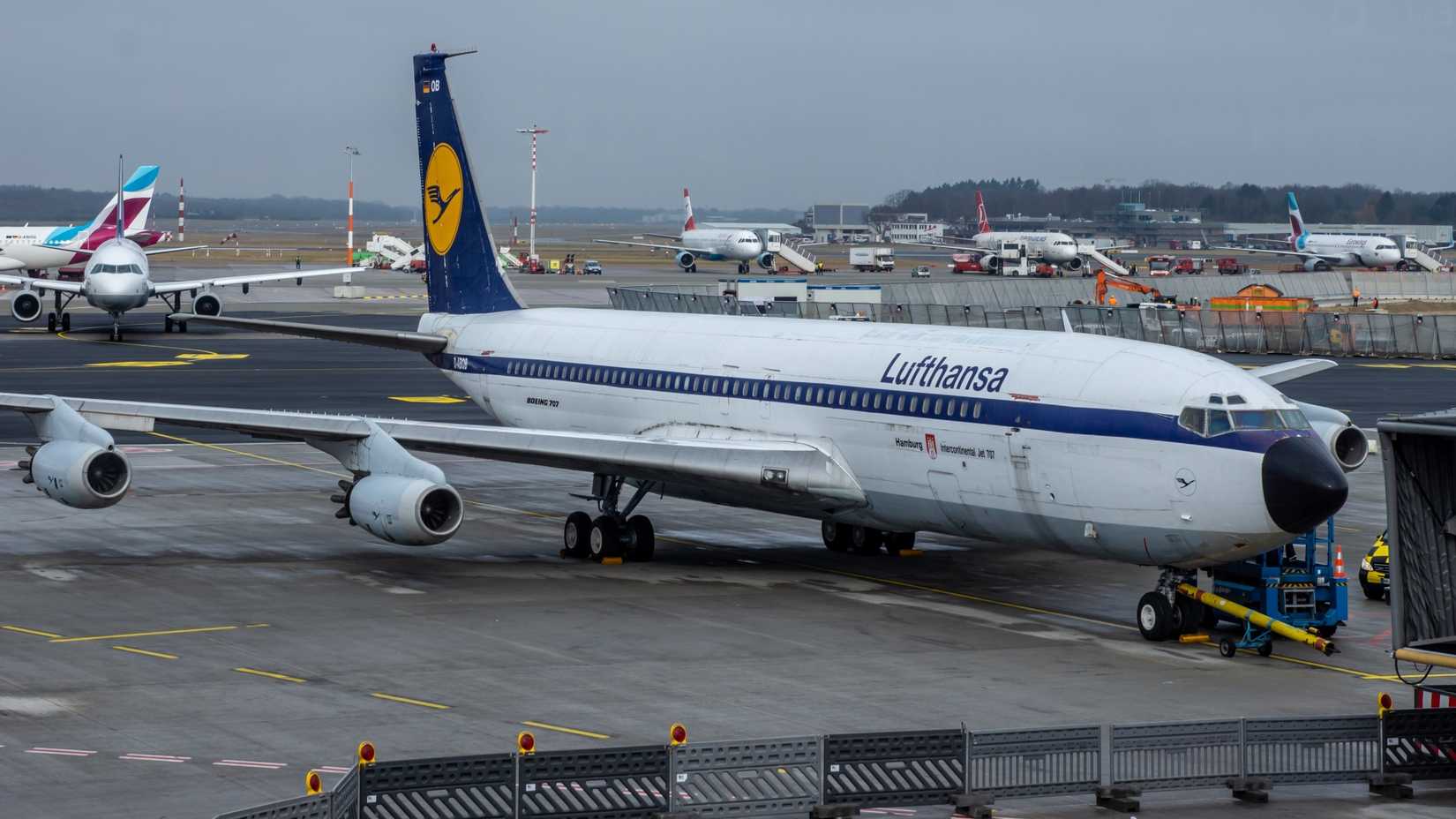
The narrow-body seat-width disparity between the Boeing 737 and Airbus A320 traces back to a design decision made nearly six decades ago, and it remains one of the more persistent examples of how legacy engineering choices continue to shape modern commercial aviation economics. The 737's fuselage cross-section, largely inherited from the 707 and 727 to save development time and cost in the 1960s, caps economy seat width at roughly 17 inches across most variants, compared to about 18 inches on the A320 family. This one-inch difference, while seemingly trivial, has become a durable competitive talking point between Boeing and Airbus, and it illustrates how a single architectural decision from the jet age's early years can still constrain product development on an aircraft family that remains in active production and will likely fly for decades more.
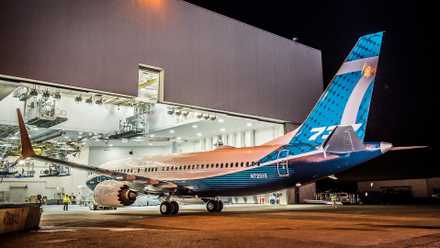
For working pilots, this history is more than trivia. Cabin cross-section dictates far more than passenger comfort: it affects overhead bin volume, aisle width, boarding and deplaning times, cargo hold configuration, and even how airlines manage weight and balance with different seating densities. Flight crews who transition between the 737 and A320 families often notice these cabin differences firsthand, and dispatchers and load planners work within the constraints those fuselage widths impose on every variant, from the -700/A319 up through the MAX 10/A321XLR. The fact that the 737's Section 41 nose structure and upper-lobe fuselage geometry were carried over from the 707 through the 727 and into the 737 - and remain fundamentally unchanged in today's MAX - underscores how much of the airplane's basic architecture predates modern ergonomic and passenger-experience standards. Pilots operating the MAX are, in a structural sense, flying a cabin shell whose core dimensions were frozen before wide-body aircraft, CFRP composites, or fly-by-wire systems existed.
The broader industry context matters as well. As the article notes, seat width across the fleet has never been static; it has been driven repeatedly by revenue pressure rather than passenger comfort. Wide-bodies like the 747, DC-10, and L-1011 were all originally designed with more generous per-row seating, only to be densified from nine-abreast to ten-abreast (747) or eight-abreast to nine-abreast (DC-10/L-1011) after deregulation intensified cost competition. The A300, A310, and 767 stand out as rare aircraft that largely kept their original, wider configurations. This history shows that seat width is less a fixed engineering constant than a variable airlines and manufacturers have repeatedly renegotiated in response to market economics, and it foreshadows how future aircraft designs, including any eventual 737 replacement, will need to weigh manufacturing continuity against evolving passenger expectations for comfort on increasingly long single-aisle routes.
This dynamic is increasingly relevant as both 737 MAX and A320neo-family aircraft are pushed onto longer transatlantic and transcontinental sectors that were never envisioned for narrow-body service in the 1960s. Operators flying MAX 8s and MAX 10s on five- and six-hour missions are effectively asking a 1968-era fuselage cross-section to deliver a comfort experience approaching that of a wide-body, a gap that becomes more conspicuous as stage lengths grow. For airline planners, this reinforces why the A320 family has held a marketing edge on cabin comfort messaging despite nearly identical operating economics to the 737. For manufacturers, it is a reminder that any next-generation narrow-body program will need to revisit fuselage architecture fundamentally rather than inherit legacy tooling, an expensive proposition that helps explain Boeing's reluctance to launch a clean-sheet 737 replacement even as the MAX approaches its second decade in service. For pilots and operators alike, understanding this seat-width history offers useful context for passenger complaints, cabin configuration decisions, and the competitive narrative that continues to shape narrow-body procurement across the industry.








 Read original article