The Airbus A350's Days As The World's Widest Twinjet Are Numbered
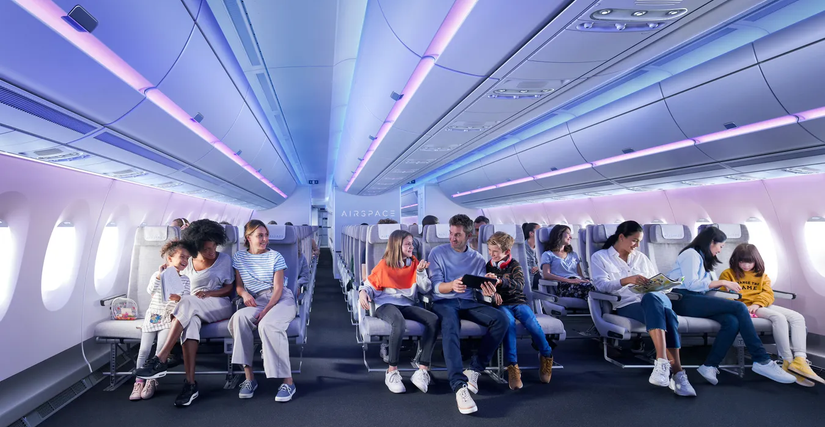
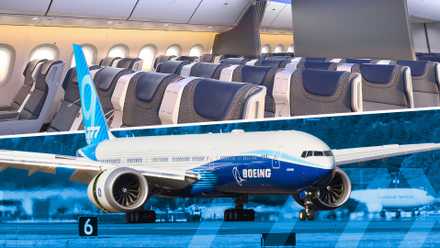
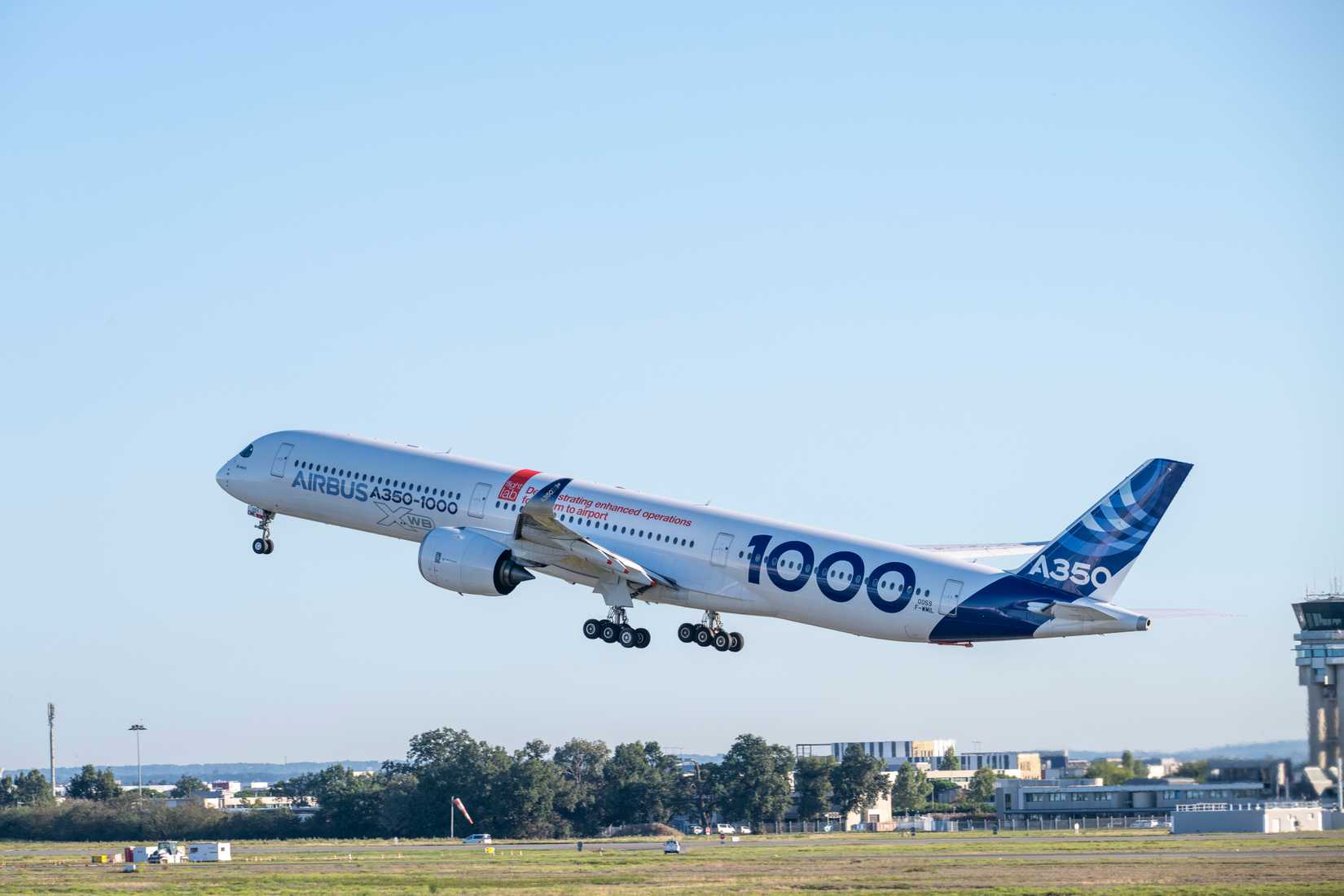
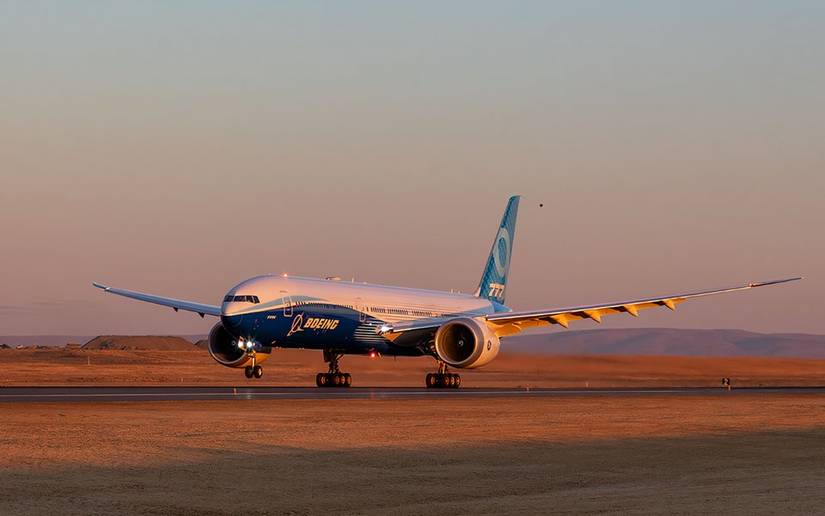
Boeing's forthcoming 777X program is set to unseat the Airbus A350 as the widest single-deck twinjet cabin in commercial service, marking a notable shift in the widebody competitive landscape as the aircraft nears certification. According to figures cited from Runway Girl Network and Aircraft Interiors International, the 777X will offer approximately 5.97 meters (19.6 feet) of internal cabin width, compared to the A350's roughly 5.61 meters (18.4 feet). Boeing achieves this not through a wider exterior fuselage—the 777X largely retains the external cross-section of the 777 family—but through sculpted sidewalls, thinner insulation, and revised interior framing that reclaim usable interior space. This is a purely internal-architecture gain rather than a structural redesign, underscoring how much of the modern widebody "comfort race" is now fought in the margins of interior engineering rather than in fuselage diameter.
For pilots, this development is largely operationally invisible but professionally relevant in the way any major fleet-defining product decision is relevant. Cabin width changes do not affect flight characteristics, but they do influence which aircraft airlines select for long-haul route networks, which in turn shapes fleet composition, training pipelines, and career trajectories for pilots flying widebody equipment. As airlines like Emirates, Qatar Airways, Singapore Airlines, and others finalize 777X orders, type-rating demand and route assignments will follow. Pilots transitioning between the 777 family and 777X should also note that while the flight deck and systems retain strong commonality with the -300ER/-200LR (a deliberate design choice to ease type-rating transitions and reduce airline training costs), the cabin changes reflect Boeing's broader strategy of maximizing common-type efficiency while still differentiating the passenger product—an important distinction between flight-deck commonality and cabin-experience differentiation that pilots moving between variants should understand when briefing crews or fielding passenger/cabin-crew questions.
More broadly, this cabin-width competition reflects the intensifying rivalry between Boeing and Airbus in the large twin-engine widebody segment, a market Airbus has dominated in recent years given the 777X's repeated certification delays (the program has slipped multiple years past its original 2020 entry-into-service target, with current expectations pointing toward 2026 first deliveries). The A350's early and sustained success—including its composite structure, fuel efficiency, and cabin comfort—forced Boeing to respond aggressively with the 777X's General Electric GE9X engines, folding wingtips, and now this cabin-width push. For operators and pilots alike, the outcome of this competition will shape ultra-long-haul route economics for the next two decades, influencing everything from crew rest requirements on extended-range missions to the composition of long-haul fleets at major carriers. As both manufacturers court airlines with incremental gains in efficiency and passenger experience, pilots should expect continued evolution in widebody cabin configurations—including higher-density ten-abreast economy layouts on both aircraft—which will factor into weight-and-balance considerations, boarding/deplaning times, and turnaround planning even though the core piloting task remains unchanged.
Finally, this story is a reminder that manufacturer marketing claims around "cabin width" and "passenger comfort" deserve scrutiny from an operational perspective. Extra internal width can just as easily be converted into higher-density seating (more revenue per flight) as it can into genuine passenger comfort gains, and airlines will make that tradeoff independently of Boeing's engineering achievement. Pilots and flight operations professionals tracking fleet planning trends should watch how launch customers configure their 777X cabins in the first year of service, as that will signal whether the widened cabin translates into meaningfully different passenger experience or simply enables denser seating—an outcome with downstream implications for boarding times, cabin crew staffing ratios, and turnaround efficiency at the gate.








 Read original article