NTSB: Controller Forgot He'd Cleared American 737 For Takeoff In June Boston Near-Miss
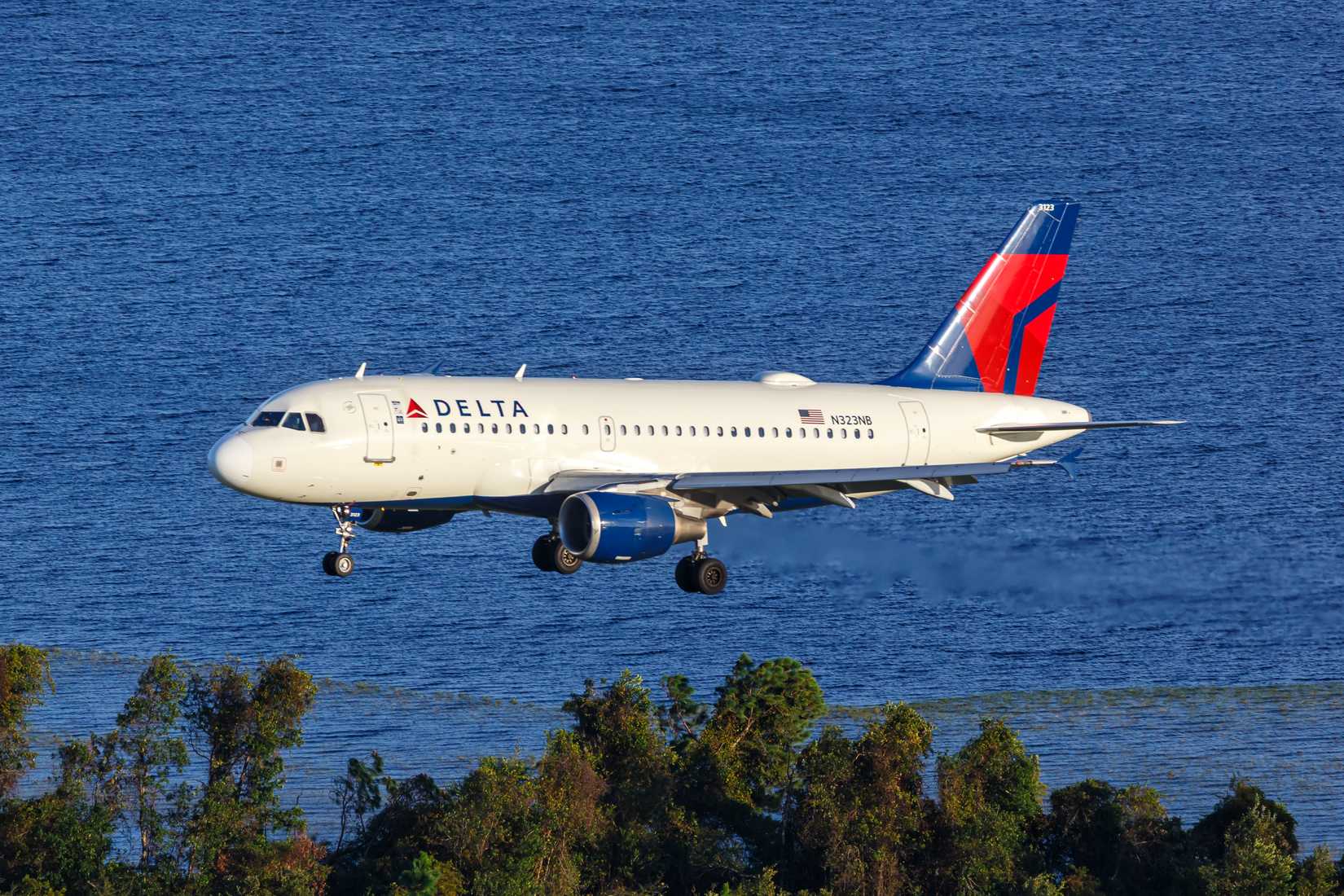
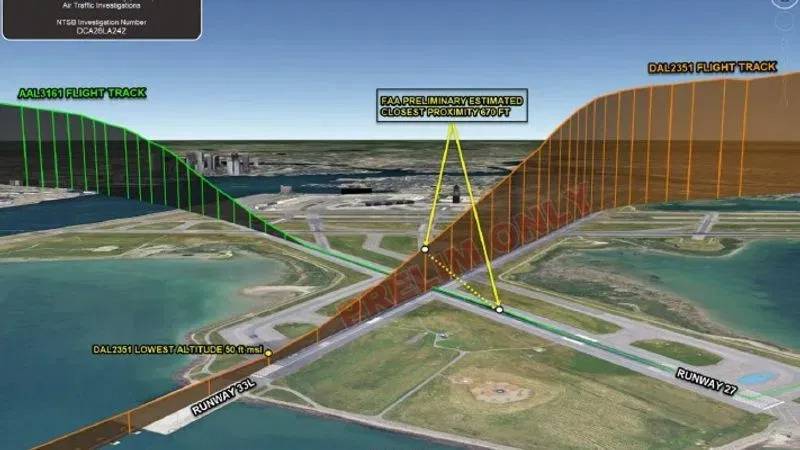
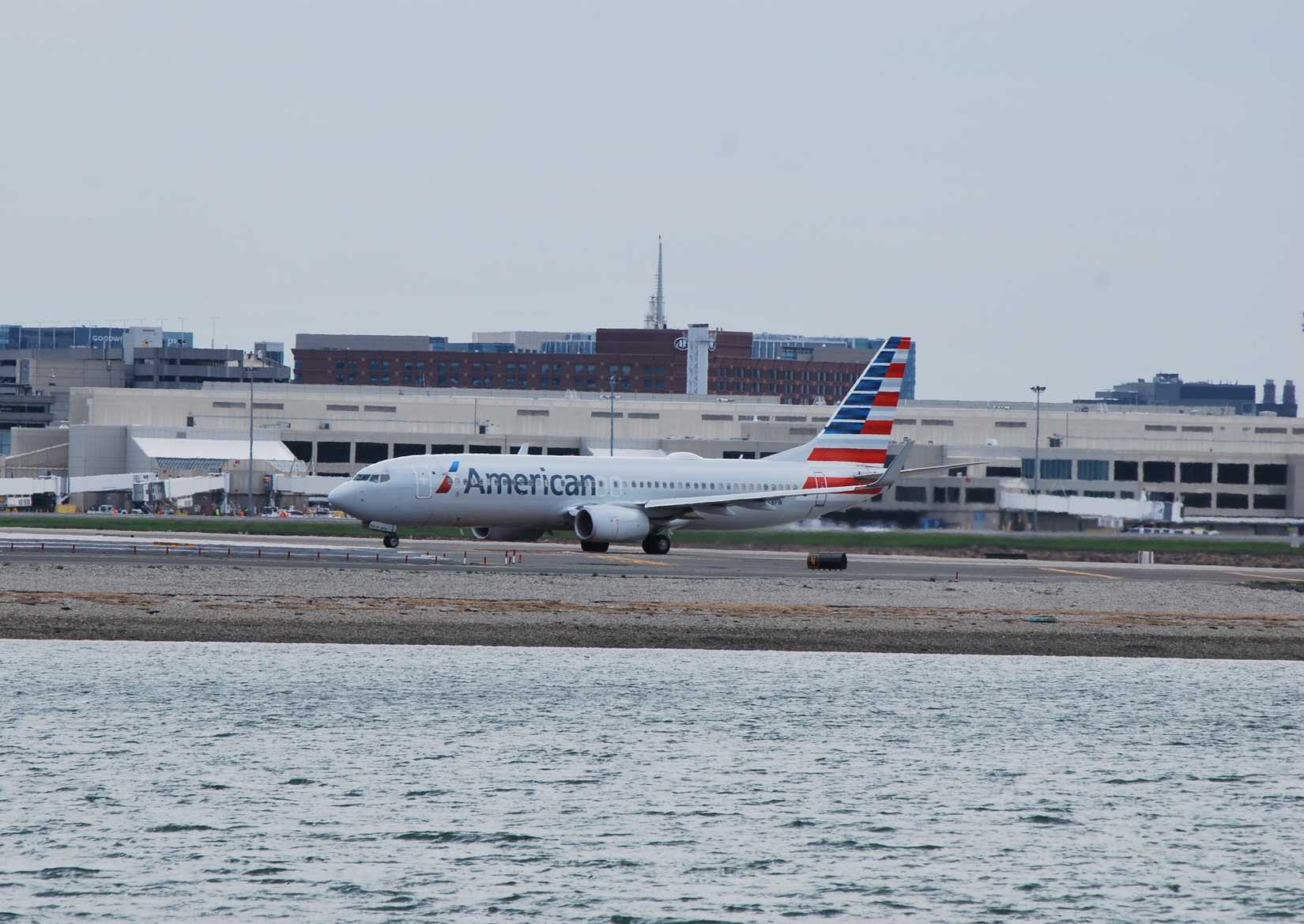
The NTSB's preliminary report on the June 20 Boston Logan runway incursion lays out a textbook chain-of-error scenario that nearly resulted in a catastrophic collision between two widebody passenger jets. American Airlines Flight 3161, a 737-800 bound for Charlotte, was cleared for takeoff on Runway 27 at 11:33:43 AM while Delta Flight 2351, an A319 arriving from DFW, was on final to the intersecting Runway 33L. The American crew initially aborted their roll due to a false cockpit warning, then resumed—apparently without the controller registering that a pause had occurred at all. Critically, the controller's attention had already shifted to sequencing an arriving Tradewind Air flight and issuing concurrent taxi instructions, meaning the mental model of "American is rolling" was formed once and never updated when the takeoff was briefly halted and restarted. The result was two airliners converging to within 670 feet of each other at an active runway intersection, averted only because the Delta crew visually caught the American jet accelerating across their approach path and executed a go-around on their own initiative.
For working pilots, this event reinforces a lesson that flight departments and check airmen have been hammering since the surge of 2023-2024 runway incursions: clearance to land or a stabilized approach does not guarantee a clear runway, and visual verification during the final segments of approach remains a non-negotiable defense layer, particularly at airports with intersecting or crossing runway configurations like Logan's 33L/27. The Delta crew's decision to go around was not prompted by any ATC call—the controller only became aware of the conflict after the Delta crew announced their intentions. That sequencing matters operationally: it means the last line of defense in this incident was purely flight-deck vigilance, not the ATC system's own conflict-alert tools or the controller's scan. Crews operating into airports with intersecting-runway operations, especially during moderate-traffic "in-between" periods when controllers may be task-saturated with simultaneous taxi and sequencing calls despite feeling like workload is only moderate, should treat this as a reminder that self-generated go-around triggers—anything visually inconsistent with a cleared, protected runway environment—need to be briefed and expected, not treated as an edge case.
From the controller side, the NTSB's interview findings are notable for what they ruled out: no distractions, no equipment anomalies, no elevated traffic complexity. The failure was a pure situational-awareness lapse compounded by an aircraft's non-standard response (pause-then-resume) to a clearance that the controller assumed would be continuously executed. This is a known human-factors trap in ATC—working from an outdated mental model of aircraft state rather than continuously re-verifying position and intent—and it echoes similar findings in prior FAA and NTSB reviews of near-miss events at Austin, San Diego, and Reagan National over the past two years. The NAO and FAA have both flagged controller staffing shortages and fatigue as background contributors to the broader spike in incursions nationally, even though this specific incident's interviews found no overt sign of controller impairment or overload in the tower cab that day.
More broadly, this incident lands amid sustained scrutiny of the US air traffic control system's resilience, following a string of high-profile near-misses and the January 2025 DCA midair collision that reset national attention on runway and airspace safety margins. Operators and pilot unions have used these events to press for accelerated controller hiring, technology upgrades such as expanded ASDE-X/ASSC surface-alerting coverage, and renewed emphasis on crew-initiated go-around culture without hesitation or fear of scrutiny. For airline and business aviation flight departments alike, the Logan event is likely to feature in recurrent CRM and threat-and-error-management training as a case study in why "cleared to land" is a permission, not a guarantee, and why the crew's own eyes and judgment remain the final safety net even in a highly instrumented, radar-monitored environment. The NTSB's investigation remains open, with a final report and probable-cause determination expected to further parse controller staffing, workload distribution, and whether procedural or technological changes at Logan's tower are warranted.








 Read original article