Qatar Airways Boeing 777 Intercepted By RAF Typhoons After Hoax Bomb Threat
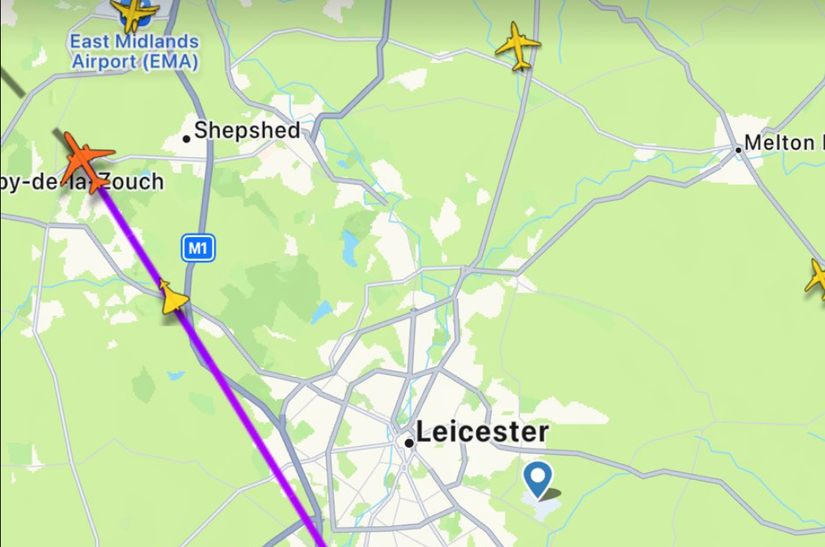
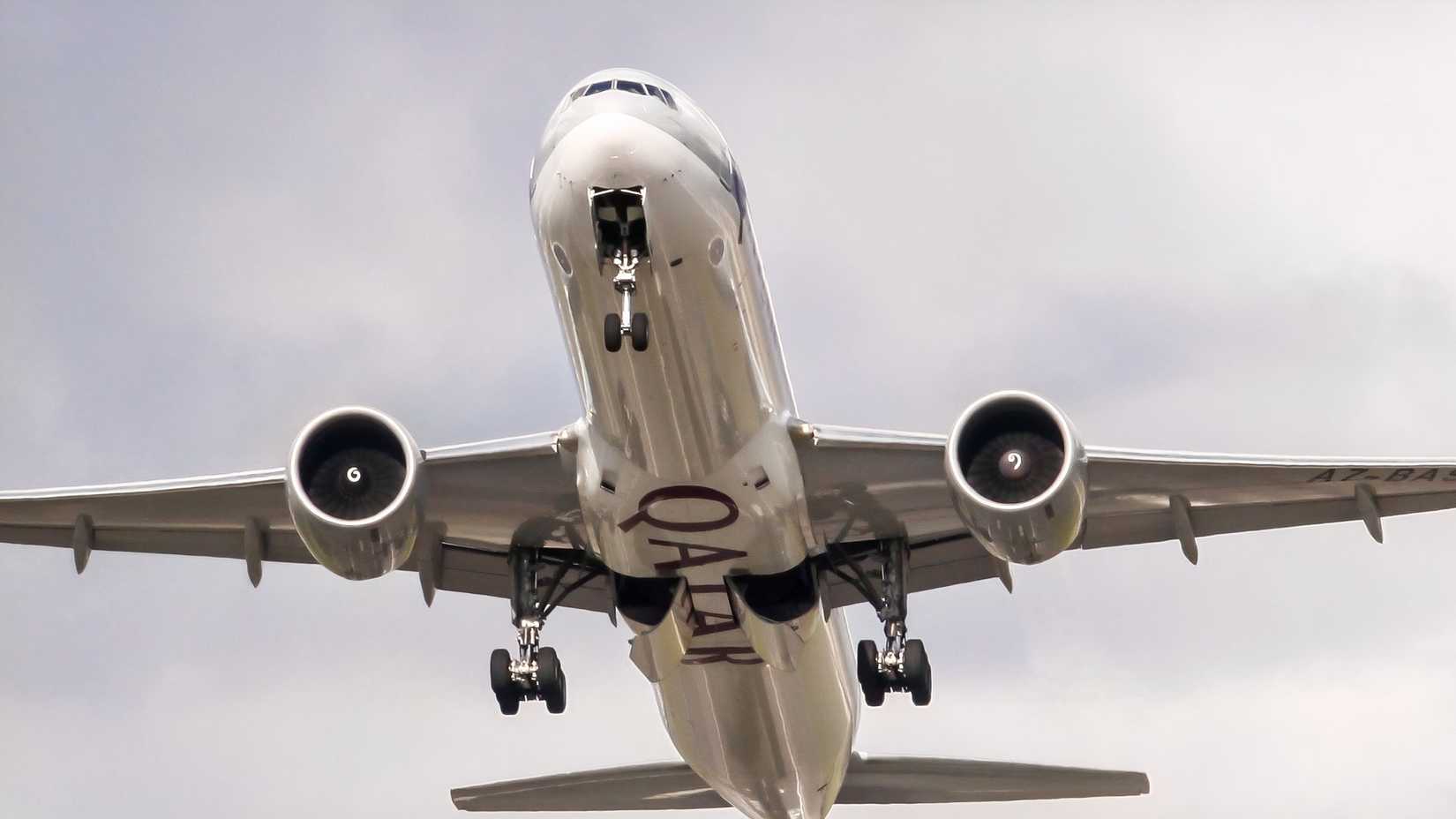
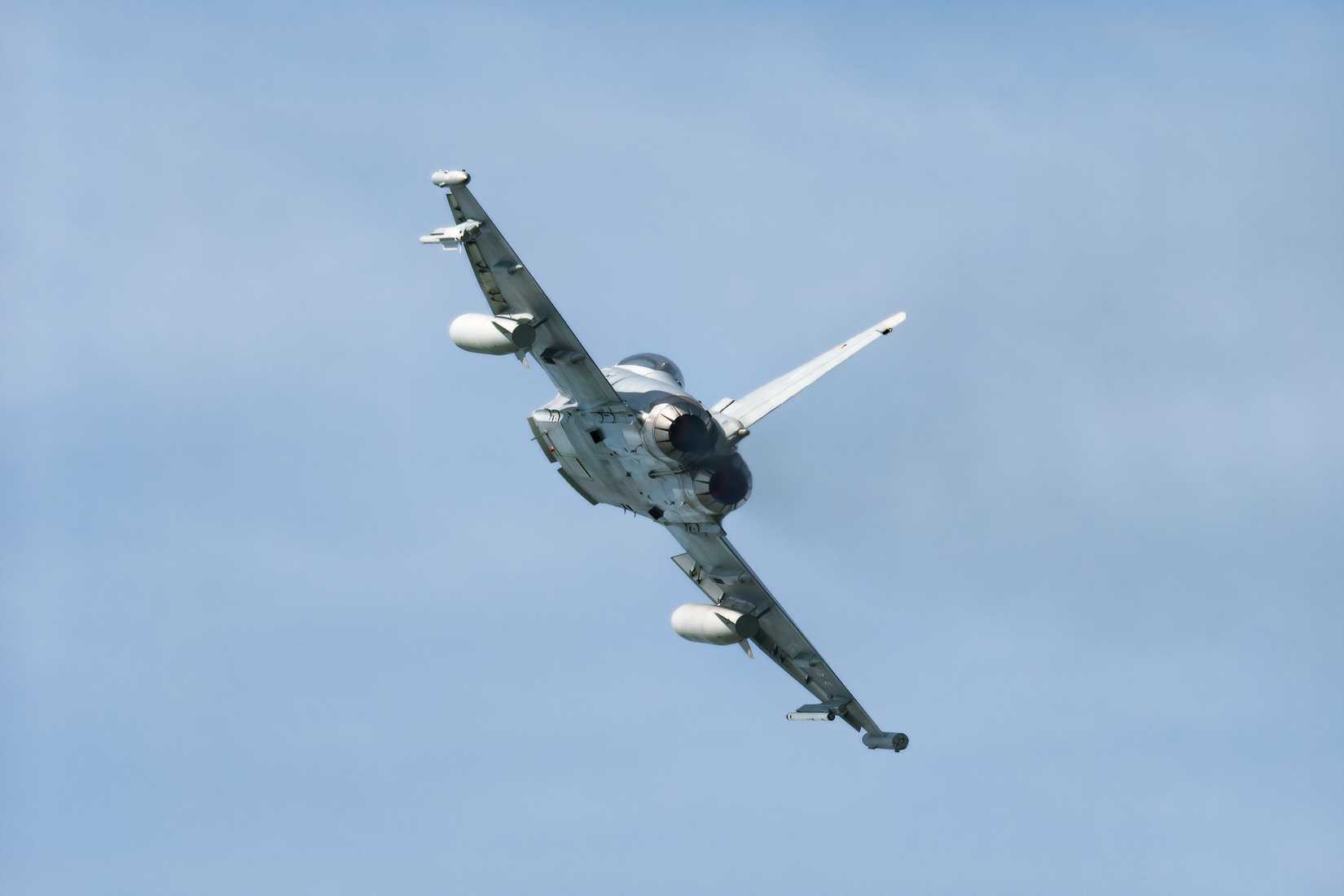
A Qatar Airways Boeing 777-300ER operating flight QR23 from Doha to Manchester was intercepted by two RAF Eurofighter Typhoon FGR4s on Friday evening after a hoax bomb threat prompted UK authorities to launch a Quick Reaction Alert. The Typhoons, flying under callsigns RIGID 11 and RIGID 12 out of RAF Coningsby, shadowed the widebody across central England before it landed safely at Manchester's Terminal 2 without incident. What was initially reported as a communications loss with air traffic control was later clarified by Greater Manchester Police, who identified a 14-year-old boy from Bolton—not a passenger on the flight—as the likely source of the threat. Notably, this is the second time this specific flight number has triggered a QRA response, following a nearly identical hoax bomb scare in August 2014 involving an Airbus A330 on the same route.
For working pilots, this incident is a clean illustration of how the QRA and intercept process functions when a security notification reaches NATS or civil authorities, regardless of whether the flight crew is aware of any actual onboard threat. Crews operating into UK airspace should understand that an intercept can be triggered by third-party threats phoned or messaged in from the ground, not just by an aircraft going NORDO or squawking 7500. The RAF's stated posture—jets at readiness capable of launching within minutes—means flight crews may find fighters on their wing with little warning, and standard intercept procedures (maintaining heading, watching for visual signals, and using appropriate radio protocols on guard frequency) remain essential knowledge even for widebody long-haul crews who may assume such events are the exclusive domain of GA and business jet operators. The fact that no sonic boom was reported, and that the jets squawked a NATO Air Policing code, indicates the response was measured and non-emergency in nature, which is itself useful context for crews trying to gauge the severity of an unfolding QRA in real time.
The broader operational takeaway concerns communication and coordination between airlines, air traffic control, and law enforcement during evolving security events. Qatar Airways' statement—characterizing the event only as a "security notification from UK authorities" without confirming the hoax nature—reflects a now-common corporate posture of minimizing public detail until law enforcement completes its investigation, which can create a lag between what passengers and crew experience and what the public understands about the cause. This mirrors past high-profile intercepts, such as the October 2023 Kenya Airways 787 diversion from Heathrow to Stansted, and underscores that even resolved, low-risk incidents can generate outsized media attention and passenger anxiety, particularly when fighter jets are visible from the ground over populated areas like the Midlands and Yorkshire.
More broadly, the incident reinforces a persistent vulnerability in commercial aviation: hoax threats, increasingly made by minors via phone, text, or social media, continue to consume significant government and military resources despite carrying no genuine explosive risk. This is a recurring theme across global aviation security, where the cost of a false threat—QRA scrambles, diversions, delayed passengers, and law enforcement investigations—remains disproportionate to the ease with which such threats can be phoned in. For airlines, dispatchers, and flight operations centers, the case reinforces the value of having established protocols for security notifications that can rapidly distinguish hoax scenarios from credible ones, and for pilots, it is a reminder that intercepts, however alarming they may look from the flight deck or the ground, are executed as a precautionary, standardized response rather than confirmation of an actual threat.










 Read original article