Discounts Won't Fix It: Why The Boeing 777-9 Just Doesn't Fit Any US Airline's Network
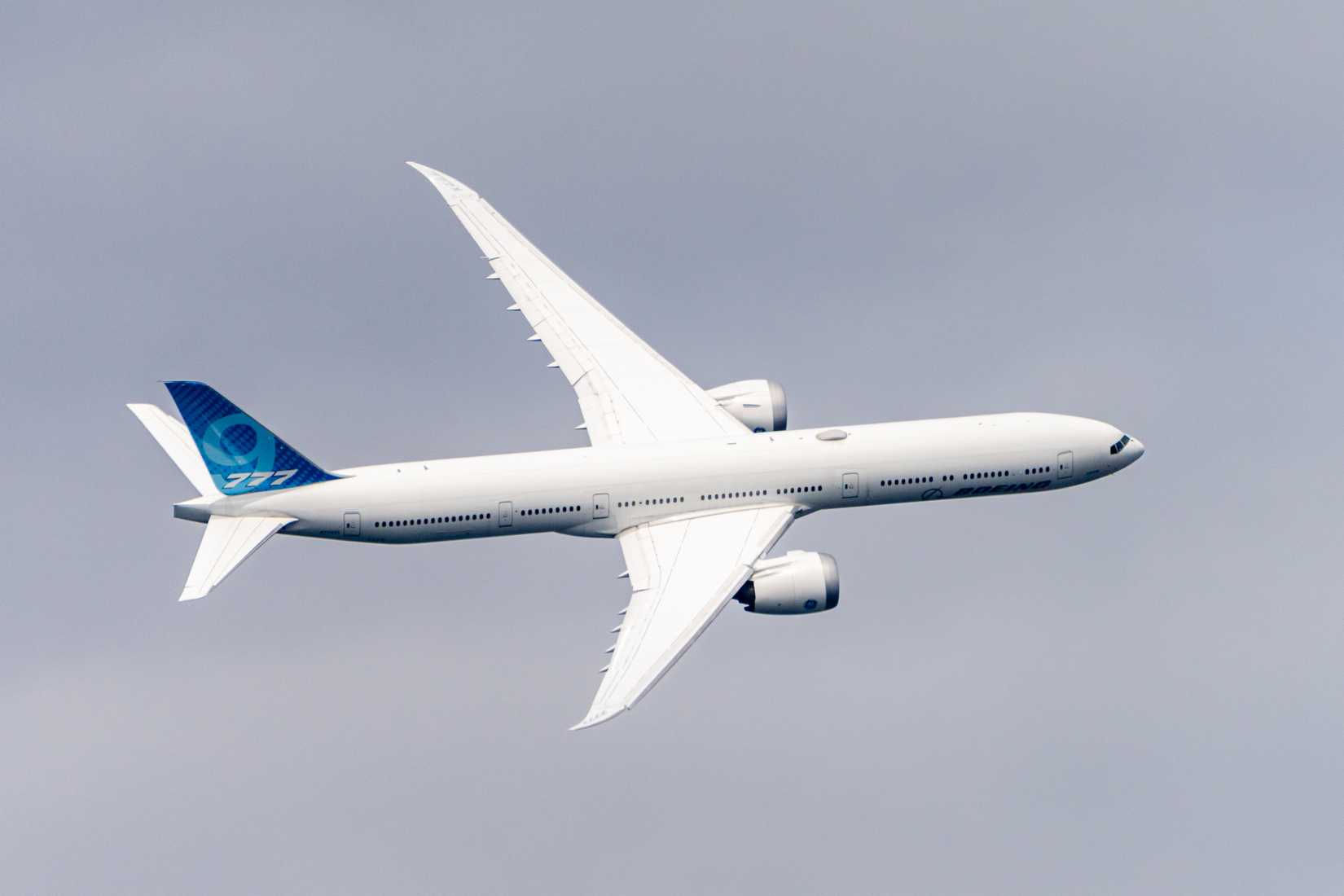
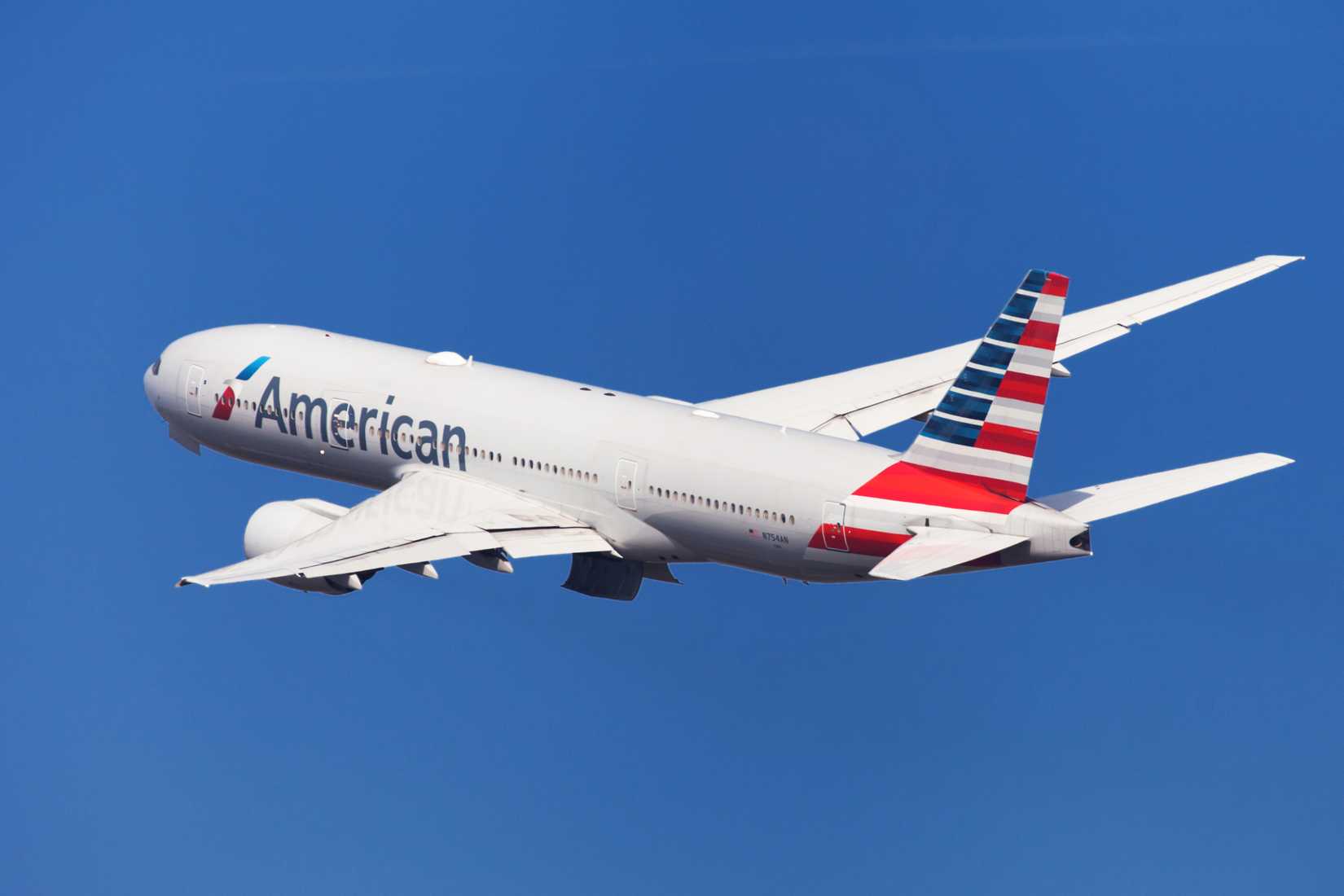
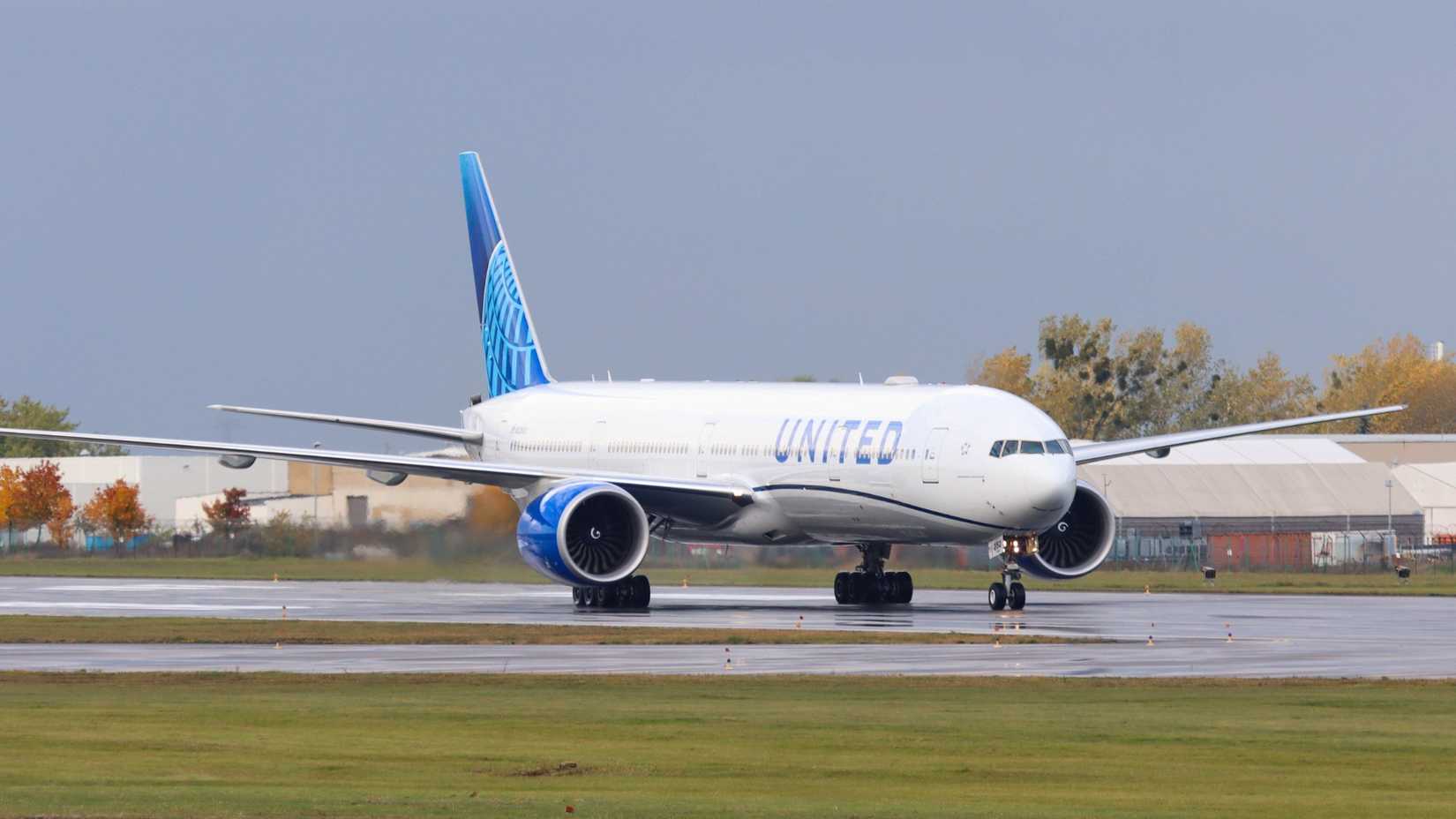
Boeing's 777X program, headlined by the 777-9, continues to face a conspicuous absence of orders from any US carrier, a gap that has persisted despite reported discounting on early-production units and a program that has already logged 521 orders from twelve customers worldwide. The analysis makes clear this isn't a pricing problem so much as a fleet-planning mismatch. American Airlines and United Airlines, the two major US 777 operators with 67 and 96 examples respectively, built their widebody strategies around the 777-200ER, an aircraft substantially smaller than the 777-9. The 777-9 was designed as an upsized successor to the 777-300ER and, in practice, has been adopted by global carriers like Emirates, Qatar Airways, Cathay Pacific, and Singapore Airlines as a super-premium flagship complementing A350 fleets rather than a straightforward replacement for mid-size widebodies. That positioning simply doesn't align with what American and United need next.
For working pilots and flight operations planners, this is a useful case study in how aircraft-sizing decisions cascade through fleet renewal cycles years in advance. United has already signaled its 777-200ER replacement will primarily be the 787-10, with legacy A350-900 orders likely to be converted or canceled, and the airline has explicitly ruled out the 777-9 as too costly for its needs. American, meanwhile, is reportedly evaluating the A330-900, A350, or additional 787s for the same role, with the 777-9 notably missing from that conversation due to its size, weight, and cost profile. Pilots tracking type-rating and bidding implications at these carriers should note that neither airline's 777-300ER fleets—American's averaging 12.5 years, United's just 8.6 years—are anywhere near replacement age, further closing the door on near-term 777-9 relevance in the US market for at least another decade.
The broader significance lies in what this reveals about diverging widebody strategies between US network carriers and the Gulf/Asian mega-carriers driving 777X demand. Airlines like Emirates and Qatar Airways operate hub-and-spoke, high-density long-haul networks built around large first-class-inclusive flagship aircraft, a business model that doesn't map onto typical US carrier route economics, where premium demand is real but network structure and stage lengths favor mid-size, more flexible widebodies like the 787 and A350-900/A330-900. This dynamic reinforces a broader industry trend: the market is increasingly bifurcating between ultra-long-haul, ultra-large flagship aircraft serving a narrow set of global mega-hubs, and the mid-size widebody segment that dominates most airline fleet planning, including in the US. For crews and operators, this matters because it shapes which aircraft will define long-haul flying careers at American and United for the next fifteen-plus years, and it underscores that even a technically capable, fuel-efficient jet like the 777-9 can struggle commercially if it doesn't fit a carrier's specific network geometry and growth trajectory—a lesson with implications for how Boeing and Airbus pitch future widebody programs to network airlines versus flagship international carriers.













 Read original article