Emirates Is Spending $5 Billion To Fix A Business Class Mistake It Made A Decade Ago
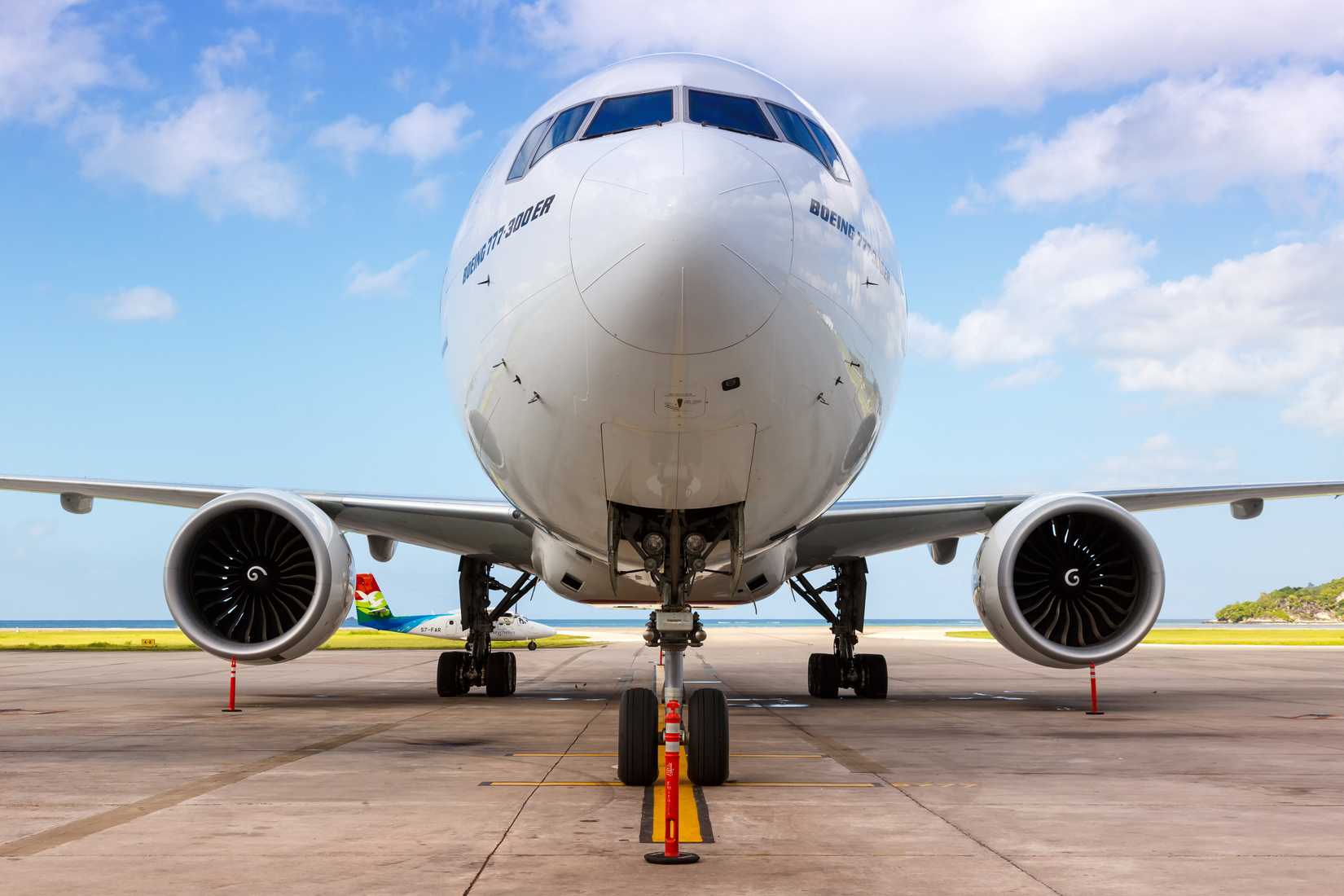
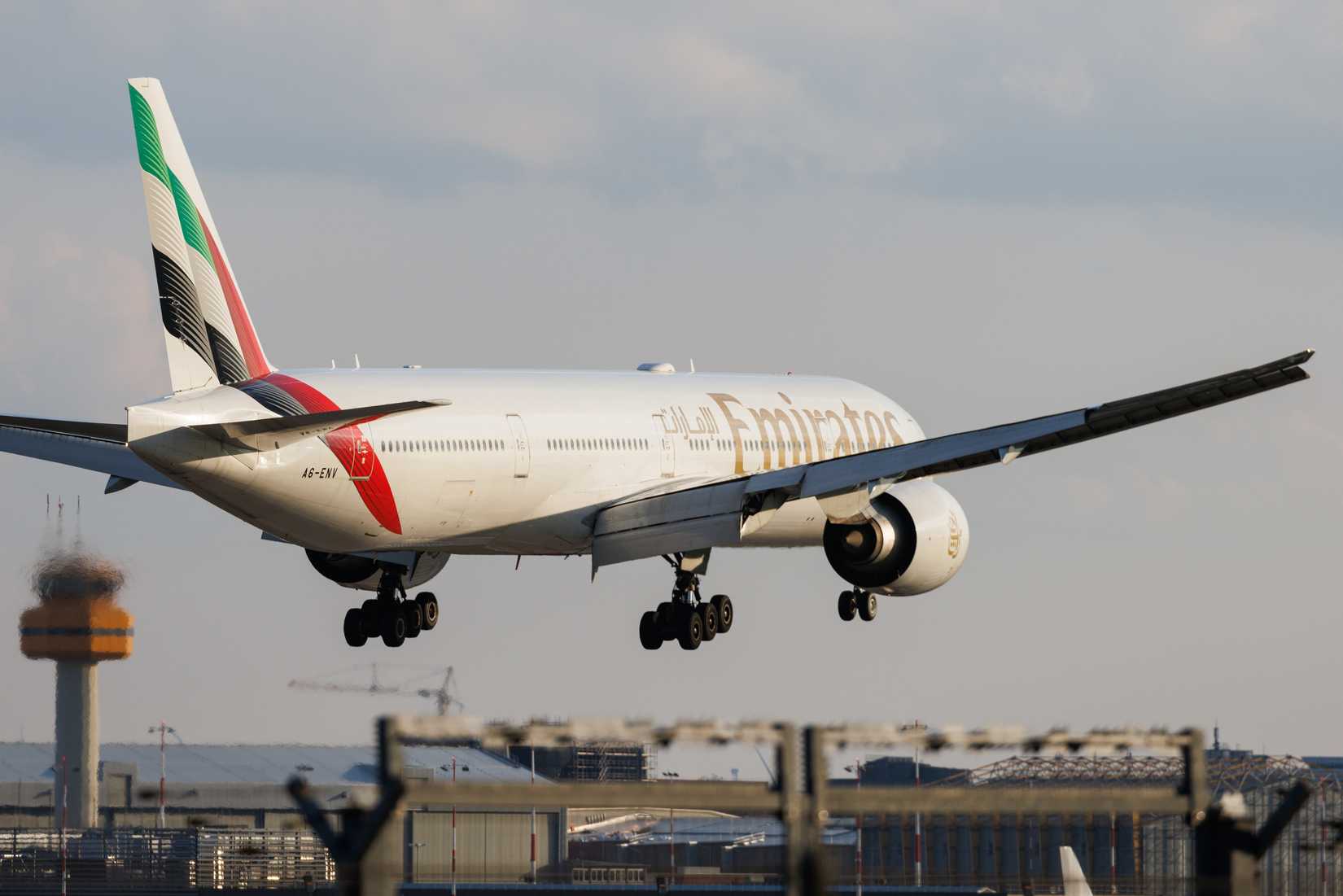
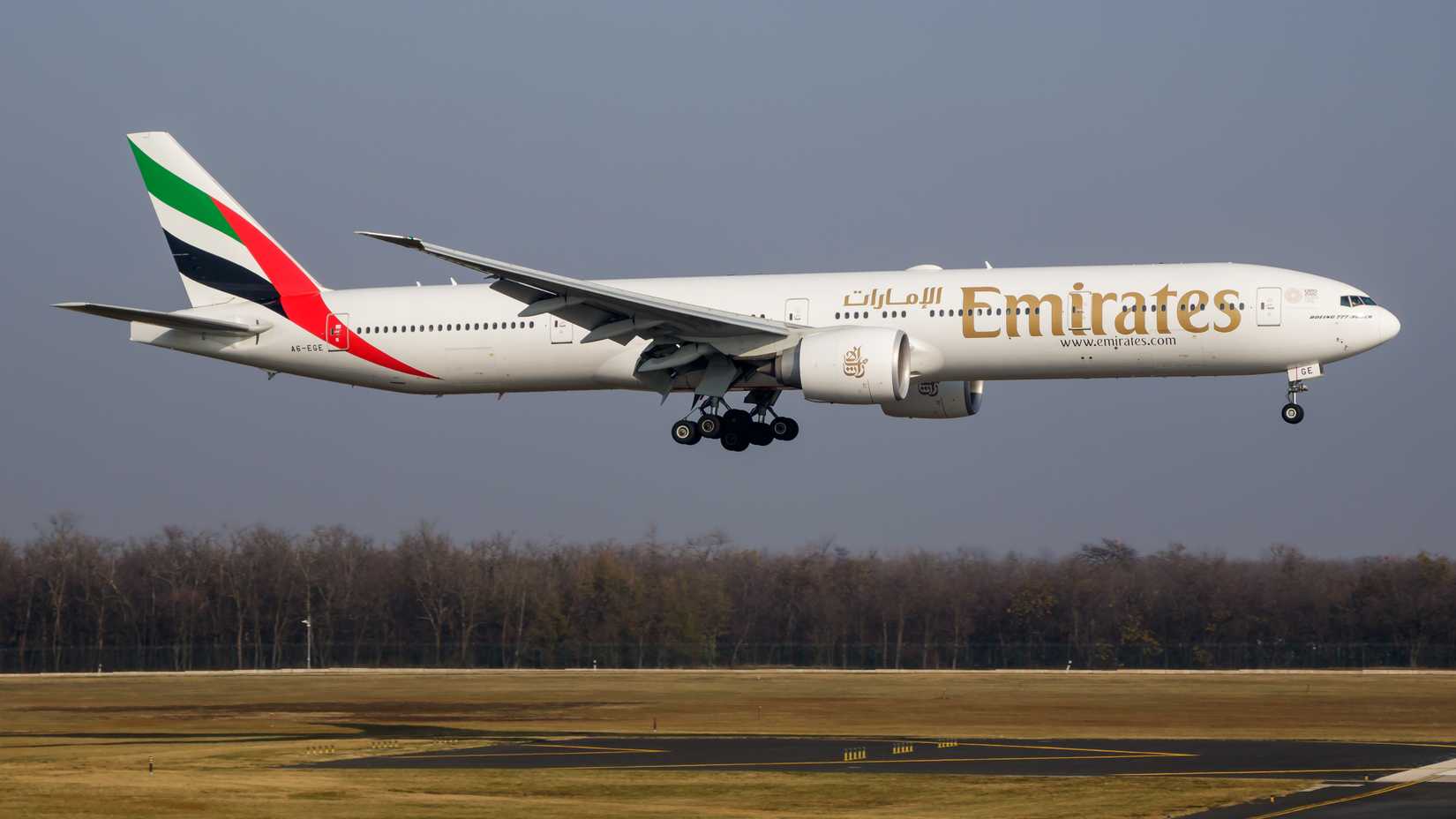
Emirates has embarked on a $5 billion retrofit program to eliminate the seven-abreast, 2-3-2 business class configuration that has defined its Boeing 777-300ER fleet for over a decade, replacing it with a modern four-abreast layout that guarantees direct aisle access for every passenger. The decision represents a rare public admission of a strategic miscalculation from an airline widely regarded as a benchmark for premium long-haul service. While Qatar Airways redefined regional business class expectations with its Qsuite product years ago, Emirates persisted with a middle-seat configuration in business class that increasingly clashed with the direct-aisle-access standard now expected by corporate travel departments and high-net-worth leisure travelers alike. That gap in product parity translated directly into lost premium yield on some of the world's most lucrative long-haul corridors, a consequence not lost on an airline that built its brand on the strength of its flagship A380 experience.
What makes this program noteworthy for working pilots and aviation operators is not just the financial commitment but the operational mechanism behind it. Rather than waiting for new-build aircraft, Emirates president Sir Tim Clark pivoted to an in-house retrofit strategy after Boeing 777-9 deliveries slipped roughly five years, well into 2027. That delay forced Emirates to write off tens of millions of dollars in dead engineering capital tied to cabin technology designed for airframes that would not leave the factory floor on schedule. The airline's response was to stand up a continuous, nose-to-tail retrofit line at its Dubai engineering center, capable of fully stripping and rebuilding a 777 in 18 days and an A380 in 22 days, delivering two completed widebody retrofits into service every month. Having now passed the 100-aircraft milestone across both fleet types, this represents one of the most aggressive heavy-maintenance production cadences in commercial aviation, and it illustrates how manufacturer delivery delays are pushing carriers toward in-house MRO solutions as a hedge against OEM production bottlenecks.
For flight crews and maintenance planners, this kind of sustained, high-tempo retrofit operation has real implications beyond cabin aesthetics. Running two widebody teardown-and-rebuild cycles per month at a single facility demands tightly choreographed logistics, workforce scheduling, and quality assurance processes, all while the aircraft remain in revenue service on either side of the retrofit window. It also underscores how fleet planning decisions made a decade ago, when Emirates opted for density over consistency, can create long-tail financial and reputational exposure that eventually requires capital-intensive correction. The chosen seat platform, a modernized evolution of the Safran S Lounge product that debuted on the A380 upper deck in 2008, reflects a deliberate strategy to standardize cabin architecture across the A380, new-build A350, and retrofitted 777 fleets, simplifying training, spares provisioning, and passenger experience continuity across a diverse widebody fleet.
More broadly, this program is a clear signal of how manufacturer delivery delays, particularly the protracted 777X certification and production timeline, are reshaping fleet strategy across the industry. Airlines that anchored long-term competitiveness to next-generation aircraft now face difficult choices when those deliveries slip by years rather than months. Emirates' response, investing billions in extending the service life and competitiveness of existing airframes rather than waiting on OEM schedules, may become a template other carriers study closely, particularly Gulf and Asian long-haul operators facing similar 777X and A350 backlogs. For pilots, this trend reinforces the growing importance of understanding retrofit and MRO cycles as a factor in fleet assignment, aircraft availability, and even route planning, as carriers increasingly treat in-house cabin modernization as a core strategic capability rather than a peripheral maintenance function.







 Read original article