Boeing's 737 MAX 7 Is Finally Nearing FAA Approval & Southwest Airlines' Entire Next Decade Depends On It
The Boeing 737 MAX 7 appears poised to clear its final FAA certification hurdle as early as late July 2026, closing out one of the most protracted narrowbody certification sagas in recent memory. The delay traces back to a redesign of the engine anti-ice system, a fix mandated after the FAA identified a potential overheat risk in the inlet that could allow engine cowling debris to depart the aircraft in extended icing conditions. That issue, layered atop the heightened regulatory scrutiny following the two MAX 8 accidents and the January 2024 Alaska Airlines door-plug blowout, pushed certification of both the MAX 7 and MAX 10 years behind schedule while the MAX 8, MAX 8-200, and MAX 9 continued flying and being delivered. With flight testing reportedly more than 80% complete and the anti-ice redesign finalized, Boeing is finally positioned to close out the program, though production ramp-up and backlog fulfillment remain a separate and significant challenge.
For working pilots, this certification milestone carries operational weight well beyond a single airframe variant. The MAX 7 and MAX 10 delays have forced the FAA to maintain an unusually granular level of oversight over Boeing's design and quality assurance processes, and how the agency closes out this program will be closely watched as a bellwether for how it handles future Boeing certifications, including any eventual synthetic-vision or systems updates on other variants. Line pilots at Southwest and other future MAX 7 operators should also anticipate the standard type-differences training that accompanies a new subvariant entering an existing single-type fleet, along with updated QRH and FMS considerations tied to the redesigned anti-ice logic, engine noise characteristics, and fan flutter mitigation built into the new system.
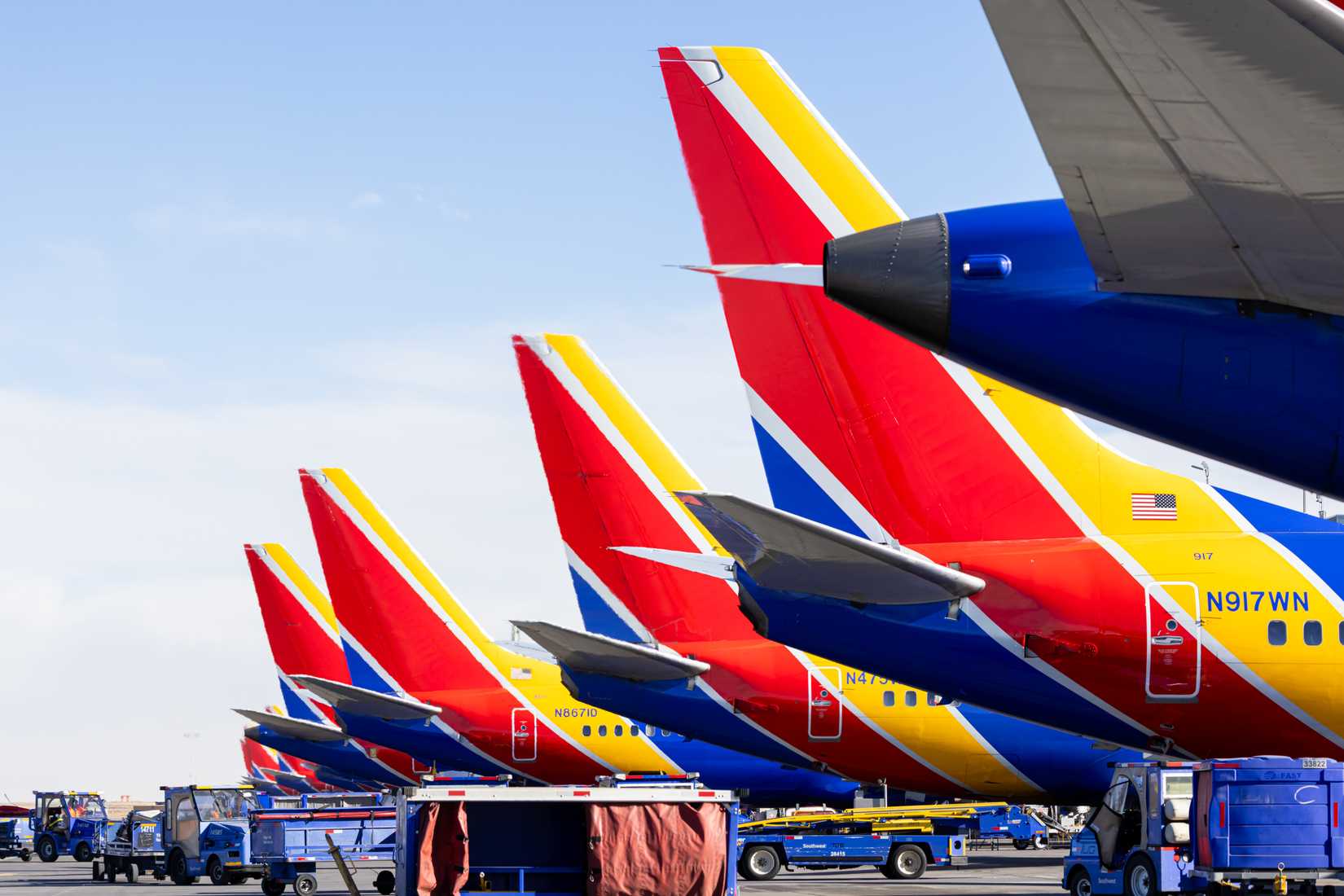
The story is arguably more consequential for Southwest Airlines than for Boeing itself. Southwest's entire operating philosophy, dating to Herb Kelleher, rests on fleet commonality, and the airline has no fallback aircraft type to absorb further delay, unlike carriers that diversified with Airbus or embraer types. With 314 MAX 7s on order and 334 aging 737-700s still in service at an average fleet age near 27 years, Southwest has been forced to extend the operational life of legacy airframes well past their planned retirement, driving up maintenance burden, unscheduled downtime, and parts availability pressure on a shrinking supplier base for older 737NG components. That dynamic has directly constrained Southwest's capacity planning, network growth, and crew and maintenance staffing assumptions for years, making this certification less a product milestone than a release valve for a fleet plan that has been effectively frozen.
More broadly, the MAX 7 saga illustrates how certification risk has become a first-order strategic variable for airlines and OEMs alike, not merely an engineering footnote. Airbus has used Boeing's narrowbody certification gap to solidify A220 and A320neo family positioning, and Southwest's own consideration and rejection of the A220 underscores how close competitors came to breaking Boeing's grip on an all-Boeing legacy carrier. For fleet planners, flight operations leaders, and training departments across the industry, the episode reinforces a broader lesson reshaping post-MAX-crisis aviation: regulatory certainty, not just aircraft performance or economics, now drives fleet strategy, and single-type simplicity carries real exposure when a manufacturer's certification pipeline stalls. As Southwest targets an all-MAX fleet by 2031, the coming MAX 7 delivery ramp will be a real-world test of whether Boeing's production system and the FAA's more deliberate oversight model can finally operate in sync after years of friction.








 Read original article