Pipistrel Debuts Voyager Trainer Built Around New Mosaic Rules
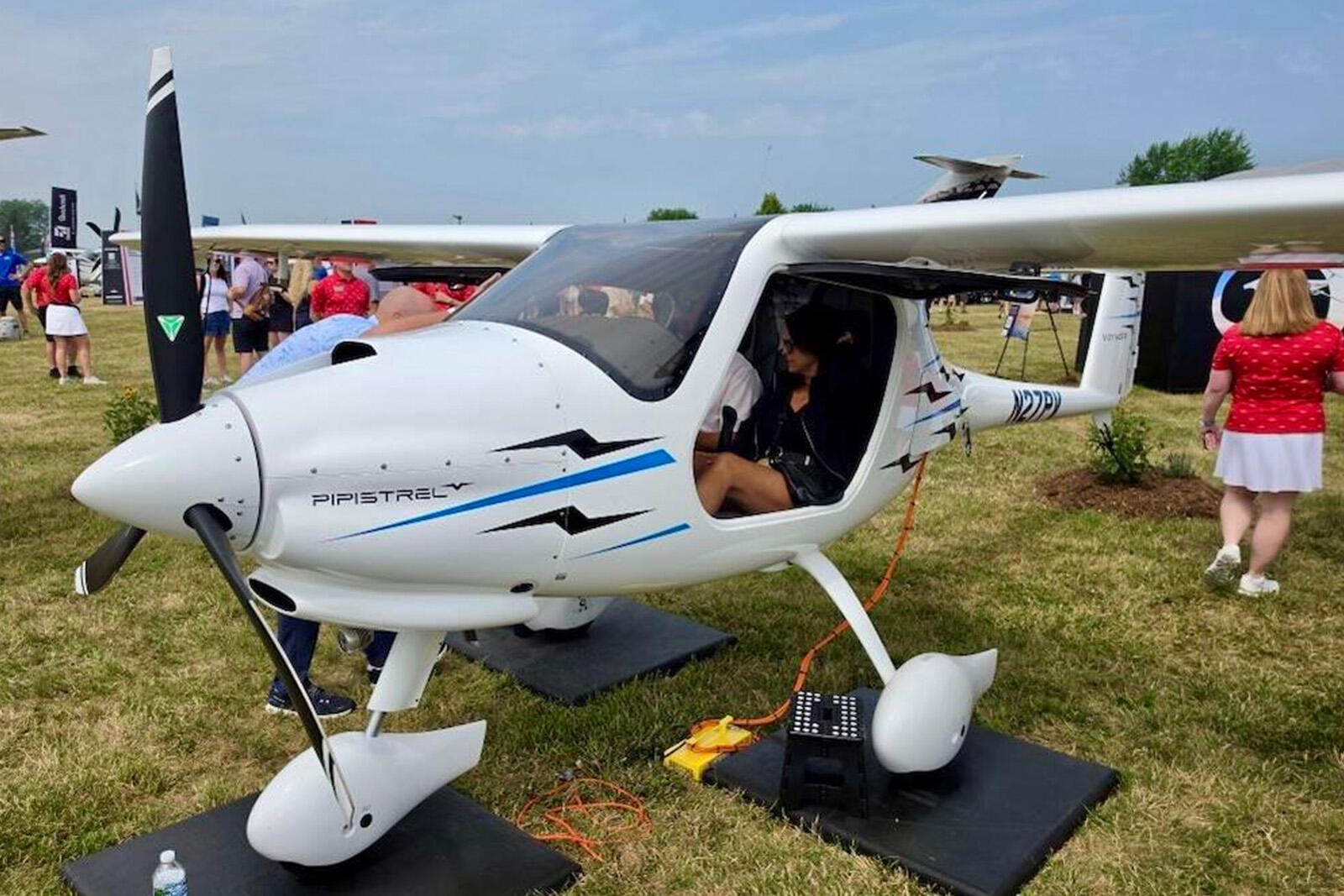
Pipistrel's introduction of the Voyager at EAA AirVenture Oshkosh marks one of the first concrete product responses to the FAA's Mosaic (Modernization of Special Airworthiness Certificates) rule, which reshapes the light-sport and experimental aircraft category by raising weight, speed, and stall-speed limits while opening the door to more capable single- and multi-engine trainers under a simplified certification framework. Rather than retrofitting an existing airframe, Pipistrel designed the two-seat Voyager from the outset to exploit these new parameters, drawing on operational data and lessons from its FAA-certified Velis Electro—the world's first type-certified electric aircraft. The Voyager is explicitly positioned as a flight-school trainer, targeting U.S. operators looking to modernize fleets with an aircraft that can legally do more than legacy LSAs while avoiding the cost and complexity of full Part 23 certification.
For working pilots and flight training organizations, this matters because Mosaic fundamentally changes the economics and capability envelope of primary and recurrent training. Under the old light-sport rules, aircraft were capped at low gross weights and speeds that limited their utility for anything beyond basic stick-and-rudder instruction. Mosaic-compliant designs like the Voyager can carry more useful load, operate at higher performance margins, and potentially support a broader range of training tasks—instrument work, more realistic cross-country legs, possibly even multi-engine familiarization—while remaining in a lower-cost certification and maintenance tier than traditional certified trainers such as the Cessna 172 or Piper Archer. Flight schools operating on thin margins have long sought lower acquisition and operating costs without sacrificing training fidelity, and a purpose-built Mosaic trainer directly addresses that gap. It also signals to instructors and DPEs that the training fleet landscape is shifting, with implications for syllabi, insurance underwriting, and maintenance provider familiarity with new airframes and, potentially, electric or hybrid propulsion variants.
Pipistrel's move is also significant because of the company's pedigree in electric and hybrid-electric propulsion. The Velis Electro already demonstrated that Pipistrel can navigate FAA certification for genuinely novel propulsion architectures, and the Voyager's design lineage suggests the company may be positioning itself to offer electric or hybrid variants once battery energy density and charging infrastructure mature further. This aligns with a broader industry trend in which advanced air mobility manufacturers and traditional airframers alike are using the training segment as a proving ground for new technologies and regulatory pathways—lower stakes, lower certification burden, and a captive customer base of flight schools eager to reduce fuel and maintenance costs. Textron, Diamond, and other trainer manufacturers are watching Mosaic closely, and Pipistrel's early entrant status could give it a first-mover advantage in a training market that has been starved for genuinely new, cost-effective options for over a decade.
More broadly, the Voyager's debut underscores how regulatory reform is beginning to reshape aircraft design philosophy across general aviation. Mosaic was crafted partly in response to industry pressure to modernize a light-sport category that had become outdated relative to available technology, and manufacturers are now responding with aircraft engineered specifically to the new rule rather than aircraft merely reclassified under it. For flight schools, charter operators eyeing utility aircraft, and even business aviation feeder pipelines that rely on robust primary training ecosystems, the emergence of Mosaic-native aircraft like the Voyager represents an early data point in what is likely to be a wave of new trainer and personal aircraft introductions over the next several years, with downstream effects on pilot training costs, fleet modernization timelines, and the broader supply of new pilots entering the professional pipeline.








 Read original article