Boeing, GE among industry coalition pushing for speed-up of U.S. aircraft certification
A newly formed industry coalition, dubbed the Partnership for Regulatory Innovation, Safety, and Modernization (PRISM), has emerged from Farnborough as a coordinated push by Boeing, GE Aerospace, and other major U.S. aviation manufacturers to work directly with the FAA on accelerating and modernizing aircraft certification. Backed by trade groups including the Aerospace Industries Association and the General Aviation Manufacturers Association, the initiative aims to address the certification backlog and delays that have plagued the industry for nearly a decade. Both organizations characterize PRISM as a collaborative safety-focused effort, with stated goals of increasing applicant accountability, improving FAA oversight efficiency, and redirecting regulatory resources toward areas with the greatest safety impact.
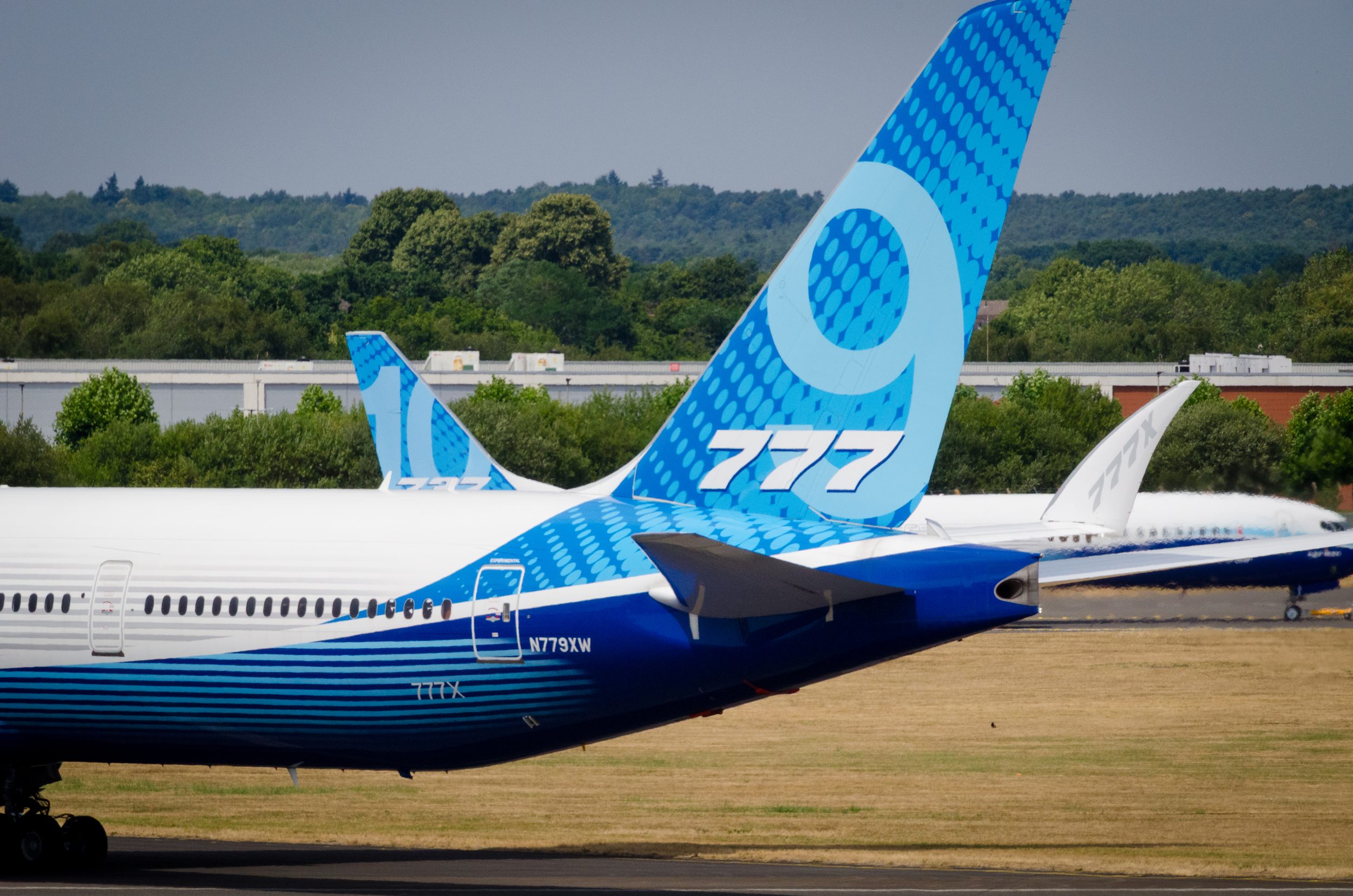
The timing reflects a pivotal moment for FAA certification. The past decade has been defined by a string of high-profile delays tied to intensified regulatory scrutiny following the 737 Max MCAS accidents and subsequent quality-control crises, including the door-plug blowout on an Alaska Airlines Max 9. Programs like the 777X, later 737 Max variants, and Gulfstream's G700 all suffered multi-year certification slips that frustrated airline and business jet customers alike while imposing enormous financial costs on manufacturers. With the Max 7 nearing certification, the industry views this as an inflection point — a chance to clear the backlog and establish a more predictable, efficient framework before the next wave of new aircraft programs arrives.
For working pilots, certification delays are not merely a manufacturer or regulatory abstraction — they directly affect fleet planning, training pipelines, and operational timelines across every segment of aviation. Airlines waiting on Max 7 and Max 10 deliveries have had to extend the service life of aging aircraft, adjust crew staffing and training schedules, and absorb higher maintenance costs on older frames. Business aviation operators anticipating the G700 experienced similar disruption, delaying fleet modernization and crew transition plans. A more predictable certification timeline would allow chief pilots, training departments, and flight operations planners to build more reliable long-term staffing and equipment strategies rather than continually adjusting to shifting delivery dates.
The stakes extend well beyond legacy manufacturers to an entire generation of new aircraft categories. The advanced air mobility sector — eVTOL aircraft from companies like Joby, Archer, and others — faces its own certification hurdles as it seeks to introduce fundamentally new aircraft types and operational concepts into the National Airspace System. Likewise, both Boeing and Airbus are expected to eventually launch clean-sheet narrowbody replacements that will require the FAA to certify new technologies at scale. How PRISM's efforts translate into actual FAA policy and staffing decisions will be closely watched by regulators internationally, since EASA and other authorities often calibrate their own validation processes based on FAA outcomes. For an industry still recovering credibility after the Max crisis, the challenge will be balancing genuine safety rigor with the operational efficiency the coalition seeks — a balance that pilots, as the last line of safety assurance in the cockpit, have perhaps the greatest stake in getting right.