Virgin Atlantic Pulls Boeing 787 From Service After Heathrow Engineer's Death
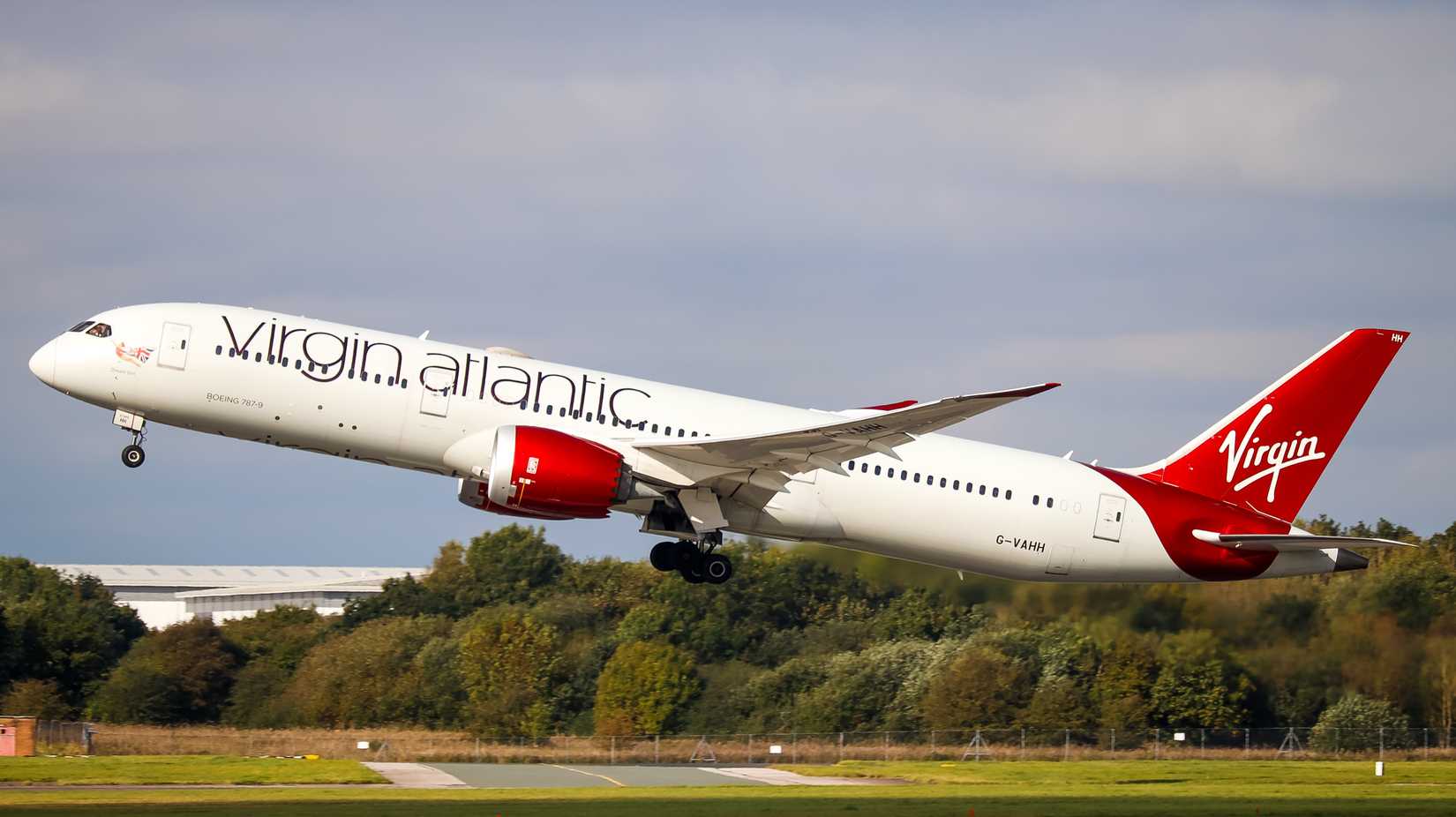
A 23-year-old Virgin Atlantic engineer, Georgie Buxton, has died nearly a month after being critically injured while performing maintenance testing on a Boeing 787-9 at London Heathrow. According to reporting on the incident, Buxton was "crushed" when equipment he was working on suddenly collapsed, leaving him on life support before his death was confirmed. Virgin Atlantic has grounded the specific aircraft involved and is cooperating with local authorities and Boeing on a full investigation, while an inquest has been opened in London and will be adjourned this week pending further findings. The carrier has been careful to clarify that the fatality was not engine-related, though the precise mechanical or procedural failure that led to the collapse remains undisclosed.
For working pilots and maintenance professionals, this incident is a sobering reminder that ground and hangar operations carry serious occupational risk that rarely receives the same scrutiny as flight operations. Line and heavy maintenance checks routinely involve engineers working beneath or around large structural components, jacks, stands, and access equipment on aircraft weighing hundreds of thousands of pounds. A "sudden collapse" of machinery during testing points to either an equipment failure, a securing/locking procedure lapse, or an inadequate risk assessment for the task being performed—any of which could implicate maintenance safety protocols that regulators, MROs, and airlines will now be forced to re-examine. Flight crews depend entirely on the integrity of maintenance sign-offs, and incidents like this tend to trigger broader safety stand-downs, revised work instructions, and potentially AD-like guidance from Boeing if the root cause is found to be a design or tooling issue rather than a one-off human factors event.
The commercial impact is also worth noting. Virgin Atlantic operates only 17 787-9s as its largest fleet type, and with three aircraft currently showing no flight activity in the past week, the airline is already absorbing a meaningful capacity hit at its primary Heathrow hub during peak summer season. Widebody aircraft are not easily substituted, and an extended grounding while the investigation proceeds could force schedule adjustments, wet-lease arrangements, or capacity trims on long-haul routes out of LHR, particularly as the carrier is simultaneously managing an A330-300-to-A330-900 fleet transition through 2027.
More broadly, this event lands amid heightened industry attention to maintenance and ground-safety culture, following a string of high-profile MRO-related incidents across the industry in recent years, from tooling and FOD issues to fatal ground accidents at other carriers and repair stations. Regulatory bodies including the UK's CAA and HSE are likely to scrutinize whether existing risk controls for aircraft maintenance testing—particularly involving heavy or elevated equipment—are sufficient, and whether industry-wide guidance needs updating. For airline safety departments, engineering leadership, and MRO providers, the case reinforces that ground safety investment, equipment inspection regimes, and hazard controls for testing procedures deserve the same rigor as inflight safety systems, since a single procedural or equipment failure on the ramp or in the hangar can prove just as catastrophic as one in the air.





 Read original article