5 Things Passengers Don't Know About Premium Economy Dining In 2026
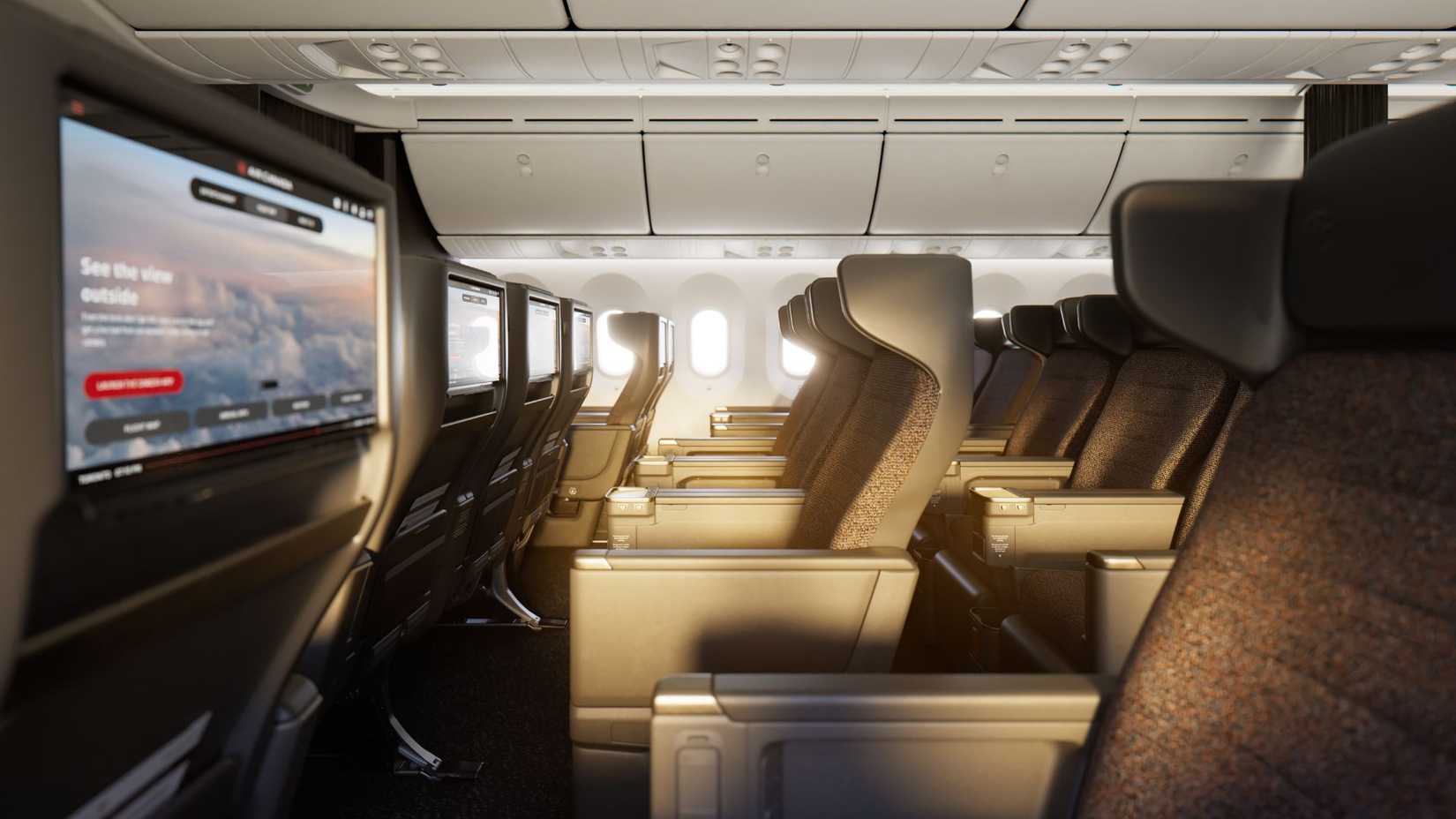
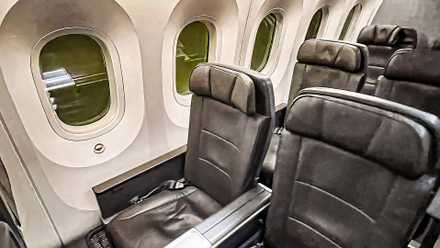
Premium economy has quietly become one of the most consequential cabin segments in commercial aviation, and the latest reporting on 2026 dining trends underscores just how deliberately airlines are differentiating the product from standard economy. What began as a modest cabin retrofit strategy has evolved into a genuine revenue engine, with Delta recently reporting that premium economy receipts have surpassed standard economy revenue for the first time. Carriers that were once skeptical of the category—Emirates chief among them, having worried it would cannibalize lucrative business class demand—have reversed course entirely and are now racing to retrofit long-haul fleets with dedicated premium economy cabins. Brussels Airlines, Air France, Japan Airlines, and others are formally decoupling premium economy catering from economy service, introducing distinct menus, upgraded tableware, multi-course meal structures, and route-specific beverage programs including champagne and business-class-sourced wines. For flight crews and cabin operators, this represents a meaningful shift in service complexity and inventory management on widebody long-haul aircraft.
For working pilots, particularly those flying long-haul widebody equipment for legacy carriers, this trend matters less for direct flight-deck operations and more as an indicator of where network planning, aircraft configuration, and route economics are heading. Airlines don't retrofit cabins and redesign catering programs on a whim; these investments reflect where load factors, yield, and customer willingness-to-pay are concentrating. As premium economy demand grows, airlines are reconfiguring seat maps, adjusting weight and balance profiles with denser but more complex cabin layouts, and in some cases extending galley and catering loadout requirements that affect turnaround times, catering logistics, and even fuel planning given shifts in payload distribution across cabin classes. Pilots flying international long-haul sectors will increasingly see aircraft configured with four distinct service classes rather than three, which has downstream implications for boarding sequencing, weight manifests, and crew staffing models that operations departments must account for.
The broader significance lies in what this shift says about post-pandemic travel psychology and airline revenue strategy. As the article notes, flying has lost its Jet Age glamor and become a commoditized mode of transport; passengers increasingly view first and business class as excessive for many trips while finding standard economy inadequate. Premium economy has filled that gap, and airlines are using catering psychology—better trays, metal cutlery, glassware, and service cadence—to reinforce perceived value even when actual food quality differences are incremental. This mirrors broader trends across the industry where ancillary revenue, cabin segmentation, and experiential differentiation are increasingly central to airline profitability, much the way business jet operators and fractional providers have leaned into cabin experience and service consistency to justify premium pricing against increasingly capable large-cabin and super-midsize competitors.
For business aviation professionals and Part 91/135 operators, the trend is a useful data point on shifting passenger expectations more broadly. As commercial premium economy narrows the experiential gap with business class through better catering, service design, and cabin psychology, it raises the baseline expectation that business jet passengers bring with them when flying privately. Charter operators and flight departments managing client experience should note that commercial aviation is investing heavily in perceived value engineering—plating, tableware, service sequencing—as a lower-cost alternative to hard-product investment. That same toolkit, applied thoughtfully, remains relevant for business aviation catering and cabin service standards, particularly as corporate flight departments compete for retention against an increasingly sophisticated commercial premium product. More broadly, the premium economy boom signals continued bifurcation in air travel: carriers are doubling down on differentiated cabin classes rather than one-size-fits-all economy, a structural trend that will keep shaping fleet planning, cabin retrofit cycles, and network economics across the commercial sector for years to come.










 Read original article