Why Delta Air Lines Doesn’t Want Blended Winglets On Most Aircraft Anymore
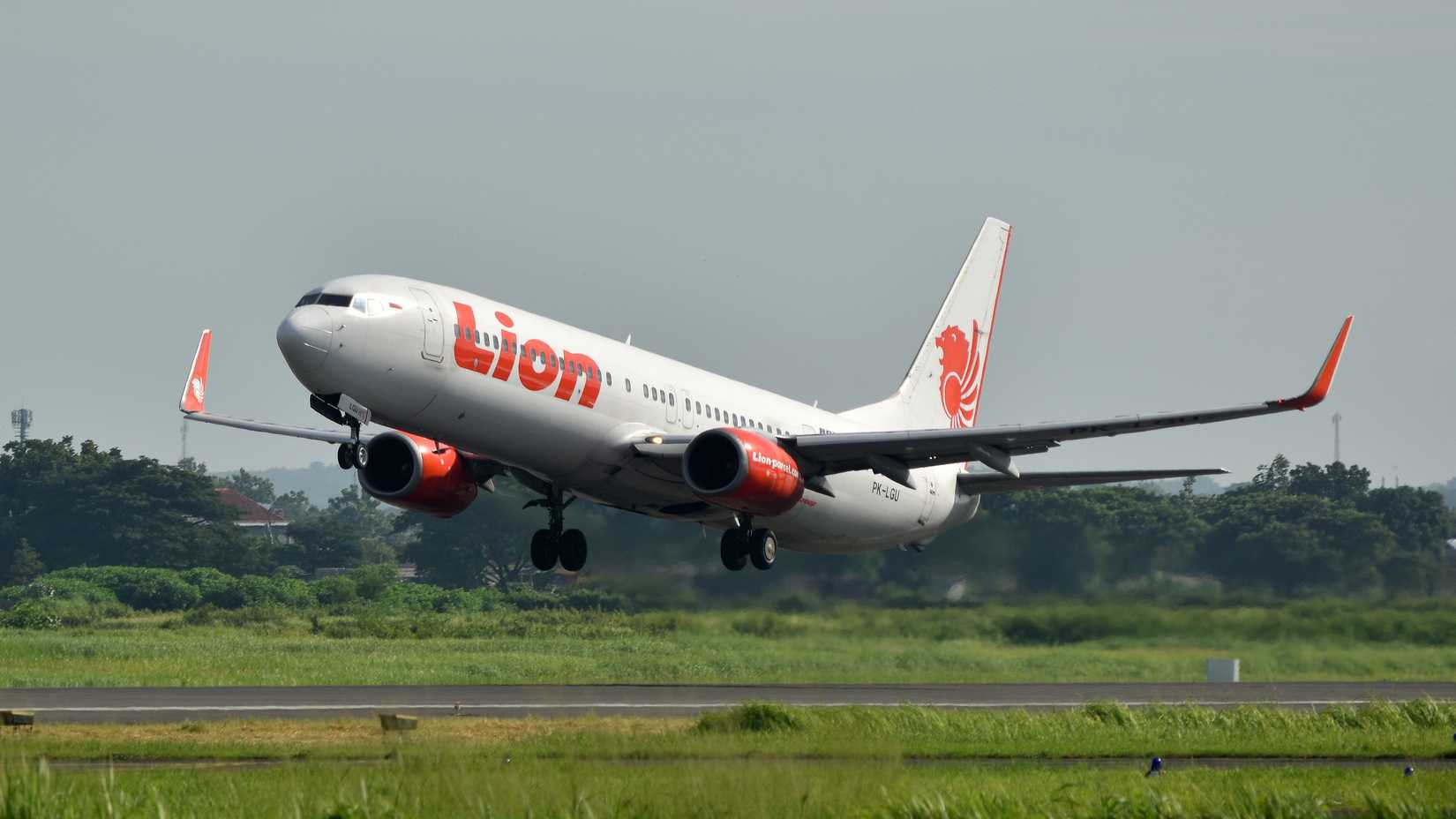
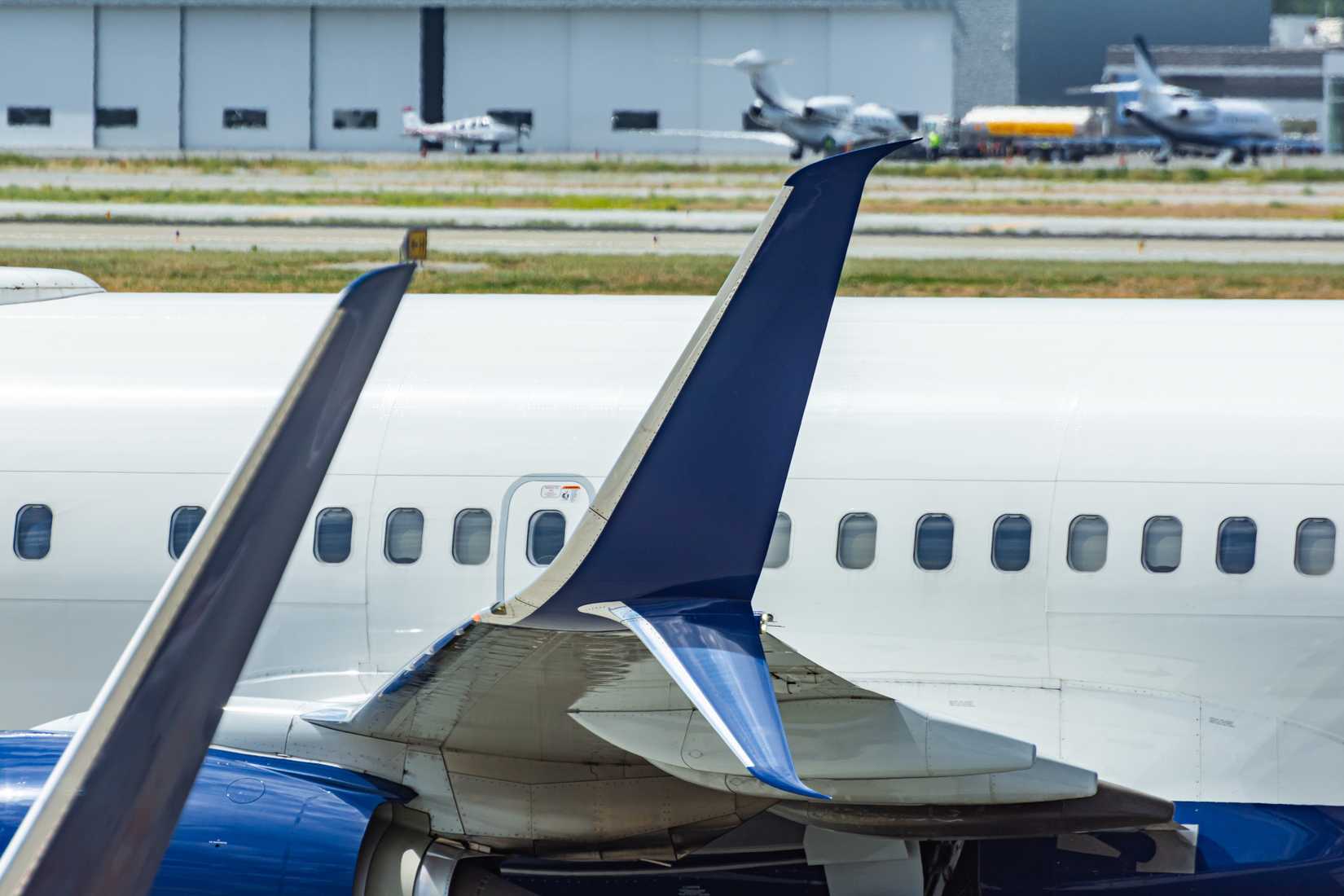
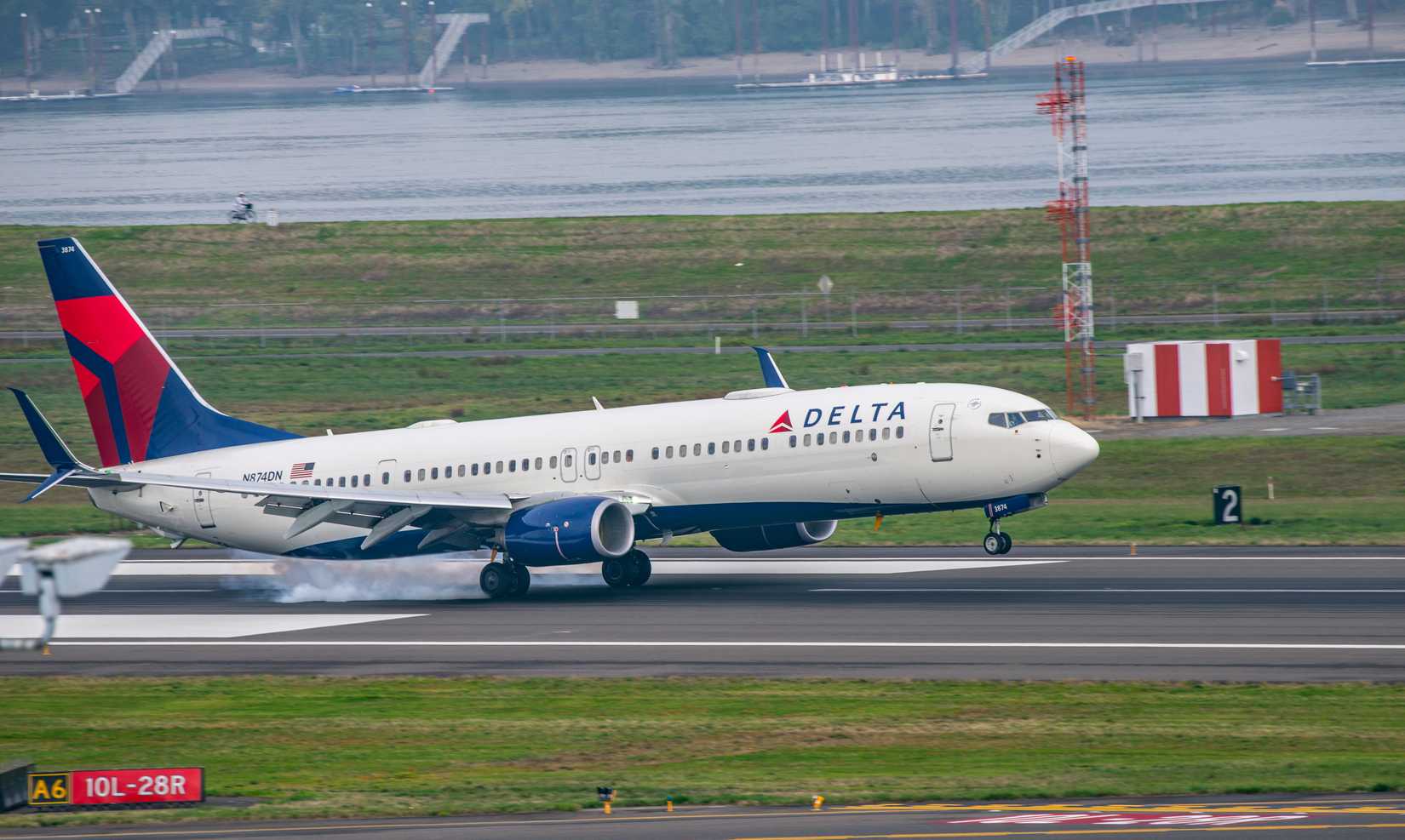
Delta Air Lines' shift away from blended winglets on its Boeing 737 fleet reflects a broader industry recalibration around wingtip aerodynamics as a lever for fuel efficiency. Since 2015, Delta has been retrofitting its 737-800 and 737-900ER aircraft with split scimitar winglets supplied by Aviation Partners Boeing (APB), replacing the blended winglet design that had itself been considered state-of-the-art only a decade earlier. The split scimitar configuration—featuring curved winglet surfaces extending both above and below the wingtip, along with a ventral strake—delivers fuel savings of up to 5.5% per aircraft, compared to roughly 3.3% for the blended design it supersedes. Southwest Airlines pioneered this retrofit in 2014, and Delta followed shortly after, later expanding its commitment with additional orders in 2022 covering its 737-800 fleet and newer 737-900ER deliveries, according to APB executives who characterized the deal as part of a longer-term sustainability partnership rather than a one-time purchase.
For working pilots and flight operations teams, this evolution in wingtip technology is a tangible reminder that aerodynamic refinement remains one of the most cost-effective paths to reducing fuel burn on legacy airframes, short of fleet replacement. Winglet retrofits require no engine changes, minimal downtime relative to a full aircraft overhaul, and produce measurable improvements in range, payload capability, and climb performance—factors that matter directly to dispatchers calculating fuel loads and to pilots managing performance in weight-restricted or high-density-altitude operations. Crews transitioning between 737NG variants with different winglet configurations should also note handling nuances: split scimitar and split-tip designs subtly alter wingtip vortex behavior and can influence stall characteristics and crosswind handling at the margins, information typically addressed in differences training and FCOM supplements. Maintenance and engineering departments, meanwhile, must track winglet configuration as a distinct dispatch and MEL consideration, since retrofit status varies tail-to-tail within a single fleet type.
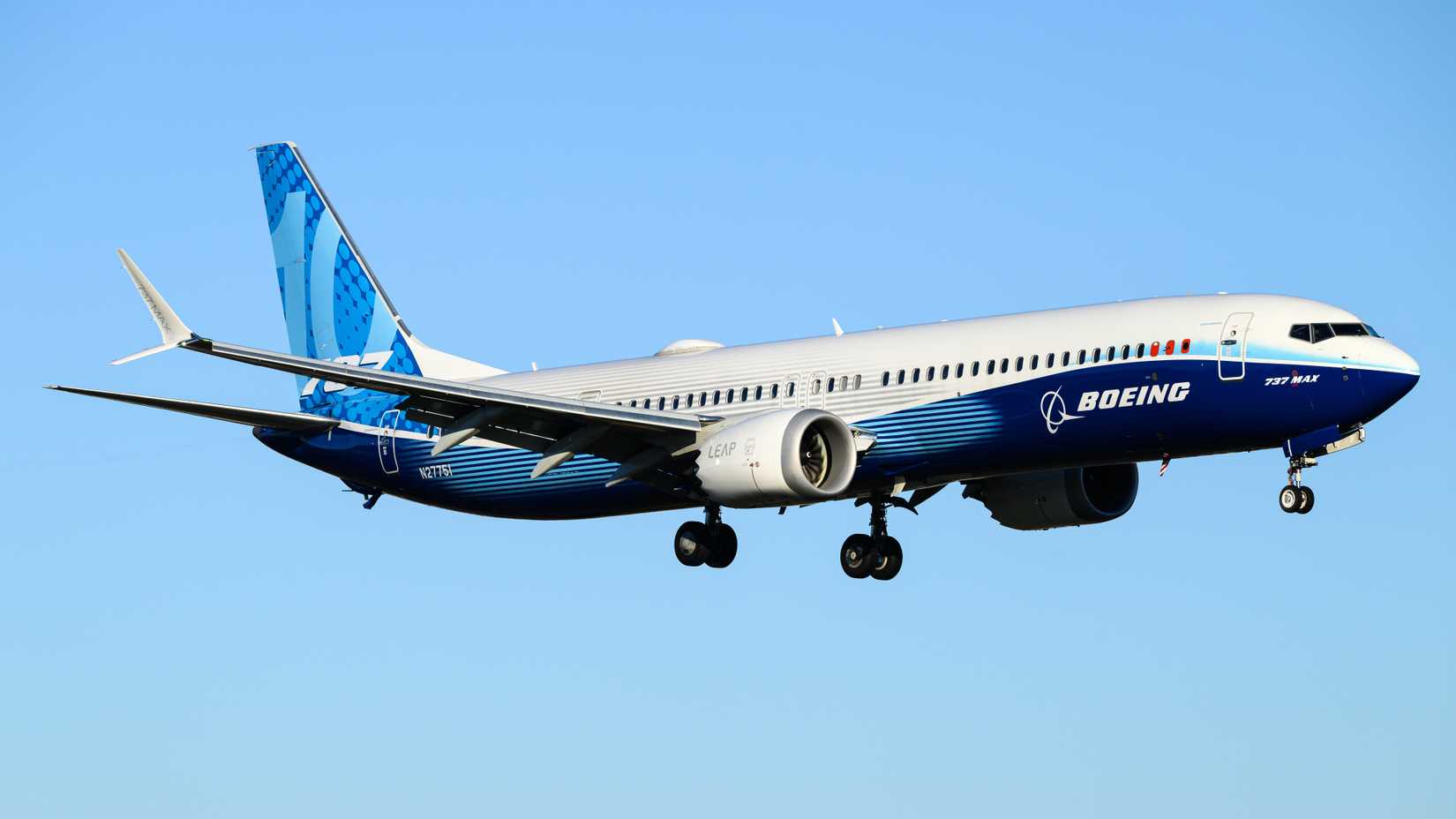
The Delta case also illustrates how winglet technology has become a competitive differentiator among airframe and modification suppliers. APB's exclusive licensing arrangement with Boeing for the 737 line, contrasted with Airbus's development of its own "sharklet" design—following a legal dispute over alleged design similarities—underscores how aerodynamic IP has become as commercially contested as engine or avionics technology. Notably, Boeing's newest-generation 737 MAX aircraft, including the MAX 10s Delta has on order for delivery beginning around 2027, feature yet another iteration: split-tip winglets with a more acute geometry and no gradual sweep transition, distinct from the retrofit split scimitar design used on NG-family jets. This means Delta's fleet will soon operate three distinct wingtip philosophies simultaneously across its narrowbody fleet—blended (on any aircraft not yet retrofitted), split scimitar (NG retrofits), and split-tip (MAX)—each with its own aerodynamic signature and performance data.
More broadly, this trend reflects the airline industry's incremental, multi-front approach to decarbonization and cost control amid slower-than-hoped progress on sustainable aviation fuel adoption and next-generation engine technology. Winglet retrofits offer airlines a relatively low-capital, high-return option to improve fuel efficiency on aircraft that will remain in service for years, particularly as supply chain constraints and certification delays push out MAX and widebody delivery timelines. For pilots and operators across commercial, business, and general aviation, the continued refinement of wingtip devices—from Learjets in the 1970s to today's Boeing Business Jets and retrofitted 737 Classics—signals that aerodynamic optimization remains an active, evolving discipline rather than a solved problem, with direct implications for performance planning, fuel economics, and long-term fleet strategy.












 Read original article