Bombardier delivers 200th Challenger 3500 | Corporate Jet Investor | CJI news
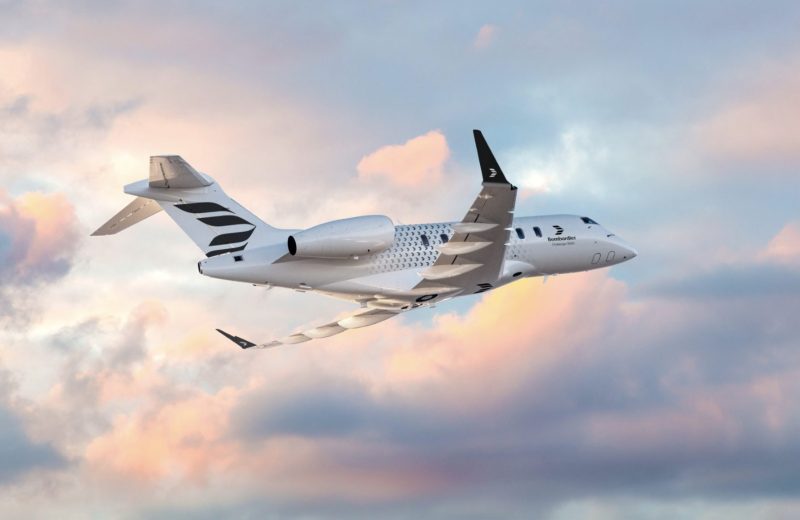
Bombardier's delivery of its 200th Challenger 3500 to Piero Ferrari, vice chairman of Ferrari, marks a significant production milestone for the Canadian manufacturer's super-midsize entrant less than four years after the aircraft's entry into service. Reaching the 100th delivery mark in October 2024 and doubling that figure in under a year signals a production ramp that few business jet programs achieve this quickly. Bombardier states the Challenger 3500 has out-delivered every other model in the medium and heavy categories since its first full year of deliveries in 2023, a claim that, if accurate across OEM reporting, positions the aircraft as the volume leader in a segment that includes strong competitors from Textron, Gulfstream, and Dassault. The high-profile delivery to Ferrari, an aircraft that will reportedly support Formula One travel and other corporate logistics, also reinforces the marketing value Bombardier derives from ultra-high-net-worth and corporate flag-bearer customers.
For working pilots and flight departments, the Challenger 3500's continued delivery momentum has direct operational implications. The aircraft carries forward the Challenger 350's well-regarded flight characteristics and Collins Pro Line Fusion avionics suite while adding the industry's first voice-controlled cabin and the Nuage seat, technology inherited from the flagship Global 7500. For pilots transitioning between Challenger variants, the type's continuity in flight deck architecture and handling qualities should ease type-rating transferability, though crews should expect incremental differences training modules addressing cabin management systems and updated avionics software. The strong uptake by major fractional and charter operators, including confirmed fleet commitments from NetJets, VistaJet, and BOND, means more line pilots across the charter and fractional ownership sector will be flying this specific variant, making familiarity with its systems and performance envelope increasingly relevant for pilots building super-midsize experience or transitioning from legacy Challenger 300/350 airframes.
The milestone also reflects broader trends reshaping business aviation fleet planning. Fractional and charter operators have been aggressively modernizing and standardizing fleets around fewer, more capable types to streamline training, maintenance, and scheduling efficiency, and the Challenger 3500's strong order book from NetJets and VistaJet fits this consolidation pattern. Additionally, Bombardier's emphasis on the aircraft's Environmental Product Declaration, part of a portfolio-wide sustainability push, underscores how environmental, social, and governance considerations are increasingly factored into corporate and fractional purchasing decisions, not just performance and cabin comfort. As sustainable aviation fuel availability and carbon offset programs become larger considerations for flight departments and corporate travel policies, manufacturers are leaning into documented environmental credentials as a competitive differentiator.
For operators and pilots evaluating future fleet additions, the Challenger 3500's delivery pace suggests sustained backlog and possibly extended lead times, a factor relevant to charter operators and corporate flight departments planning capacity expansions. The aircraft's success also intensifies competitive pressure in the super-midsize segment, likely prompting rival manufacturers to accelerate their own cabin technology and efficiency enhancements. Pilots and schedulers working across mixed fleets should anticipate the Challenger 3500 becoming an increasingly common sight on ramps and in charter marketplaces, reinforcing the importance of maintaining currency and familiarity with its specific systems as it cements its position as a category leader.