Textron Reports $1.54B Q2 Revenue, Focuses on Efficiency
Textron Aviation closed out the second quarter of 2026 with $1.54 billion in revenue, a modest 1% year-over-year gain, driven by deliveries of 40 business jets alongside continued strength in its turboprop and piston lines. The Wichita-based manufacturer, whose brands include Cessna, Beechcraft, and Hawker, characterized demand as robust and reported that its order backlog remains healthy heading into the back half of the year. Notably, the company highlighted tangible progress on workforce stabilization and supply chain performance—two persistent bottlenecks that have constrained production throughput across the business jet sector since the pandemic-era disruptions began. The emphasis on efficiency gains, rather than headline revenue growth, suggests Textron is now shifting its operational focus from simply managing backlog to converting that backlog into deliveries more predictably and profitably.
For pilots and flight departments, these results carry practical significance beyond corporate financial reporting. Sustained order backlogs at Textron Aviation translate directly into aircraft availability timelines—whether a flight department is awaiting a new Citation Longitude, Latitude, or CJ-series jet, or a King Air turboprop for a Part 135 charter fleet. Supply chain improvements matter acutely to operators already flying Textron aircraft, since parts availability and maintenance turnaround times have been a chronic pain point industry-wide, often grounding aircraft or delaying scheduled maintenance events. A manufacturer reporting workforce and supply chain gains signals potential relief on both new-aircraft lead times and aftermarket parts support, which directly affects dispatch reliability and fleet planning for operators running mixed Citation or Beechcraft fleets.
Textron's results also serve as a bellwether for the broader business aviation manufacturing landscape, which has wrestled with a persistent tension between strong demand—fueled by fractional ownership growth, charter expansion, and post-pandemic shifts toward private travel—and constrained production capacity. Labor shortages in skilled manufacturing trades, avionics supply delays, and engine/component backorders have plagued OEMs across the industry, from Textron to Bombardier to Gulfstream parent General Dynamics. Textron's relatively flat revenue growth despite strong demand underscores that production capacity, not order intake, remains the limiting factor for most business jet manufacturers in 2026. The company's public focus on internal efficiency rather than aggressive expansion suggests management believes the current backlog is sufficient to sustain multi-year production schedules without needing to chase additional bookings aggressively.
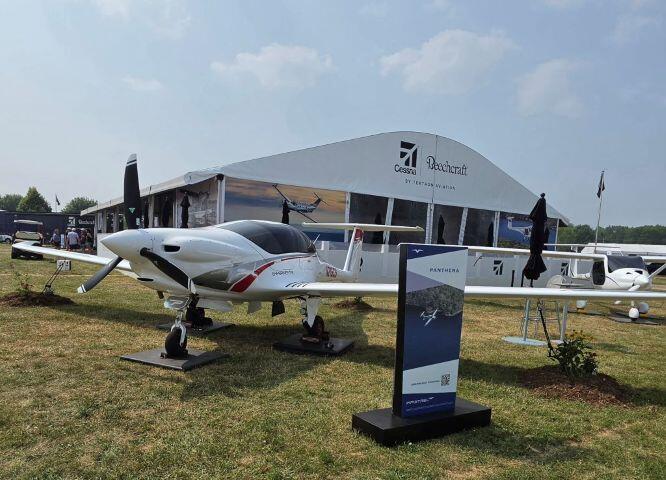
The Oshkosh AirVenture setting for this reporting context is itself notable, as Textron continues to use the show as a platform to reinforce its market position across the general aviation and business aviation segments simultaneously—spanning trainers, pistons, turboprops, and light-to-midsize jets. For corporate flight departments and charter operators evaluating fleet renewal or expansion decisions, Textron's steady performance signals continued OEM stability, but the efficiency narrative is a reminder that delivery timelines and aftermarket support quality—not just order books—will remain the key variables shaping aircraft acquisition planning through the remainder of 2026 and into 2027.







 Read original article