How Qatar Airways Turned Retired Widebodies Into A Backup Fleet To Cover Its Grounded Airbus A350s
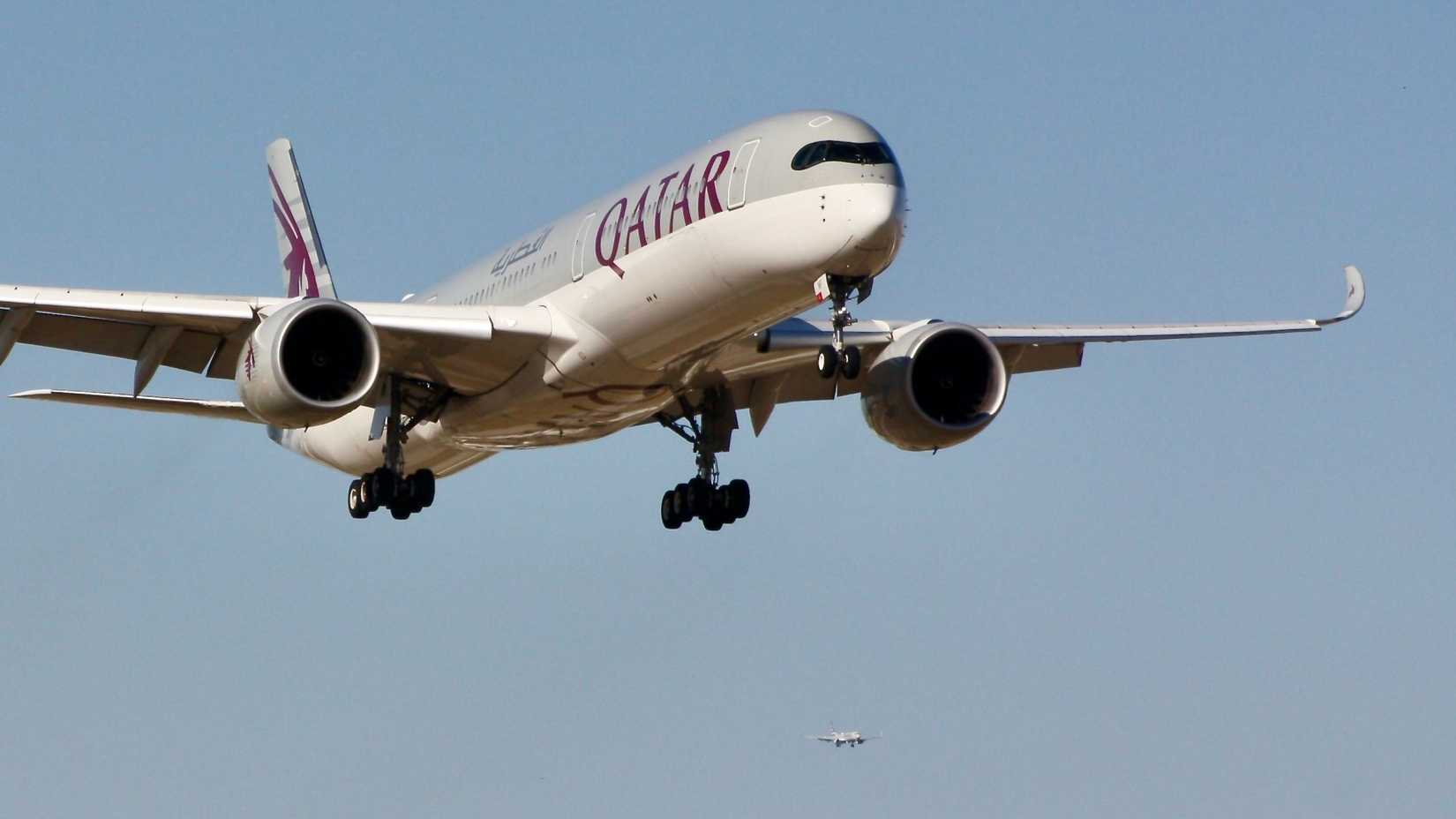
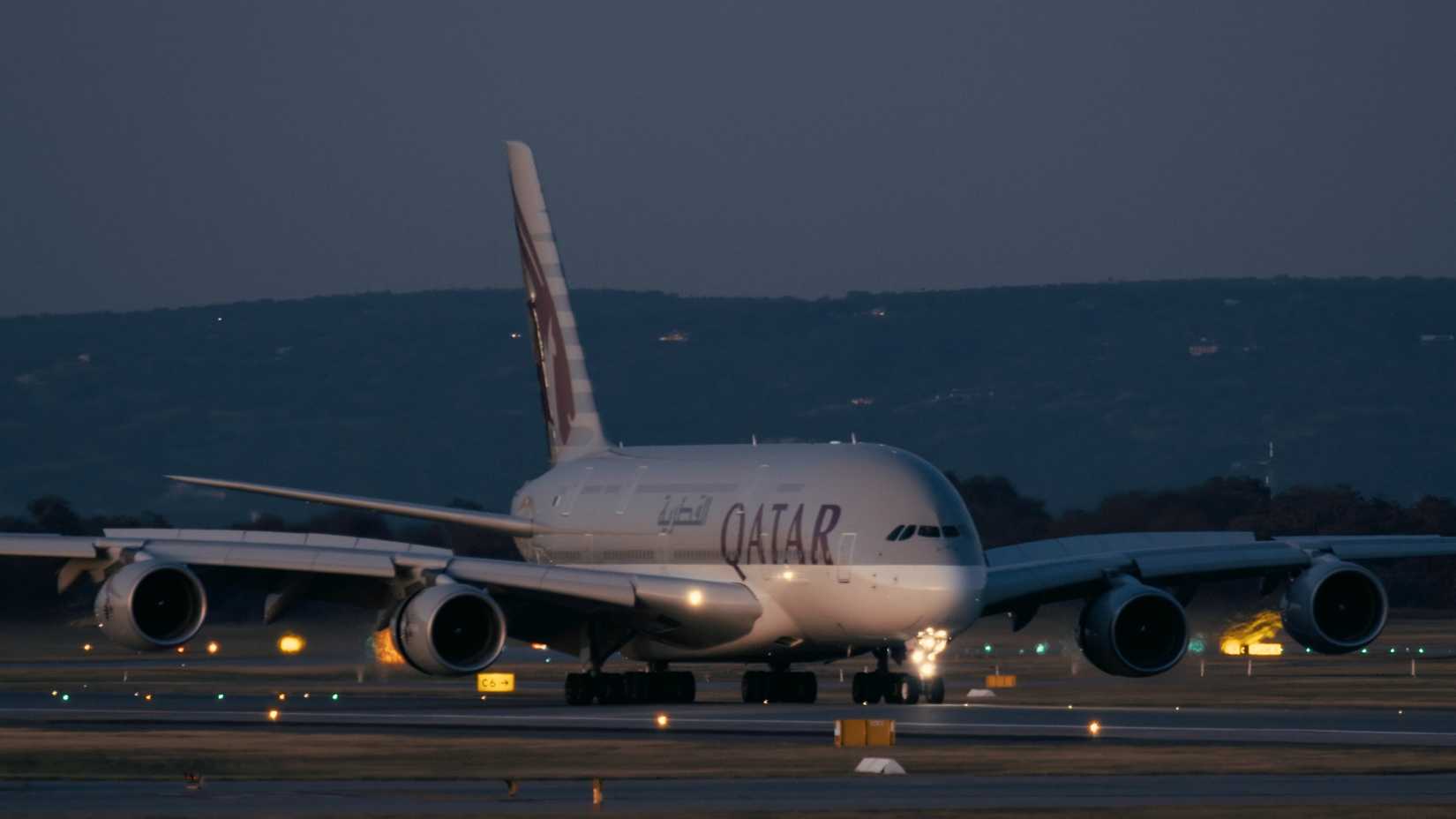
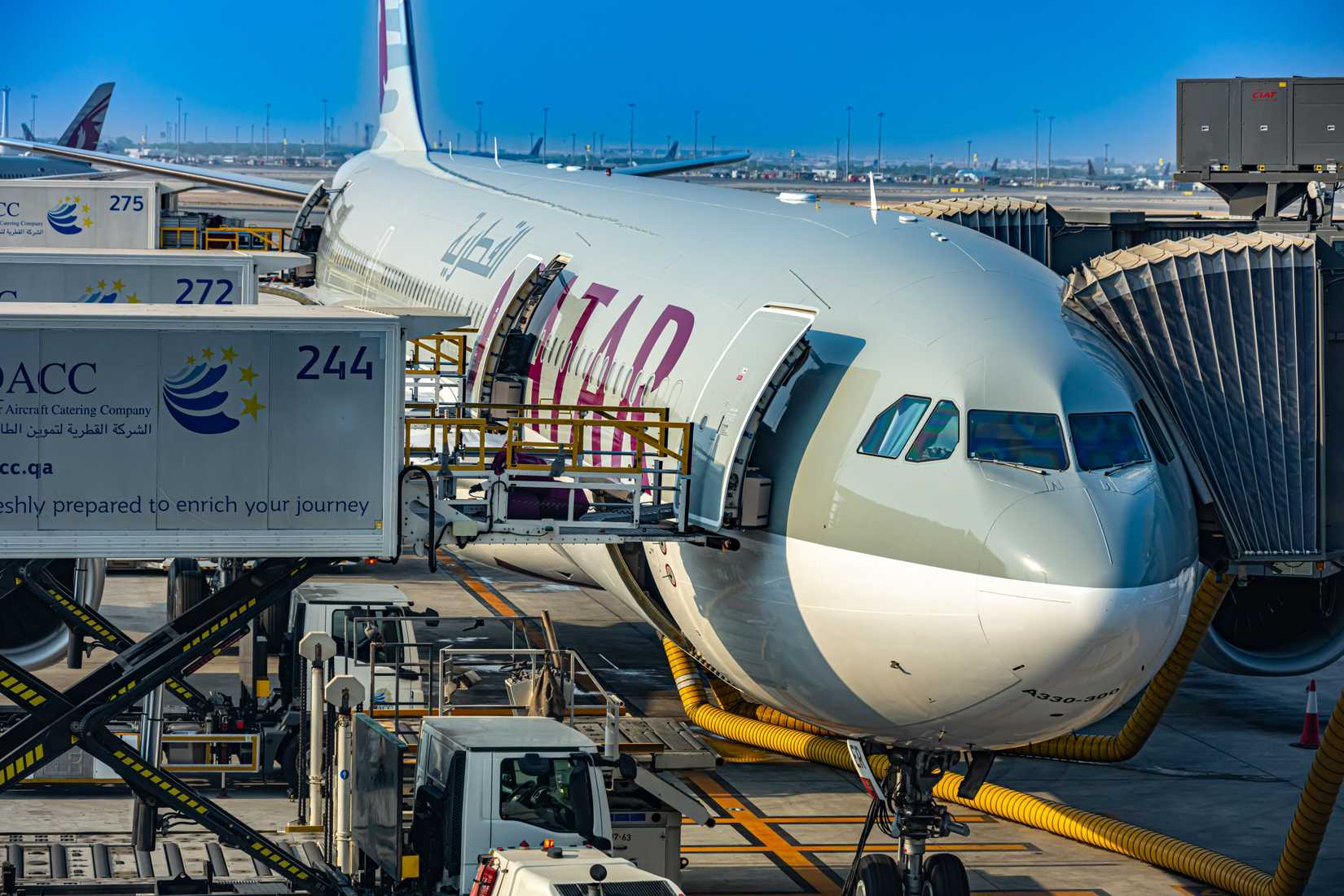
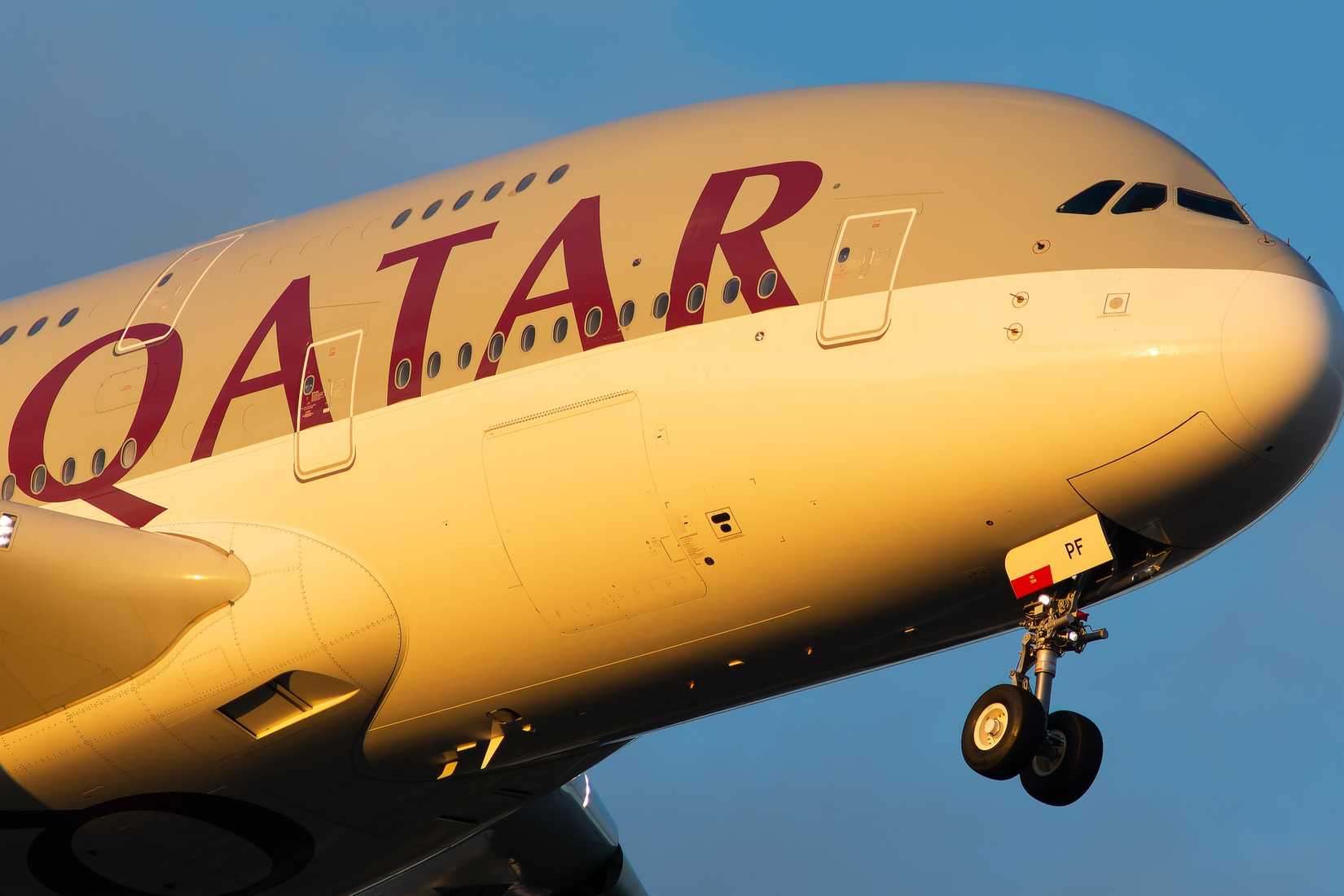
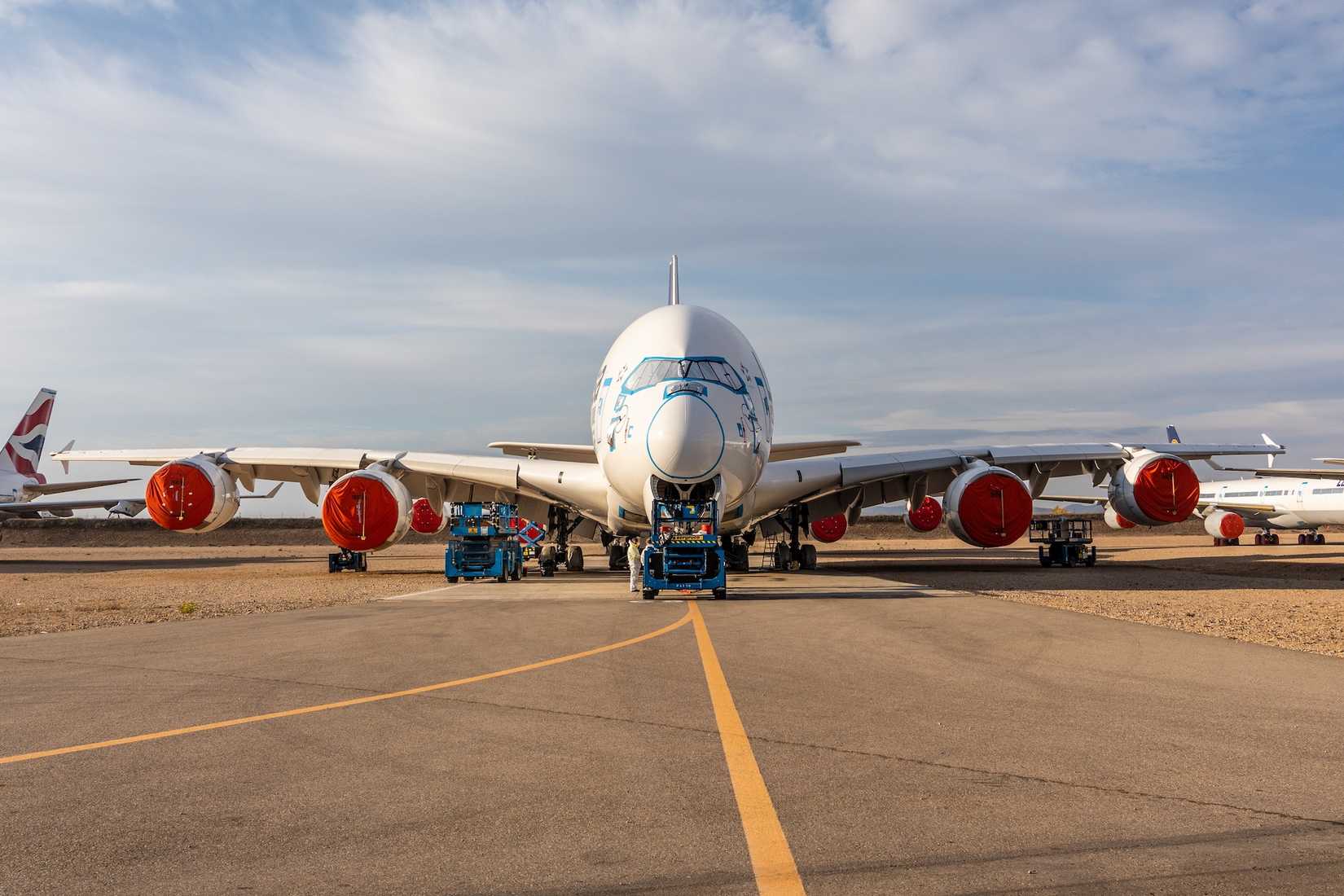
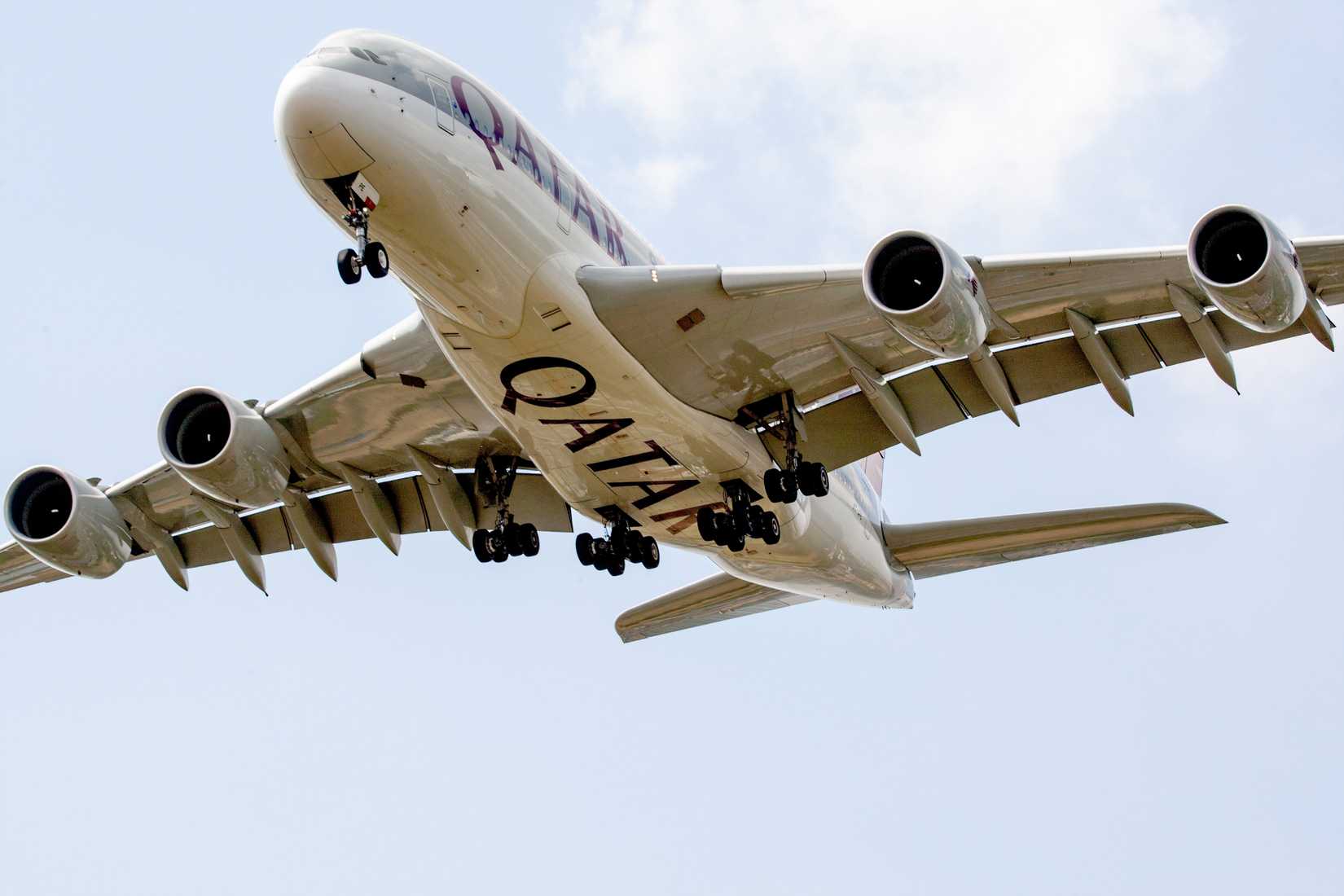
Qatar Airways' response to its 2021 A350 grounding crisis offers a instructive case study in fleet contingency planning under regulatory duress, and one that continues to resonate as airlines worldwide grapple with delivery delays, supply chain constraints, and manufacturer quality disputes. When the Qatar Civil Aviation Authority pulled nearly 29 A350s from service over fuselage paint degradation that exposed the composite airframe's embedded copper lightning-protection mesh, the carrier lost a substantial share of its long-haul widebody capacity almost overnight. Rather than accept market-share erosion on its premium trunk routes, Qatar Airways reactivated aircraft it had already written down financially and operationally: five stored A380 superjumbos and a sub-fleet of A330-200/300s previously slated for retirement in favor of 787s and A350s. The episode underscores how deeply Doha's hub-and-spoke connectivity model depends on widebody gauge rather than frequency, and how narrowbody substitution simply cannot replicate the range, belly-cargo volume, or premium cabin economics that long-haul corridors to North America, Europe, and Asia-Pacific require.
For working pilots, this story illustrates the operational whiplash that can accompany airworthiness directives on modern composite airframes, particularly when environmental factors like extreme desert heat cycling are implicated. Crews who had transitioned away from A380 and legacy A330 type ratings suddenly found those aircraft back on the line, requiring accelerated requalification, simulator refreshers, and in some cases entirely new crew complements to staff quad-engine operations that many carriers globally have been retiring rather than expanding. Maintenance and engineering departments faced an equally compressed timeline, executing full un-preservation protocols, C-checks, landing gear overhauls, and engine reactivations on aircraft that had been in desert storage under pandemic-era retirement plans. This kind of rapid reactivation is not trivial: aircraft parked for extended periods require extensive corrosion inspections, fluid replacements, and systems testing before they can safely reenter revenue service, and doing this at fleet scale under commercial pressure tests both maintenance organizations and regulatory oversight simultaneously.
The broader significance for the industry lies in what this reveals about widebody market inelasticity. With Airbus and Boeing both carrying multi-year backlogs on A350 and 787 programs, no carrier facing a sudden capacity shortfall can simply buy or lease its way out of trouble on short notice; the used and stored widebody market becomes the only viable release valve. This dynamic has grown more relevant industry-wide as airlines have dealt with Pratt & Whitney GTF engine inspections grounding narrowbody fleets, Boeing 737 MAX delivery delays, and now composite fuselage durability questions extending to the A350 program. Qatar Airways' willingness to resurrect the A380, an aircraft many executives had publicly disparaged as a financial misstep, demonstrates that even aircraft considered commercially obsolete retain strategic value as capacity insurance, particularly at slot-constrained airports like Heathrow and Charles de Gaulle where up-gauging is often the only way to add seats without new slot pairs.
For fleet planners, dispatchers, and operations executives across the industry, the episode reinforces the value of deferring full retirement or teardown of widebody assets even after they've been withdrawn from primary service. Storage-ready preservation, rather than immediate parting-out, preserves optionality that proved commercially decisive for Qatar Airways. As more airlines confront composite airframe durability questions, supply chain-driven delivery delays, and engine reliability issues affecting both new and legacy fleets, the lesson from Doha is that redundancy built into fleet planning, even redundancy considered financially embarrassing at the time, can become the difference between preserving network integrity and ceding market share to competitors during a prolonged grounding event.






 Read original article