373 Passengers Stranded For 10+ Without AC On Emirates A380 After Late-Night Diversion
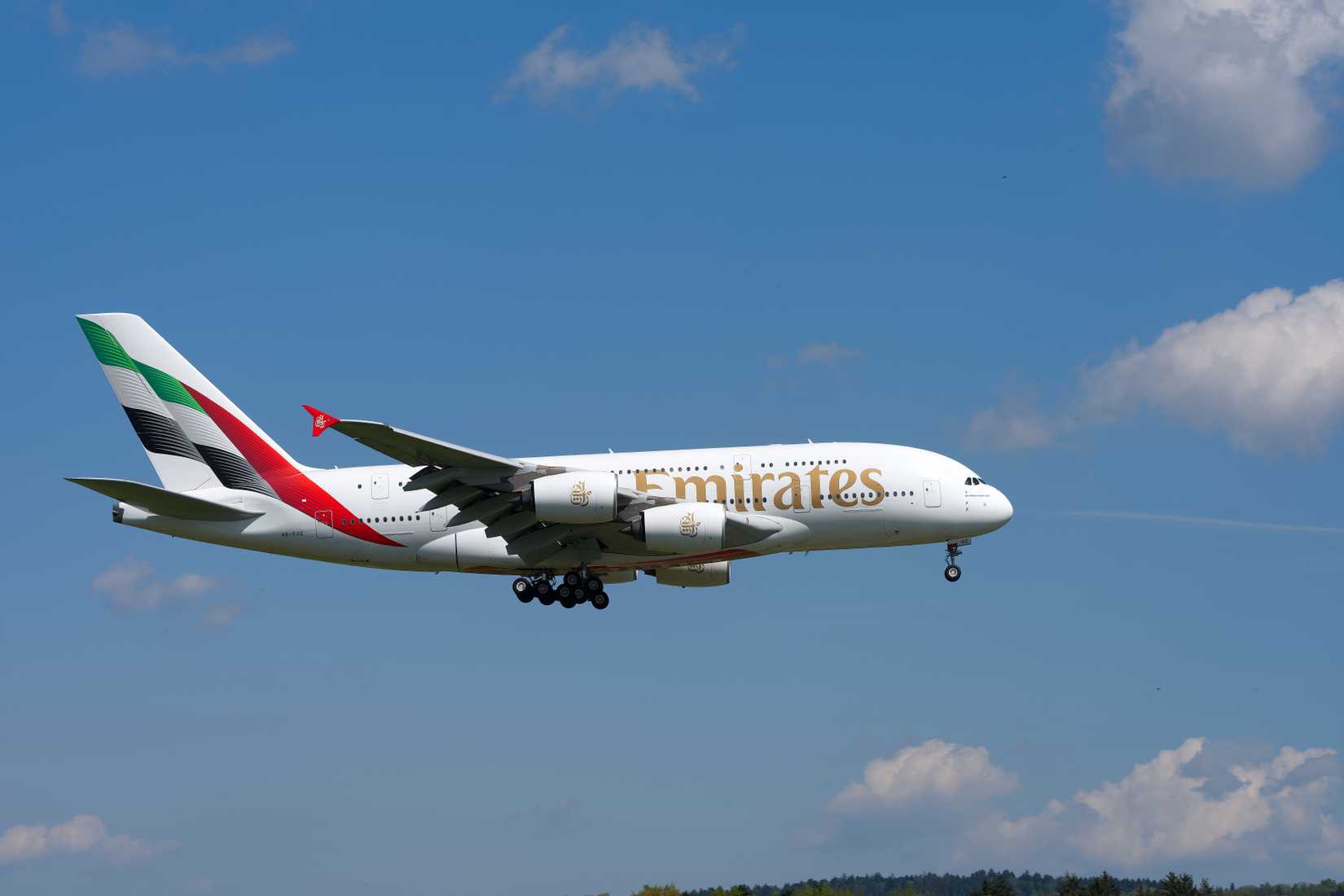
An Emirates Airbus A380 operating flight EK302 from Dubai to Shanghai became the center of an international incident after severe thunderstorms forced a diversion to Hangzhou Xiaoshan International Airport (HGH) on July 22, 2026. What began as a routine weather diversion—a common occurrence during convective season at capacity-constrained airports like Shanghai Pudong—turned into an extended ordeal when 373 passengers remained confined aboard the aircraft for more than ten hours, from roughly 9:00 PM local time until 7:30 AM the following morning. The core failure was not the diversion itself but the ground handling response: Chinese border inspection and immigration authorities were not positioned to process an unplanned international arrival, and passengers were reportedly told around 6:00 AM that they would need to wait further while arrangements were finalized. Compounding the delay, the aircraft's air conditioning reportedly failed to maintain adequate cabin temperatures overnight, leading to passengers using handheld fans, gathering near cabin doors, and at least one reported fainting incident.
For working pilots and flight crews, this event is a pointed reminder that the operational risk of a diversion often extends far beyond the landing itself. Flight crews are trained to manage weather avoidance and alternate airport selection, but once on the ground at an unplanned station, control shifts largely to factors outside the cockpit's authority—customs readiness, immigration staffing, ground power availability, and airport coordination. On a widebody like the A380, environmental control systems depend on either engine bleed air, the APU, or ground-supplied conditioned air once engines are shut down; if ground infrastructure at a diversion airport isn't equipped to support a large four-engine aircraft's ECS demands for an extended static period, cabin comfort can degrade quickly, especially in Shanghai's July heat and humidity. This puts pressure on captains and dispatchers to factor not just runway suitability and fuel reserves into alternate selection, but also an airport's practical capability to receive, process, and sustain an unscheduled international widebody arrival for many hours if needed.
The incident also highlights a recurring friction point in international operations: the mismatch between an airline's operational contingency planning and a host country's border control readiness. China's strict immigration and customs procedures, which normally function smoothly for scheduled arrivals, are not always structured for ad hoc diversions of this scale, particularly overnight when staffing may be minimal. This is not unique to China—many countries with tightly controlled borders present similar bottlenecks—but it underscores why airlines operating widebody international routes need pre-negotiated diversion protocols, APU/ground power contingency plans, and passenger welfare procedures (water, food, medical support, communication) built into their irregular operations manuals well before an aircraft lands at an alternate.
Broader industry context makes this episode particularly relevant. Regulators and passenger rights advocates in the EU, UK, and US have increasingly scrutinized tarmac delays, with rules like the US three-hour/four-hour tarmac delay limits (which don't apply to this Dubai-Shanghai flight but shape global industry norms) driving airlines toward more proactive deplaning procedures. As extreme weather events grow more frequent and intense—a trend affecting summer thunderstorm activity across major Asian hubs—airlines flying widebody equipment into weather-sensitive regions will face more of these scenarios. Expect this incident to fuel renewed discussion among carriers and airport authorities about pre-positioned mobile stairs, portable ground air conditioning units, and streamlined ad hoc immigration processing agreements, all of which are operationally relevant considerations for dispatchers, ground operations planners, and flight crews scheduling into high-weather-risk international destinations.










 Read original article