Air Canada Latest To Introduce Basic Business Class Fare With New Restrictions
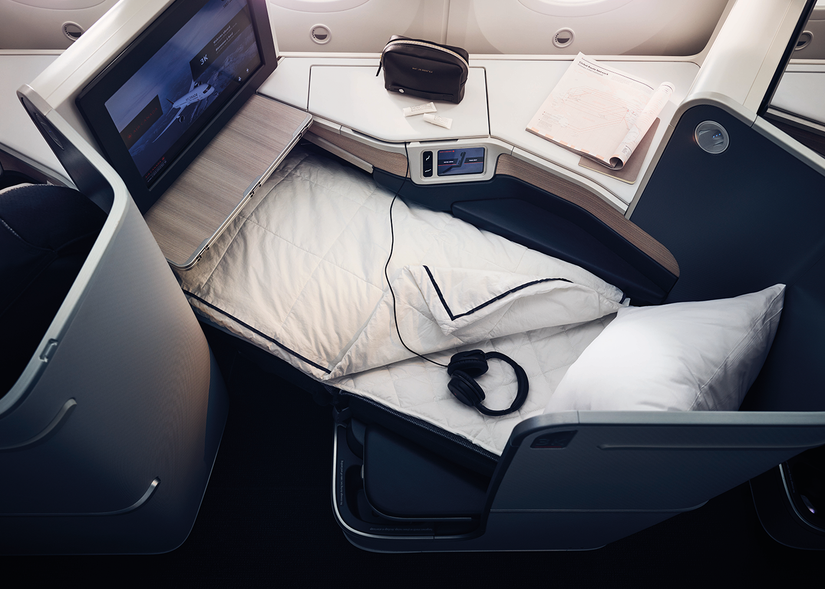
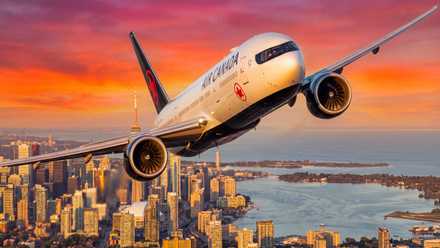
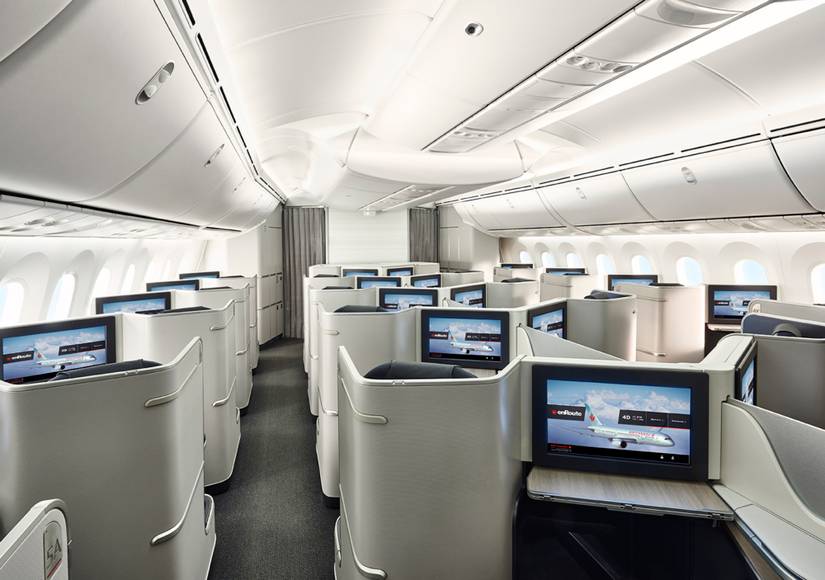
Air Canada has become the latest major carrier to fragment its premium cabin pricing structure, introducing "Business Classic Basic" and "Premium Economy Basic" fare categories on international routes to the Caribbean, Latin America, Mexico, South America, and on transatlantic services covered by its joint venture with United Airlines and Lufthansa Group. The move mirrors a broader industry pattern already established by United, Lufthansa, and other global carriers, effectively creating a segmented, à la carte pricing model within cabins that were traditionally sold as a single, fully-inclusive product. Passengers booking these new basic fares will still receive core premium amenities—meals, entertainment, priority boarding, priority baggage handling, and Aeroplan points/status accrual—but will lose refundability, face change fees, and must pay separately for seat selection. Business Classic Basic travelers retain lounge access, though notably excluded from Air Canada's flagship Signature Suites at Toronto Pearson and Vancouver, while Premium Economy Basic passengers get no lounge access at all.
For working pilots and flight crews, this development is less about operational impact and more a signal of where commercial airline economics are heading, and it's worth understanding as context for the broader business model shifts reshaping the industry that employs them. Basic fare tiers in premium cabins represent airlines' continued efforts to capture incremental revenue through unbundling—a strategy pioneered in economy class over the past decade with "Basic Economy" fares that now extend upmarket as premium demand strengthens post-pandemic. Airlines are betting that leisure and price-sensitive business travelers still want the physical comfort and onboard experience of business or premium economy seating but are willing to sacrifice flexibility and ancillary perks to access lower price points. This has direct implications for revenue management, crew scheduling assumptions, and load factor forecasting, since a cabin that once had relatively uniform fare rules now contains multiple sub-products with different refund policies, upgrade eligibility, and lounge access—complicating gate agent and flight attendant interactions with passengers who may have different expectations of what their premium ticket includes.
The timing reflects a broader recovery and evolution in premium travel demand. Airlines worldwide have observed that premium cabin revenue has outpaced economy growth in recent years, driven by corporate travel policies increasingly favoring premium economy over full business class for cost control, along with leisure travelers "trading up" using loyalty points or cash for enhanced comfort on long-haul international routes. By introducing a basic tier rather than simply raising baseline fares, Air Canada and its peers can capture price-sensitive premium-seeking travelers who might otherwise book full-fare economy or competitor airlines, while preserving higher-margin, fully flexible fares for corporate accounts and last-minute business travelers who need refundability and complimentary seat selection. This tiering strategy also aligns partner airlines within joint ventures and alliances, standardizing the customer experience across codeshare itineraries—an operational and marketing necessity as Star Alliance carriers increasingly coordinate transatlantic and international product offerings.
This shift matters to corporate flight departments and business aviation operators indirectly but meaningfully: as commercial carriers erode the once-clear value proposition of "business class equals full flexibility and full service," the differentiation gap between premium commercial travel and private/business aviation may narrow in perceived value for time-sensitive corporate travelers, even as it widens in actual cost. Flight departments benchmarking travel policies, and charter operators marketing against commercial premium alternatives, should note that commercial business class is becoming a more complex, tiered product requiring careful comparison of total cost versus flexibility—a dynamic that could influence corporate travel policy decisions and reinforce arguments for business aviation's simplicity and consistency. More broadly, this fare unbundling trend underscores how thoroughly ancillary revenue strategies have permeated every cabin class industry-wide, a trend pilots and industry professionals should expect to see deepen rather than reverse as airlines continue optimizing yield management across increasingly granular fare buckets.







 Read original article