How Much Does A Boeing 747 Engine Cost?
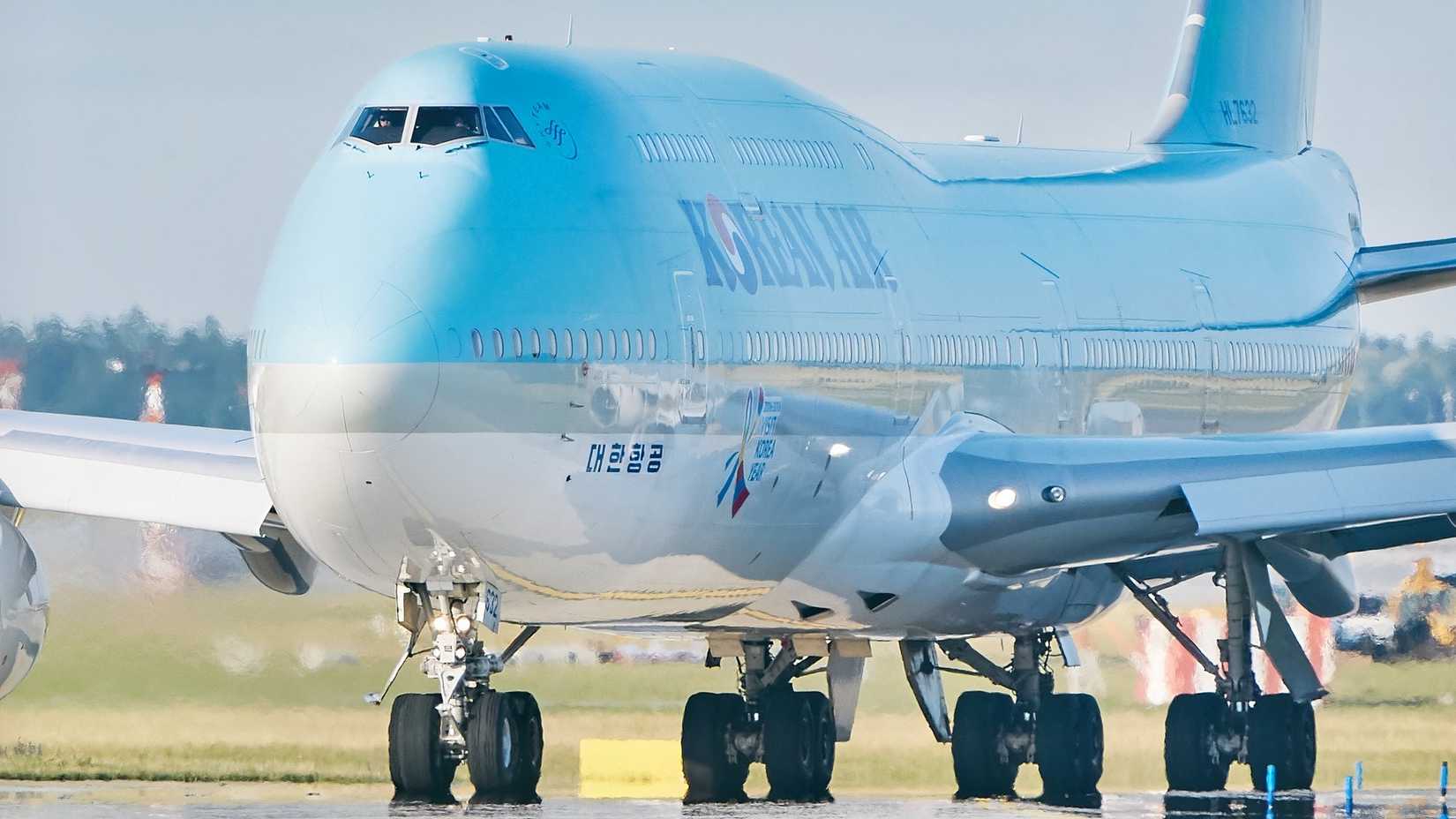
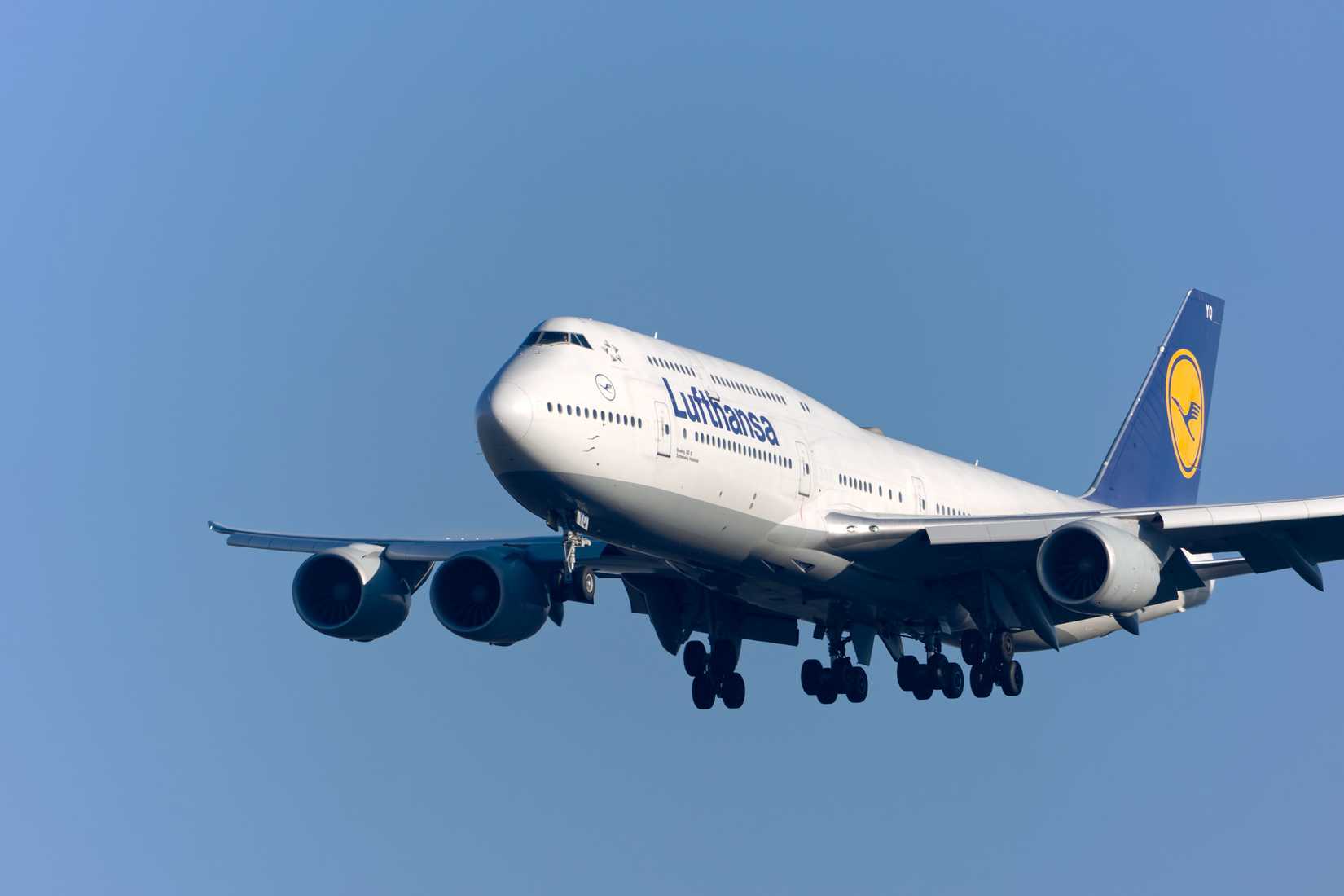
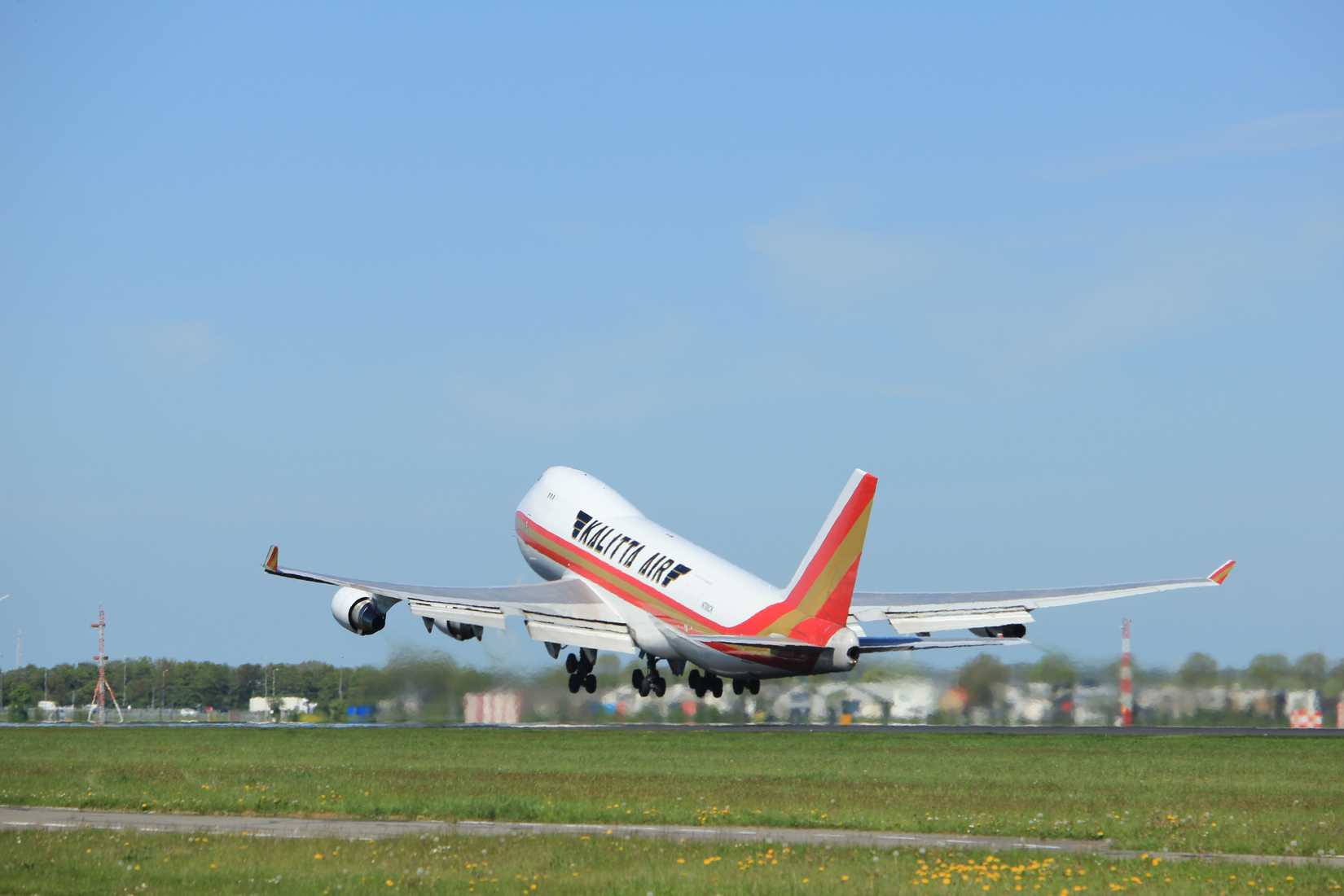
The economics of Boeing 747 powerplants reveal a stark two-tier market that reflects the aircraft type's own bifurcated life cycle: a shrinking fleet of legacy 747-400s soldiering on with 1990s-era CF6, PW4000, and RB211 engines, and a smaller but growing fleet of 747-8 freighters running GEnx-2B units at the front edge of large-engine technology. A new GEnx-2B67 carries a list price of $25-30 million, meaning a full four-engine shipset can approach or exceed a quarter of the aircraft's total value. By contrast, a used but airworthy CF6-80C2 or PW4056 can trade for as little as $1-8 million depending on remaining cycles, and operators increasingly treat these older engines as consumable, part-out assets rather than long-term investments worth overhauling. That divergence—where an overhaul on a 747-400 engine can literally exceed the market value of the airframe—is why so many cargo operators continue flying 747-400 freighters well past their expected retirement dates rather than absorb the capital cost of upgrading.
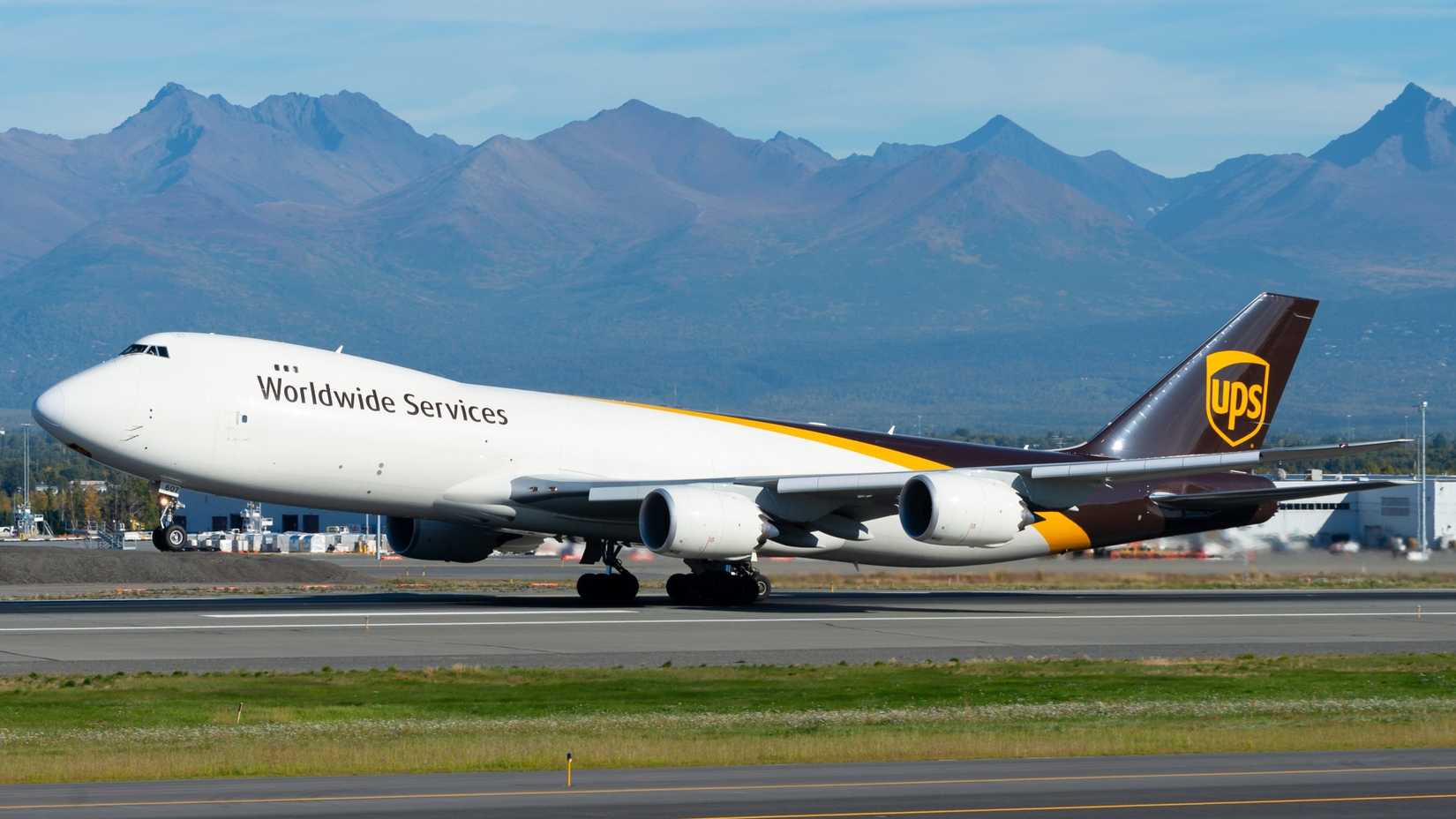
For working pilots and flight departments, these figures are more than a curiosity; they explain operational and maintenance realities felt on the line. Engine economics drive dispatch reliability, MEL decisions, and the frequency of unscheduled removals that pilots see firsthand. Crews flying older 747-400 freighters for carriers still operating CF6- or PW4000-powered aircraft are increasingly flying engines nearing the end of their life-limited-parts cycles, as the secondary market for high-quality used cores dwindles. This matters directly to line pilots because engine-related diversions, in-flight shutdowns, and unscheduled maintenance events tend to cluster in aging fleets where operators are stretching engine life to avoid a multi-million-dollar overhaul that no longer pencils out against the aircraft's residual value. Pilots at cargo operators such as Atlas Air, meanwhile, are experiencing the flip side: a documented improvement in dispatch reliability and reduced unscheduled maintenance on GEnx-powered 747-8s, which executives credit directly to the higher acquisition cost buying superior technical reliability.
The financing structure behind these engines is equally relevant to how airlines plan crew training, route assignments, and fleet retirement timelines. The shift toward power-by-the-hour agreements—typically $250-450 per engine flight hour paid to the manufacturer instead of a large capital outlay—transfers risk of catastrophic repair costs from the airline to the engine OEM, giving carriers predictable monthly costs. This financial engineering increasingly determines which aircraft an airline chooses to keep flying, which indirectly shapes pilot bidding, base assignments, and fleet-type training investment. As sustainability regulations tighten in 2026, engines like the GEnx-2B, with its 15% fuel-burn advantage, are also becoming compliance tools, not just mechanical assets—meaning operators of older 747-400s may face growing regulatory and economic pressure that accelerates retirement timelines regardless of remaining airframe life.
More broadly, this pricing dynamic mirrors trends across commercial aviation, where engine values increasingly outstrip airframe values and where OEMs capture greater lifecycle revenue through maintenance and leasing arrangements rather than pure hardware sales. The same power-by-the-hour and green-time secondary-market dynamics playing out on the 747 are visible across the 777, A330, and even business jet turbofan markets, where engine reliability and parts availability—not airframe age alone—dictate an aircraft's true operational lifespan. For pilots and operators across all segments, the 747 engine market serves as a preview of what awaits any aging widebody or long-range aircraft: a point where the airframe may still be airworthy, but the economics of keeping its engines alive ultimately decide whether it keeps flying.









 Read original article