AeroAngel Moves Into New Headquarters In Colorado
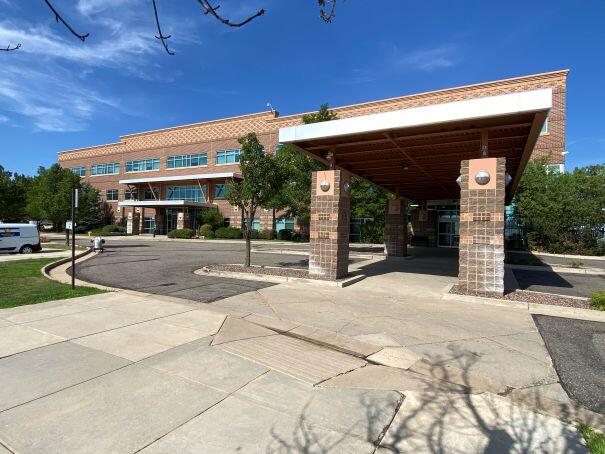
AeroAngel, the Colorado-founded charitable flight organization that arranges free private jet transportation for critically ill children, has relocated its headquarters to Centennial Airport (APA) in Englewood, Colorado, taking up residence in the One InterPort office building owned by Modern Aviation. The move carries symbolic weight for the nonprofit: APA was the departure point for AeroAngel's very first mission back in 2010, and founder Mark Pestal—a former assistant U.S. attorney and commercial pilot—has built the organization into a significant player in the medical-flight charity space, coordinating $2.7 million in donated flights over the past year alone and surpassing 500 total missions since inception. The new space, previously occupied by charter brokerage ONEflight International before that firm relocated within the airport, reflects Modern Aviation's continued support of AeroAngel through its network of 19 FBOs nationwide.
For working pilots and business aviation operators, AeroAngel's growth and expansion illustrate the vital role that charitable flight coordination plays within the broader Part 91/135 ecosystem. Organizations like AeroAngel depend entirely on donated aircraft time, fuel, crew hours, and FBO support from operators, fractional providers, and individual owner-pilots willing to fly repositioning legs or dedicate downtime to humanitarian missions. Pilots who volunteer for these missions gain unique flying experience involving medically fragile passengers, tight scheduling windows, and coordination with ground medical teams—skills increasingly valued as more flight departments formalize community-service and ESG-oriented flying programs. The relationship between AeroAngel and Modern Aviation also underscores how FBO chains are leveraging their footprint to support philanthropic aviation initiatives, a trend that strengthens goodwill within local airport communities and enhances the public image of business aviation at a time when the industry faces scrutiny over environmental and equity concerns.
AeroAngel's announcement of a $10 million capital campaign, aimed partly at acquiring a dedicated Embraer Phenom 300 for faster patient transport, signals a maturation point common to many aviation charities: the transition from relying solely on donated third-party lift to owning dedicated aircraft. This shift mirrors patterns seen in other medical and humanitarian flight organizations, such as Corporate Angel Network and Angel Flight, which have similarly grappled with the tradeoffs between donor-flown missions and owned fleets. A dedicated light jet would give AeroAngel more control over scheduling, cabin configuration for medical needs, and mission reliability, but it also introduces fixed costs—maintenance, insurance, crew, hangar space—that donation-based models typically avoid. How AeroAngel manages this transition will be instructive for other regional charities considering similar fleet investments.
More broadly, the story fits into a recurring narrative in business aviation: the sector's philanthropic infrastructure is expanding alongside its commercial growth, with FBOs, charter brokers, and fractional operators increasingly formalizing partnerships with medical-flight charities as part of community relations and crew engagement efforts. For flight departments and charter operators evaluating volunteer or donation programs, AeroAngel's trajectory—from a single 2010 mission out of Centennial to a 500-mission organization now planning its own jet acquisition—offers a tangible example of how sustained industry support, FBO partnerships, and dedicated leadership can scale a charitable aviation mission over 15 years.








 Read original article