Dovetail Partners With Spain’s SCP Sintersa On Battery Pack Manufacture
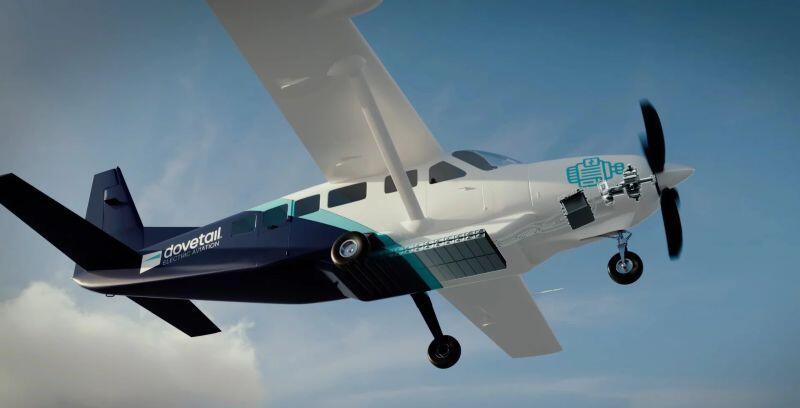
Dovetail Electric Aviation has entered a partnership with SCP Sintersa, a Spanish aircraft electrical systems specialist, to explore manufacturing of the battery packs that will power its DovePower electric propulsion system. Dovetail, which operates across Australia and Spain, is developing DovePower as an integrated electric propulsion unit paired with its proprietary DovePack energy storage system. The arrangement with SCP Sintersa gives the startup access to an established European supplier with existing expertise in aircraft electrical systems, a pairing that suggests Dovetail is moving from pure R&D toward establishing a credible industrial supply chain for eventual certification and production. While details remain limited given the subscription-gated nature of the original report, the move reflects a broader pattern among electric aviation startups: rather than attempting to vertically integrate every component in-house, companies are increasingly partnering with specialized manufacturers who already understand aerospace-grade quality, certification, and production standards.
For working pilots and operators, this development is a reminder that the electric propulsion supply chain is still being assembled piece by piece, well before these systems reach revenue service. Battery pack manufacturing partnerships like this one are a leading indicator of how seriously a startup is approaching the realities of aerospace production — battery packs for aircraft must meet far more stringent thermal, vibration, crashworthiness, and certification requirements than automotive or grid-storage batteries, and few new entrants have in-house capability to build them at scale. Operators evaluating future electric aircraft, whether for training fleets, regional air mobility, or short-haul cargo, should watch these supplier relationships closely, since battery sourcing and manufacturing maturity is often the long pole in the tent for certification timelines and eventual fleet reliability.
More broadly, this partnership fits into the ongoing consolidation and maturation phase of the electric and hybrid-electric aviation sector. After several years of headline-grabbing prototype unveilings and funding announcements, the industry is now shifting toward the less glamorous but more consequential work of industrializing production: securing suppliers, locking in manufacturing processes, and building the kind of dual-source, geographically diversified supply chains that regulators and airline customers expect. Spain, with an established aerospace manufacturing base and companies like SCP Sintersa already embedded in aircraft electrical systems work, is positioning itself as a node in this emerging electric propulsion supply chain, alongside more traditional aerospace clusters in the US, UK, and France.
For business aviation and advanced air mobility stakeholders, Dovetail's progress is also a bellwether for how retrofit and clean-sheet electric propulsion programs are structured commercially. Startups without the balance sheets of Airbus or Boeing must lean heavily on partnerships to de-risk manufacturing scale-up, and deals like this one signal to investors, regulators, and potential launch customers that a program is advancing beyond conceptual design. Pilots and fleet planners tracking the eVTOL and electric fixed-wing space should treat supplier announcements as one of the more reliable proxies for program health, particularly as the sector separates credible near-term entrants from those still years away from a certifiable, manufacturable product.








 Read original article