This Airline Has The World’s Best Economy Class Seat In 2026
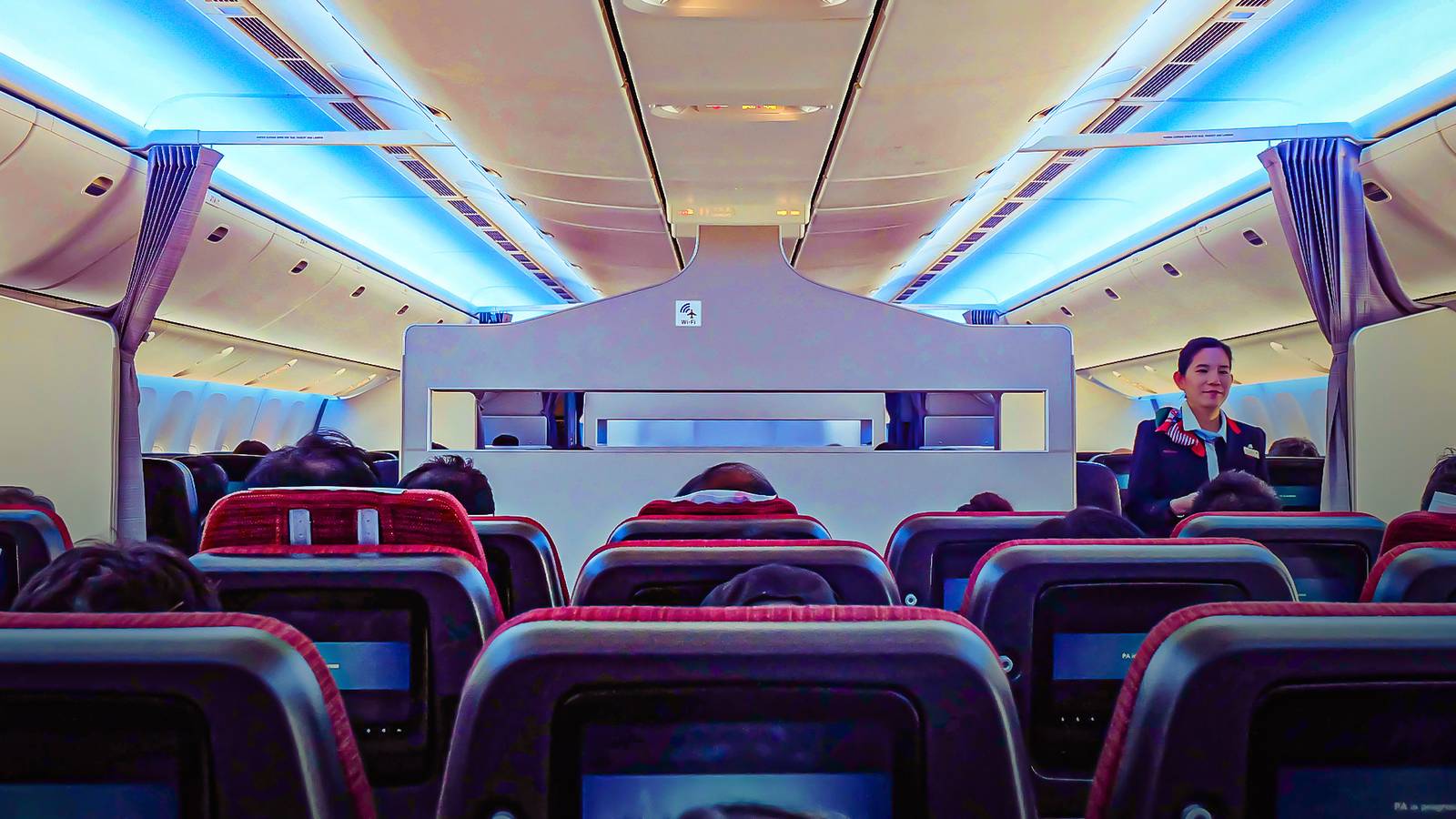
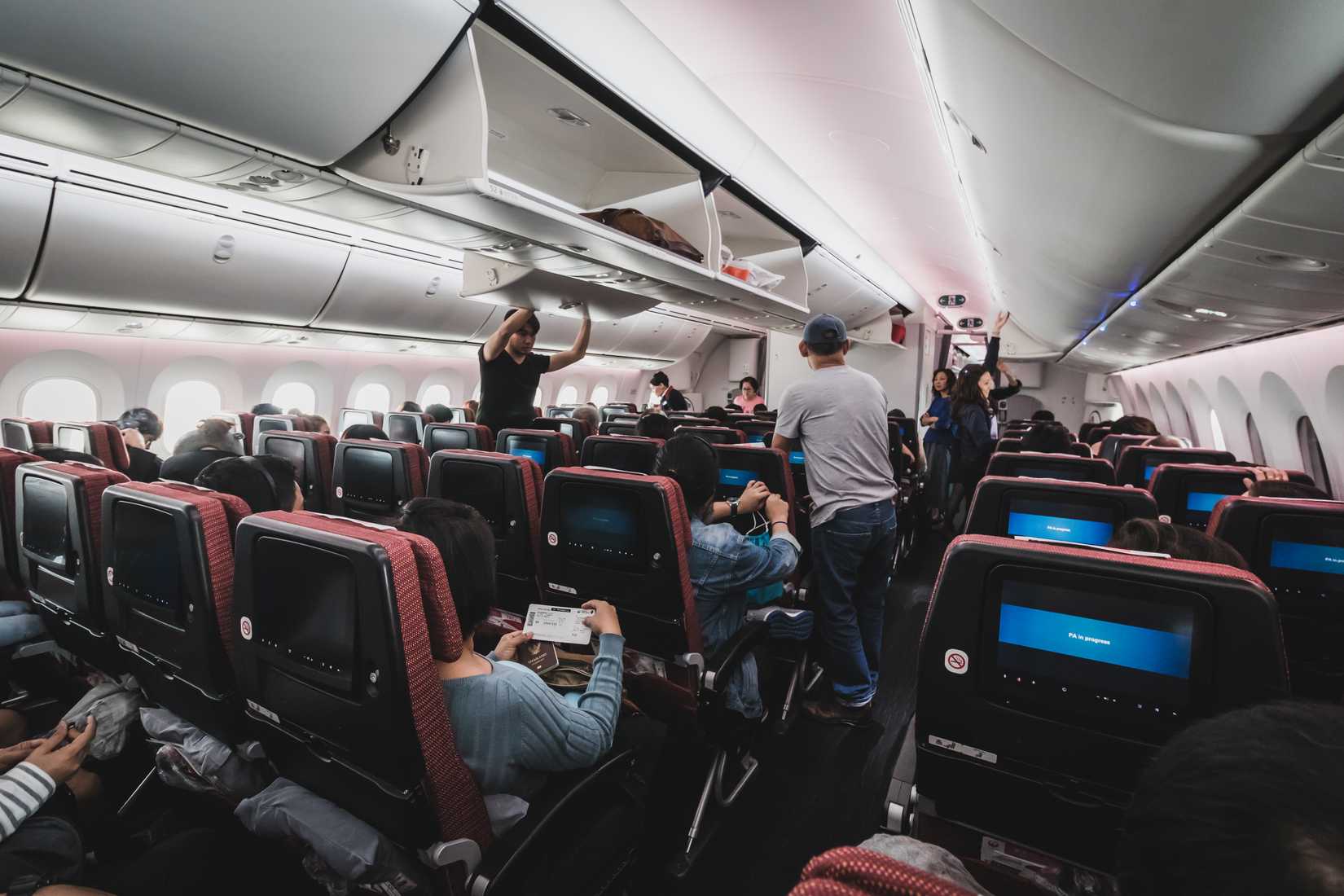
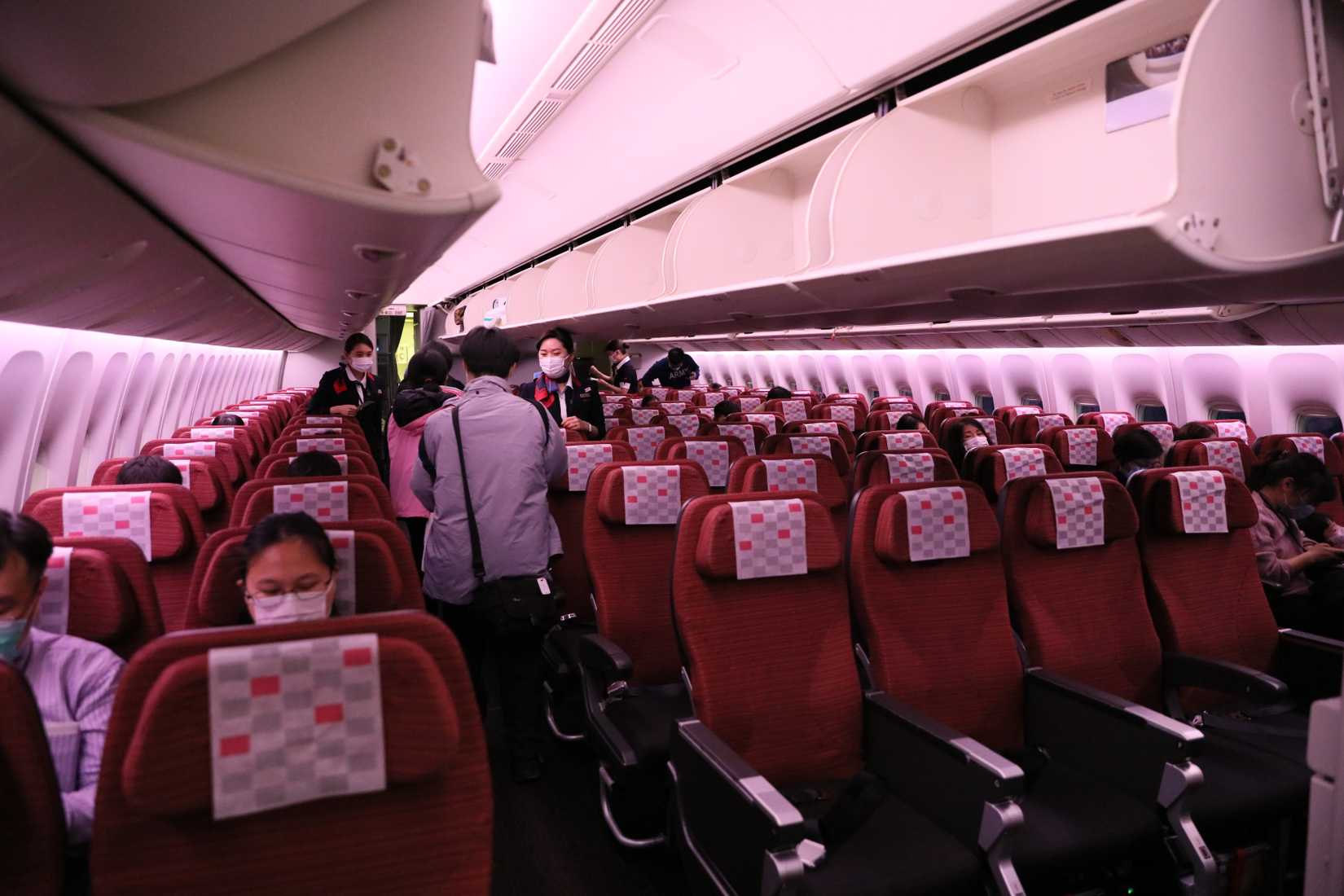
Japan Airlines' repeated recognition atop Skytrax's economy class seat rankings—now six consecutive years for its combined economy and premium economy achievements, and the third specific win for Best Economy Class Airline Seat as of 2025—reflects a deliberate hardware and service strategy rather than a one-off product cycle. The airline operates three distinct economy seat platforms (the A350-1000's newly designed seats, the JAL SKY WIDER product on 787s, 777-300ERs, and 767-300ERs, and RECARO-built seats on the 787-8 and 737-800), each tuned to different passenger priorities. The A350-1000 seat that won the 2025 award pairs a 3-3-3 layout with 84-86 cm pitch and a 13-inch 4K screen, while the Sky Wider seats on the 777 and 787 actually exceed the A350 in width (47-48 cm versus 46 cm), illustrating that JAL is optimizing across multiple dimensions of comfort—pitch, width, screen size, and seatback engineering—rather than chasing a single metric. For flight crews and cabin operators, this level of product differentiation across fleet types is operationally significant: it requires training, catering, and service consistency to scale across seven different aircraft/seat combinations while maintaining the 5-Star Skytrax rating, which explicitly rewards consistency across cabin types rather than a single standout cabin.
For working pilots and aviation professionals, this story is less about the hardware itself and more about what it signals regarding airline competitive strategy in long-haul markets. Economy class has increasingly become a battleground for premiumization, with carriers recognizing that cabin experience drives loyalty and yield management even in the back of the aircraft. JAL's premium economy product—featuring a sliding recline mechanism that doesn't intrude on the passenger behind, a three-step footrest, center dividers, and a 12.1-inch touch screen—borrows design philosophy typically reserved for business class, blurring the line between cabin classes. This matters to flight operations and network planning teams because premium economy has become one of the fastest-growing revenue segments industry-wide, and JAL's investment demonstrates how legacy carriers are using cabin product to justify fare premiums and compete against both low-cost long-haul entrants and Middle Eastern/Asian mega-carriers known for service excellence (Singapore Airlines, ANA, Emirates).
The broader trend here connects to widening bifurcation in commercial aviation cabin strategy: airlines are simultaneously densifying standard economy on some fleets while investing heavily in differentiated "economy-plus" and premium economy tiers to capture higher-yield leisure and business travelers who won't pay for full business class but want meaningfully more space and service. JAL's data—10 cm of additional legroom in premium economy, adjustable footrests, noise-canceling headphones, lounge access—shows the tangible product levers airlines are pulling to justify this stratification. For pilots and flight operations personnel, this trend has downstream effects on aircraft configuration decisions, weight and balance considerations (denser premium economy cabins with more hardware), turnaround times affected by cabin service complexity, and even route economics, since these configurations are typically deployed on long-haul international routes where cabin product most directly influences booking decisions.
Finally, the consistency angle—JAL holding 5-Star Skytrax status for seven consecutive years—speaks to an operational discipline that extends well beyond seat design into crew training, service delivery, and product maintenance across a mixed fleet. For operators and airline management watching this space, JAL's approach offers a case study in how sustained investment in cabin experience, verified through third-party benchmarking like Skytrax, can become a durable brand differentiator in a commercial aviation market where schedule, price, and route network are increasingly commoditized. As business aviation and commercial carriers alike navigate rising passenger expectations post-pandemic, JAL's economy and premium economy strategy underscores that comfort innovation is no longer confined to premium cabins—it's a full-cabin competitive imperative.







 Read original article