EASA Certifies Arriel 2K Engine For Leonardo AW09
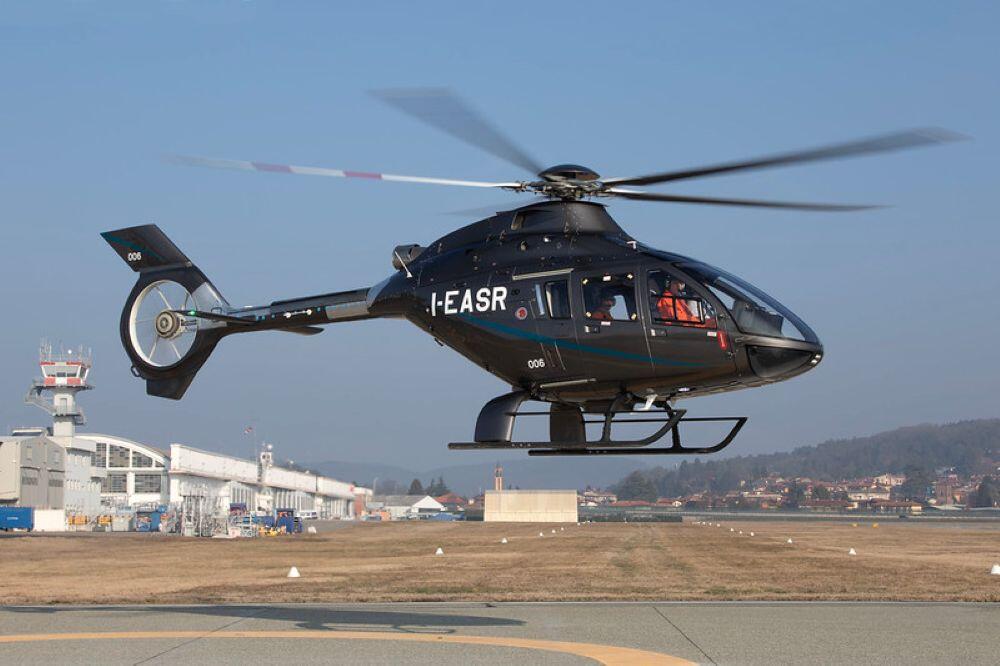
Safran Helicopter Engines has secured EASA certification for its Arriel 2K turboshaft, clearing a critical hurdle for Leonardo's AW09 single-engine light helicopter program. The Arriel 2K, rated in the 1,000-shp class, is the latest iteration of Safran's long-running Arriel family, a lineage that has powered a wide swath of the light and intermediate helicopter market for decades, including variants used on the AS350/H125 Ecureuil family and other Airbus Helicopters products. Engine certification is typically a gating milestone in a rotorcraft program, since the airframe cannot receive its own type certificate until the powerplant that drives it has been validated by the regulator. With the Arriel 2K now approved, Leonardo's path toward full AW09 certification narrows to completing the remaining flight-test and compliance work on the airframe itself.
For working pilots, particularly those in the single-engine light and medium helicopter segment, the AW09 represents a new entrant aimed squarely at replacing or competing with aging fleets of Bell 407s, AS350/H125s, and similar single-turbine platforms used in EMS, offshore support, utility, law enforcement, and corporate/VIP transport roles. The AW09's distinguishing design feature is its retractable landing gear and enclosed tail rotor, positioning it as a faster, more aerodynamically efficient option than many legacy single-engine types—an attribute that matters directly to operators chasing better cruise speeds, lower fuel burn, and improved range on typical mission profiles. Pilots transitioning into the type will also be evaluating how the new Arriel 2K's power margins and hot-and-high performance compare with engines like the Turbomeca Arriel 2D or Pratt & Whitney Canada PT6B-series powerplants already familiar to much of the single-engine helicopter workforce.
From an operator and fleet-planning perspective, engine certification milestones like this one carry weight beyond the specific program—they signal supply-chain and regulatory momentum that flows into delivery schedules, training pipelines, and eventual FAA validation timelines for operators outside Europe. Safran's continued investment in the Arriel line, rather than an entirely clean-sheet engine, also reflects a broader industry trend of manufacturers leveraging proven, widely supported turboshaft architectures to reduce certification risk and shorten time-to-market, particularly important as OEMs compete for share in a light helicopter segment that has seen relatively few genuinely new airframes launched in the past decade.
More broadly, the AW09's progress fits into a pattern across rotorcraft manufacturing where legacy engine families are being refined and re-certified to power next-generation airframes rather than replaced outright, mirroring similar strategies seen with the Pratt & Whitney Canada PT6 and General Electric's Catalyst/Arrius lines. For flight departments and operators tracking replacement options for aging single-engine fleets, the Arriel 2K certification is a concrete signal that the AW09 program is advancing on schedule, and it's a data point worth monitoring alongside FAA/EASA bilateral validation timelines, training provider readiness, and Leonardo's production and delivery commitments as the type moves toward entry into service.






 Read original article