Ampaire Advances Hybrid Caravan Flight Tests, Certification
Ampaire's disclosure at EAA AirVenture Oshkosh that it has begun flight testing the second-generation propulsion system on its Eco Caravan testbed marks a meaningful milestone in the slow-moving but closely watched hybrid-electric retrofit segment. The Gen 2 system is described as approaching the company's commercial-intent configuration, suggesting Ampaire is narrowing the gap between experimental flight-test hardware and the production-representative powerplant it intends to certify. Perhaps more significant than the flight test itself is the company's claim to be running what it characterizes as the FAA's first hybrid aircraft engine certification program—a distinction that, if accurate, positions Ampaire as a bellwether for how the agency will structure certification bases, means of compliance, and special conditions for hybrid propulsion architectures that combine a conventional turbine or piston core with electric motors and battery packs.
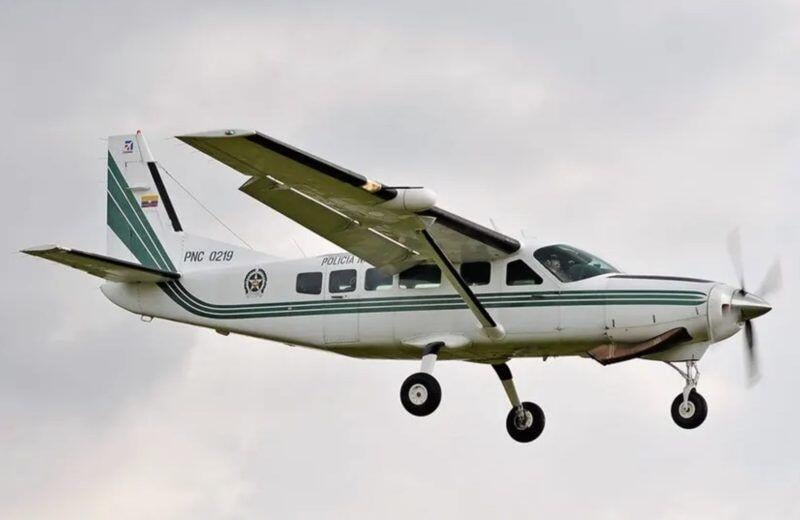
For working pilots and operators, particularly those flying Caravans in cargo, commuter, and utility roles, the Eco Caravan program is worth tracking because it targets a retrofit path rather than a clean-sheet aircraft. The PT6-powered Caravan is one of the most widely operated single-engine turboprops in the world, flown by regional cargo carriers, island hoppers, skydive operations, and Part 135 charter fleets. A certified hybrid-electric conversion that reduces fuel burn and emissions without requiring a new type rating or a wholesale fleet replacement would be immediately actionable for operators already sitting on substantial Caravan inventories. That contrasts with the harder sell facing pure-electric or hydrogen clean-sheet designs, which require new infrastructure, new pilot training, and unproven range and payload economics. A supplemental type certificate route through an existing, trusted airframe lowers the adoption barrier considerably, which is likely why Ampaire has consistently emphasized retrofit over new-build strategies since the program's inception.
The certification angle also matters disproportionately to the broader advanced air mobility and sustainable aviation community because hybrid-electric propulsion sits in a regulatory gray zone the FAA has not yet fully codified. Unlike battery-electric eVTOL programs, which are being shepherded through powered-lift certification frameworks, or SAF-compatible turbine upgrades, which fit within legacy engine certification standards, hybrid systems blend electric motor controllers, battery management, and thermal systems with a conventional engine core in ways that don't map cleanly onto existing 14 CFR Part 33 engine rules or Part 23 airframe rules. Ampaire's experience establishing precedent here—what special conditions get invoked, how battery safety and thermal runaway are addressed, how dual-power-source redundancy is evaluated—will likely inform certification bases for competitors and for hybrid systems eventually proposed for larger regional aircraft. Pilots and maintenance organizations should expect this precedent to shape future training and MRO requirements for hybrid fleets, including new procedures around energy management, mode transitions between electric and combustion power, and battery health monitoring.
More broadly, the Eco Caravan program fits into a wider industry pattern of incremental electrification serving as a bridge technology while battery energy density and charging infrastructure mature enough to support fully electric commercial operations. Companies like Ampaire, along with competitors pursuing similar hybrid retrofit strategies, are betting that operators want measurable, near-term fuel and emissions reductions rather than waiting a decade or more for viable pure-electric regional aircraft. For fleet planners and operators evaluating sustainability commitments and fuel cost exposure, continued progress on the Gen 2 propulsion system and FAA certification timeline is a signal worth monitoring, since a successful Caravan STC could open a template applicable to other popular utility and regional turboprops, from the King Air to the Twin Otter, expanding the addressable market for hybrid retrofits well beyond a single airframe.








 Read original article