Why Positioning Fares Are Quietly Becoming The Smartest Way To Book Premium Cabins
The article surfaces a pricing arbitrage strategy that has quietly matured into a mainstream tactic among sophisticated business and first-class travelers: origin unbundling. Rather than accepting the fare an airline's revenue management system assigns to a home hub, savvy flyers are booking a low-cost positioning flight to a nearby city where the same long-haul product sells for a fraction of the price. This behavior is a direct byproduct of how modern yield management systems work—algorithms no longer price by distance or cost-to-serve, but by local market elasticity, point-of-sale competition, and captive-demand dynamics. A hub like London Heathrow or Tokyo Narita can command a steep premium because corporate accounts and non-stop convenience create inelastic demand, while the same seat sold out of Dublin, Lisbon, Milan, Seoul, or Taipei must be discounted aggressively to pull connecting traffic through the carrier's hub. The spread the article cites—$4,000 versus $2,200 for what is functionally the identical seat—illustrates just how wide these RM-driven gaps have become, and how exploitable they are for anyone willing to add a short feeder leg.
For working pilots, this trend is worth understanding less as a personal travel hack and more as a window into how network carriers are actually filling premium cabins in 2026. It reinforces that legacy airlines increasingly treat secondary European and Asian gateways as pressure-relief valves for widebody business class inventory that would otherwise go out half-empty. That has operational implications: expect continued growth in connecting premium traffic at places like Dublin, Madrid, Oslo, Stockholm, Incheon, and Taipei, which in turn shapes crew scheduling, gate allocation, and slot competition at those airports. Pilots flying regional or narrowbody feeder legs into major long-haul hubs are, in effect, flying the "positioning" segment this strategy depends on—an underappreciated but increasingly load-relevant piece of the network. It also underscores why airlines' revenue management and network planning teams are placing growing emphasis on origin-and-destination (O&D) segmentation rather than simple point-to-point pricing, a shift that affects how schedules, frequencies, and aircraft assignments get built at the planning level pilots rarely see but that ultimately drives their bid lines and route assignments.
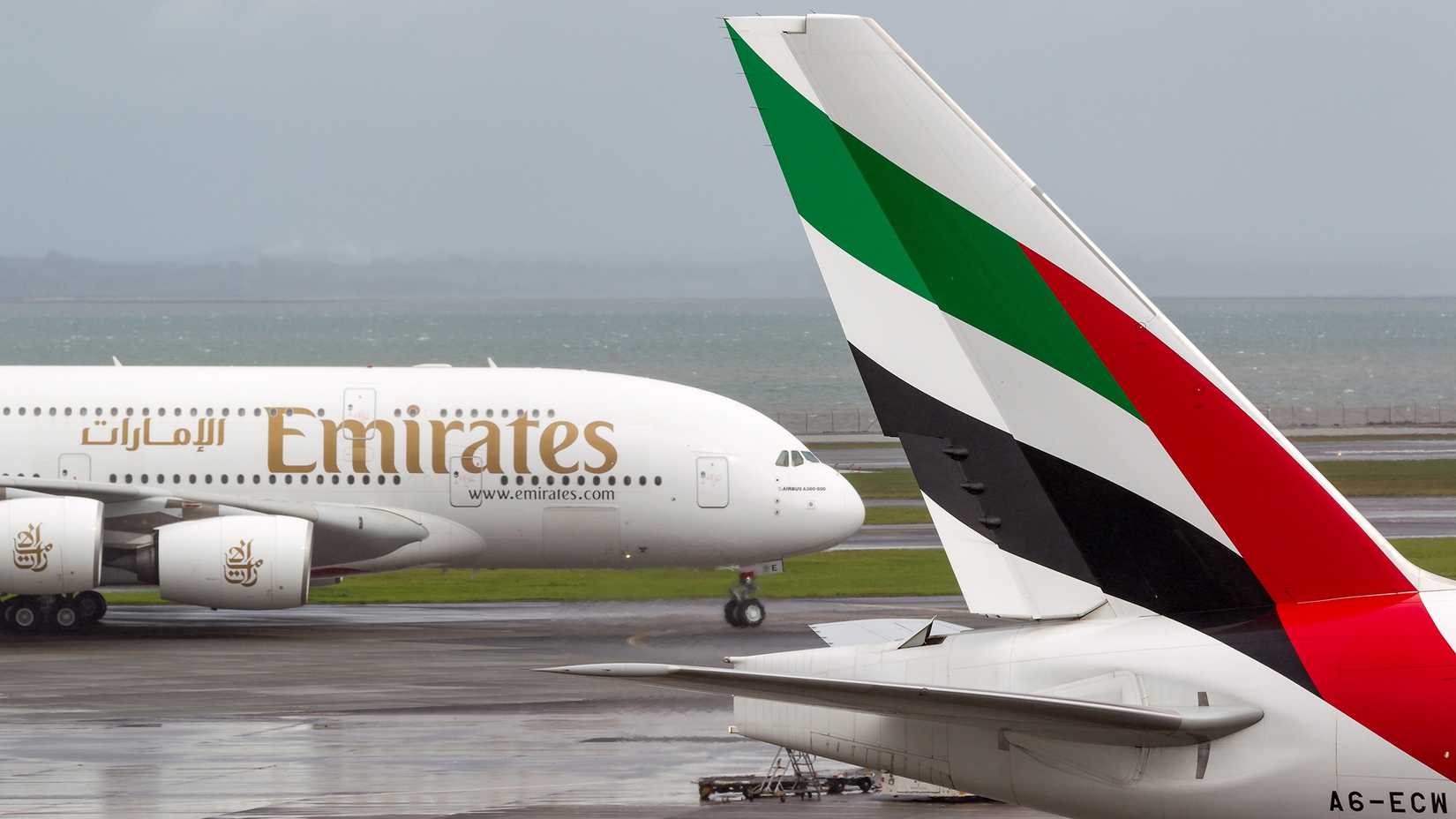
The fifth-freedom angle adds another layer relevant to industry-watchers. Carriers like Singapore Airlines and Emirates operating true fifth-freedom segments—Frankfurt–JFK or Milan–JFK—have no home-market loyalty to protect and must compete purely on price and product to fill seats. This is a reminder that fifth-freedom flying, once a niche legacy of postwar bilateral agreements, remains commercially vital in 2026 as foreign carriers use these routes to build brand presence and market share in markets dominated by joint-venture incumbents. For flight planning and ops professionals, these routes also represent some of the more operationally complex assignments in a network—foreign crew basing, customs and immigration handling for true international-to-international passengers, and revenue accounting across three countries—details invisible to the passenger booking a cheap positioning fare but very much part of the operational puzzle for the airline running the flight.
Broadly, this trend dovetails with several forces reshaping commercial aviation: increasingly granular dynamic pricing, the maturing of low-cost long-haul competition in secondary markets, and government taxation policy (like UK Air Passenger Duty) becoming an explicit factor in passenger routing decisions. As distribution technology gives consumers more visibility into fare disparities across nearby origins, airlines will likely respond by further fragmenting their pricing models or by tightening interline and codeshare rules to limit this kind of self-transfer arbitrage. For corporate flight departments and Part 91/135 operators watching commercial trends, it's a useful signal that even in premium cabins, price discovery is becoming as consumer-driven and geographically fluid as it has long been in economy—pushing sophisticated travelers, and by extension the airlines chasing their revenue, toward ever more complex, multi-city booking behavior.








 Read original article