Is the new SPEEA-Boeing contract a watershed? Yes and no
Boeing's tentative agreement with SPEEA, the union representing its engineers and technicians, marks a notably rapid and collaborative conclusion to labor negotiations that historically have been contentious. Reached in just four weeks—with daily meetings stretching to 14 hours by late July—the deal was struck more than two months ahead of the current contract's October 6 expiration. Two separate tentative agreements were negotiated, one each for the engineering and technician bargaining units, and both will now go to membership votes in the coming one to two weeks. Both Boeing and SPEEA leadership have publicly emphasized a shift toward cooperative dialogue rather than the adversarial posture that has characterized past rounds of bargaining at the manufacturer.
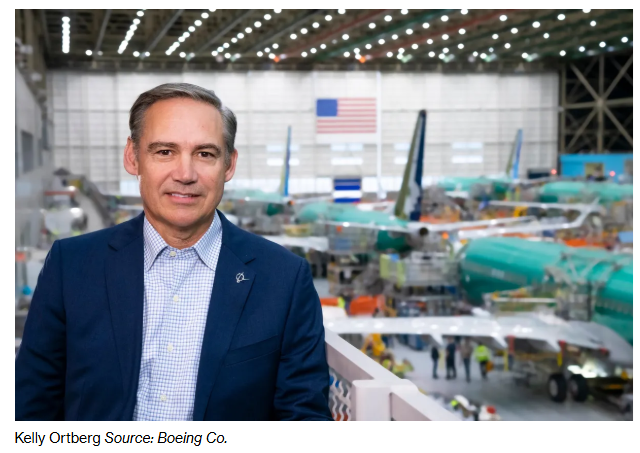
The outcome carries significant weight for CEO Kelly Ortberg, who took the helm in August 2024 explicitly citing labor relations reform as a priority. Ortberg inherited a fraught environment: the 1997 McDonnell Douglas merger reshaped Boeing's labor culture, and CEO Jim McNerney's tenure (2005-2015) was marked by open friction with IAM 751, culminating in a 57-day strike in 2008. Ortberg himself faced an immediate test, taking office just 34 days before IAM 751's contract expired, which led to a 53-day strike in late 2024. A separate IAM local at Boeing's defense operations in St. Louis endured a strike exceeding 100 days earlier this year. Against that backdrop, the SPEEA negotiations were widely viewed as a pivotal opportunity for Ortberg to demonstrate that his "reset" strategy could produce durable results rather than one-off wins.
For pilots and aviation operators—particularly those flying Boeing aircraft or overseeing fleets that depend on Boeing's engineering and technical support infrastructure—labor stability at the manufacturer has direct operational implications. SPEEA's membership includes the engineers responsible for certification work, design changes, and technical documentation, as well as technicians supporting flight test and production engineering functions. Prolonged labor disputes in these areas can delay certification programs, slow resolution of in-service issues, and compound the kind of production and quality problems that have plagued Boeing since the 2018-2019 MAX crisis and the 2024 door-plug incident. A smooth, early contract resolution reduces the risk of disruption to programs like the 777X, MAX derivatives, and ongoing FAA oversight activities that airlines and operators are closely tracking as they plan fleet renewals and delivery schedules.
More broadly, this development fits into a larger pattern of labor dynamics reshaping commercial aviation manufacturing and airline operations alike. Pilot unions, mechanics, and other aviation labor groups across the industry have grown more assertive post-pandemic, leveraging tight labor markets and heightened public scrutiny of safety and quality to secure improved terms. Boeing's shift toward faster, less adversarial negotiations—following the costly and reputation-damaging 2024 IAM strike—suggests manufacturers are recalibrating their approach to labor relations as a risk-management imperative, not just a cost consideration. Whether this SPEEA agreement truly represents a "watershed," as the article's framing suggests with intentional ambiguity, will depend on ratification outcomes and whether this collaborative model persists through future negotiating cycles, including the next IAM 751 contract. For now, it signals cautious progress that working pilots and fleet planners should welcome as a stabilizing factor for a manufacturer whose operational reliability directly affects their day-to-day flying and long-term fleet decisions.





 Read original article