Despite some turbulence, SPEEA exec sees progress under Boeing’s Ortberg
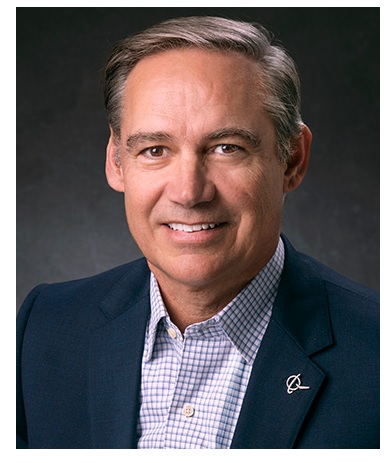
Boeing's labor relations under CEO Kelly Ortberg present a mixed picture roughly 18 months into his tenure, according to SPEEA executive director Ray Goforth. While Ortberg entered the role pledging to reset historically contentious union relationships, the results have been uneven: a brutal 53-day IAM 751 strike, a 100-plus day walkout at the St. Louis defense plant (IAM District 837), but successful contract resolutions with the Teamsters and with SPEEA-represented engineers at the newly acquired Spirit AeroSystems Wichita facility. Now attention turns to the marquee negotiation—Boeing's contract with its Seattle-area engineers and technicians, also represented by SPEEA, which expires this fall. Negotiating teams are being appointed this month, setting up what could be a bellwether test of whether Ortberg's stated commitment to improved labor relations translates into substance at the bargaining table.
The immediate flashpoint undercutting Goforth's cautious optimism is Boeing's abrupt decision to relocate up to 300 engineering jobs tied to the 787 program from the Seattle area to Charleston, South Carolina. What makes this particularly damaging to trust isn't just the job transfer itself, but the process failure: Boeing's Joint Workforce Committee—a contractually established forum specifically designed to give SPEEA six-month staffing projections—told the union just one day earlier that everything looked "steady state" with no changes expected. The next morning, Boeing informed affected 787 engineers directly that their jobs were moving. Whether this reflects deliberate misdirection or simple corporate dysfunction, Goforth notes, the outcome is the same: a core mechanism meant to give the union advance visibility into workforce planning failed at a consequential moment, raising questions about whether Boeing's stated commitment to transparency is matched by execution on the shop floor.
For working pilots and flight operations professionals, this labor and organizational friction matters well beyond internal HR optics. Boeing's engineering workforce stability directly affects certification timelines, production quality control, and the pace at which safety-related engineering changes move through the system—all factors that ripple into delivery schedules, AD compliance timing, and fleet-wide reliability that airline and business aviation operators depend on. More pointedly, the unresolved impasse over the Aviation Safety Action Program (ASAP) implementation for engineers strikes at the heart of safety culture. ASAP, long used by airline pilots and adopted by Boeing's test pilots and IAM 751, is designed to encourage non-punitive reporting of safety concerns. SPEEA's inability to secure a three-party review committee (Boeing, SPEEA, FAA) without company pre-vetting—now nearly two years stalled—echoes broader post-MAX concerns about whether Boeing's internal reporting channels genuinely protect employees who raise safety issues from retaliation.
The allegations regarding pressure on Organization Designation Authorization (ODA) representatives compound this concern. ODAs are Boeing employees who, under FAA delegation, are supposed to exercise independent regulatory judgment on the company's behalf—a system already under intense scrutiny since the 737 MAX certification failures exposed weaknesses in self-certification oversight. Reports of retaliation against ODA holders, now formally raised as complaints, suggest the cultural and structural reforms promised in the aftermath of the MAX crisis and the 2024 door-plug incident remain incomplete. For operators and pilots who rely on Boeing's engineering rigor and the integrity of its FAA-delegated authority, these signals are directly relevant: a manufacturer's internal safety culture and labor stability are leading indicators of the reliability of its products and the credibility of its regulatory oversight. As Boeing works to rebuild trust with regulators, customers, and its own workforce simultaneously, the outcome of the fall 2026 engineer contract talks—and whether Boeing follows through on commitments made through committees like the Joint Workforce Committee—will serve as a meaningful gauge of whether Ortberg's leadership is genuinely closing the gap between stated intentions and operational follow-through.








 Read original article