American Airlines Gets Green Light For $100M Stake In Brazil's Azul
Brazil's antitrust authority, CADE, has cleared American Airlines to move forward with a $100 million investment in Azul Linhas Aéreas, granting the Fort Worth-based carrier an 8.66% equity stake in South America's fourth-largest airline. The approval comes without conditions attached, with CADE concluding that the investment poses minimal risk to competition in the Brazilian market despite overlapping routes between São Paulo and Rio de Janeiro gateways and American's Miami and Orlando hubs. The deal, structured through long-term security warrants, gives American the right to appoint a board member and a representative to Azul's strategic committees, positioning the oneworld alliance carrier for deeper commercial integration with Azul through expanded codesharing, reciprocal lounge access, and frequent flyer benefits.
The transaction is a direct byproduct of Azul's Chapter 11 restructuring, which began in May 2025 after the carrier buckled under more than $2 billion in debt exacerbated by fuel costs, aircraft supply chain delays, and currency volatility—pressures familiar to many Latin American carriers operating with dollar-denominated leases against local-currency revenue. With $1.6 billion of that debt relief occurring during proceedings and another $950 million expected upon exit, Azul has become an attractive minority-stake target for US majors seeking to lock in strategic access to the Brazilian market ahead of its anticipated 2026 emergence from bankruptcy. Notably, American's move mirrors United Airlines' own commitment, which recently increased its Azul stake from 2% to over 8% for a similar $100 million outlay. This puts both US legacy carriers in parallel minority positions within the same South American partner, a dynamic that underscores how the JetBlue-style "equity alliance" playbook—rather than outright M&A—has become the preferred mechanism for expanding international reach without triggering the heavier regulatory scrutiny that comes with majority ownership or merger review.
For working pilots and flight operations professionals, particularly those flying long-haul international for American, United, or their regional and cargo partners, these equity stakes typically foreshadow expanded codeshare capacity, new joint scheduling coordination, and potential crew pairing or maintenance-basing implications as networks become more intertwined. Deeper collaboration between American and Azul is likely to translate into more coordinated scheduling on Brazil-to-US routes, potentially affecting slot utilization at GRU, GIG, MIA, and MCO, and could eventually influence fleet planning decisions if codeshare demand grows enough to justify additional widebody frequencies. Pilots at both carriers should also watch for downstream effects on interline agreements, pilot flying privileges under codeshare umbrellas, and how strategic board representation might shape long-term fleet and route decisions at Azul, particularly given the airline's diverse fleet mix spanning A320neo-family jets, widebody A330s, and regional Embraer and ATR equipment.
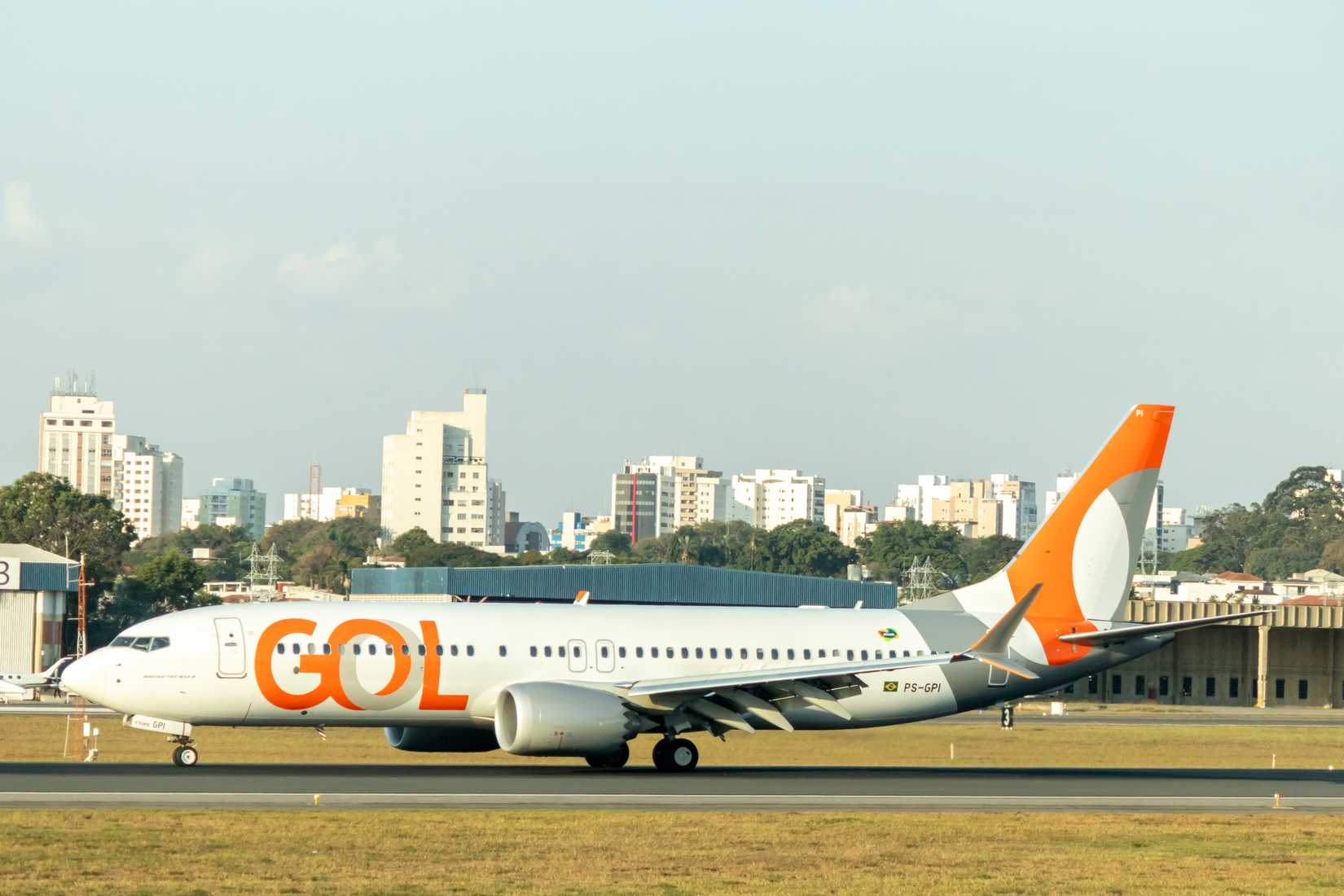
More broadly, this deal reflects an accelerating trend of foreign minority investment as a restructuring tool for financially distressed international carriers, echoing how Delta, American, and United have all used equity stakes—rather than traditional alliance memberships alone—to secure strategic footholds in key growth markets like Latin America. The involvement of GOL and Avianca's parent Abra Group in objecting to the deal also highlights the competitive tension underlying these consolidations, as legacy US carriers effectively become financial stakeholders in the fragmented and heavily competed Brazilian domestic and international market. For corporate and business aviation operators watching connectivity trends into São Paulo, Rio, and secondary Brazilian markets, the increasing entanglement of major US network carriers with Azul signals further consolidation of transatlantic-style alliance economics into the Western Hemisphere, with implications for slot access, codeshare fare structures, and eventually fleet and crew planning as these equity partnerships mature toward Azul's expected 2026 exit from Chapter 11.





 Read original article