How Embraer Quietly Reclaimed Its Home Continent From The Airbus A220 In 12 Months
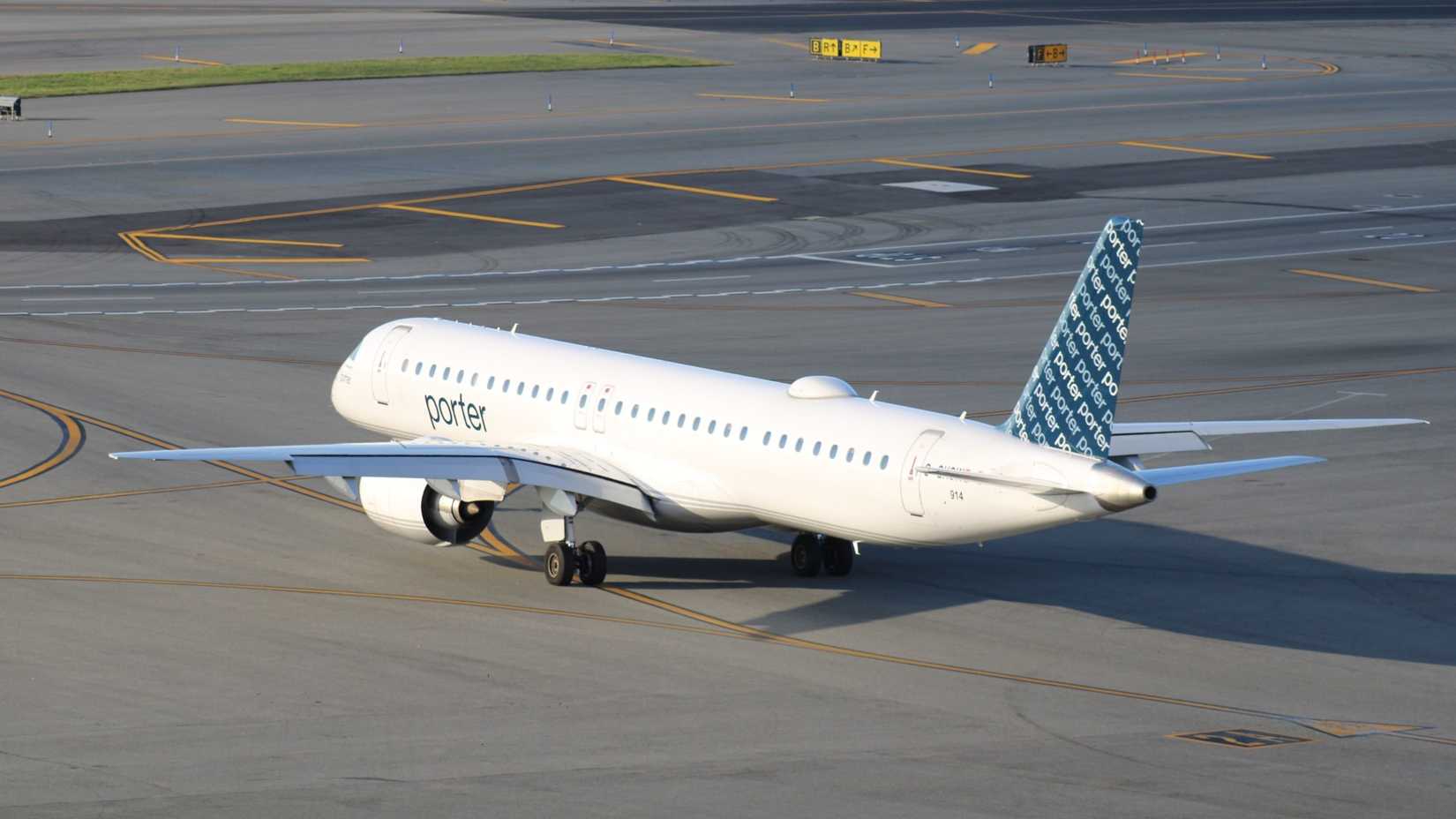
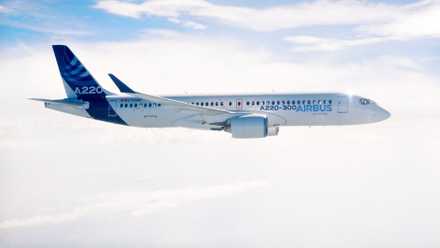
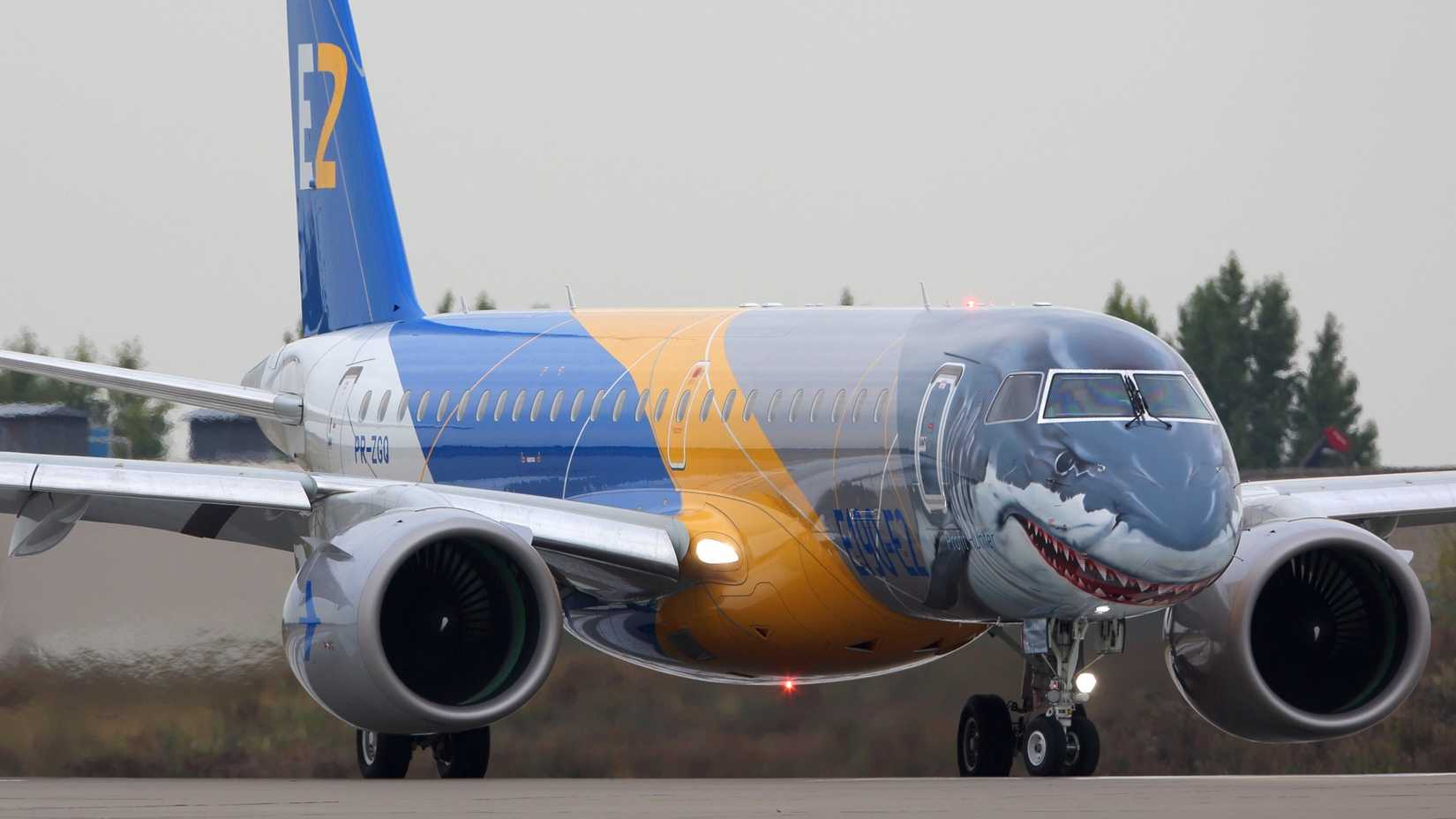
Embraer's E2 program has quietly reasserted itself in South America, closing a 12-month stretch that saw the manufacturer book 44 combined orders from Abra Group and LATAM on top of Azul's earlier commitment, pushing total E195-E2 sales on the continent toward 200 aircraft when options are included. The July 21 Abra Group order—20 firm E195-E2s plus 10 options and 15 purchase rights, covering Avianca, GOL, and related carriers—followed LATAM's September 2025 order for 24 E195-E2s with 50 options. Against this, the Airbus A220's only South American customer remains FlyBondi, with 15 firm orders and five options. While Airbus continues to dominate the E2 program globally on raw order count, the regional split reveals a market where Embraer's home-continent relationships, service network, and E-Jet legacy give it a durable edge that Airbus has not been able to crack despite the A220's broader commercial success.
For working pilots and flight departments, this order pattern matters because it signals where large regional jet and small mainline fleets are headed over the next decade, particularly at major Latin American carriers already flying Embraer types. Crew training pipelines, maintenance infrastructure, and spare-parts logistics all benefit from fleet commonality, and the E2's shared DNA with the first-generation E-Jet (crew qualifications, maintenance intervals, and parts support) makes it a lower-friction addition for airlines like Azul, LATAM, and Avianca/GOL that already operate large E-Jet fleets. Pilots transitioning within these carriers can expect smoother type-rating differences training and more predictable career progression onto the E2 versus an entirely new type family. The A220's fly-by-wire architecture and Bombardier lineage, while excellent from a performance standpoint, offer essentially zero commonality with any Airbus or Embraer product a Latin American carrier is likely to already operate, raising the transition cost for both flight crews and maintenance technicians.
The article also highlights a broader industry dynamic that affects fleet planning far beyond South America: aircraft availability now often outweighs marginal performance advantages in narrowbody sourcing decisions. With the A220 backlog stretching years out and engine production constraints (notably on the PW1500G and geared turbofan family broadly) squeezing deliveries across the industry, the E2's relative availability and lower acquisition cost make it the pragmatic choice for airlines that don't need the A220's superior short-field performance or extra capacity. This dynamic mirrors what's playing out in the mainline narrowbody market, where 737 MAX and A320neo family delivery delays have forced airlines to extend older-generation aircraft service lives and reconsider secondhand acquisitions. The regional/small-mainline segment is not immune to these supply chain pressures, and operators making fleet decisions today are clearly weighting delivery slot certainty as heavily as unit economics.
Finally, the piece underscores that the E175-E2's stalled development—shelved because its gross weight exceeds U.S. pilot scope clause limits—remains one of the more consequential unresolved issues in North American regional aviation. Scope clauses continue to freeze the E175 (first generation) as the default 76-seat regional jet for U.S. major-airline partners, meaning U.S. regional pilots and carriers won't see a more efficient E2-generation replacement anytime soon unless scope clause negotiations shift materially in future pilot contracts. This is a reminder that labor agreements, not just manufacturer technology, continue to shape fleet composition and aircraft development priorities in commercial aviation, a dynamic pilots at regional carriers should watch closely as contract cycles come up for renewal.











 Read original article