Boeing 777-9 Vs. Airbus A350-1000: The Widebody Showdown That Will Define The 2030s
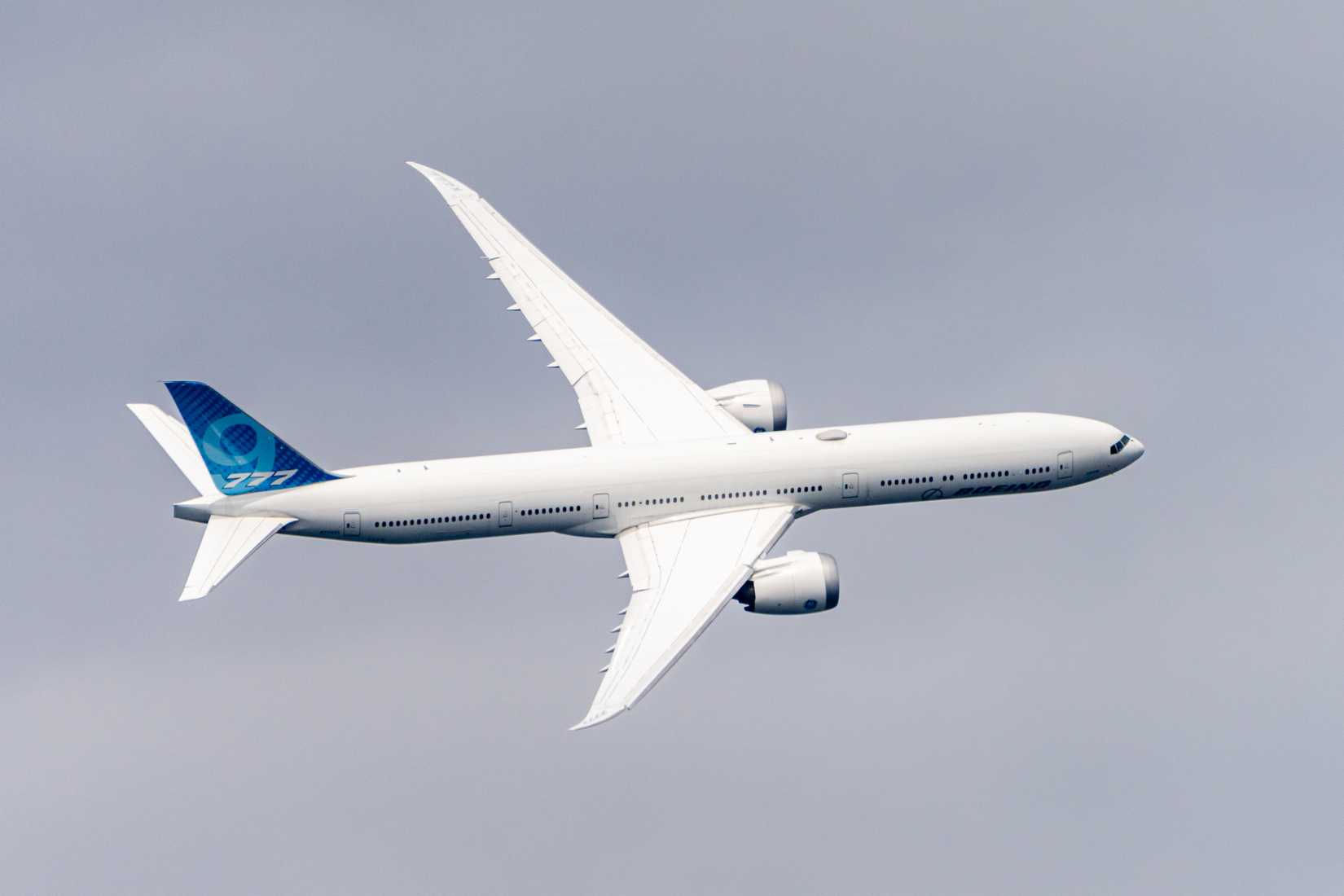
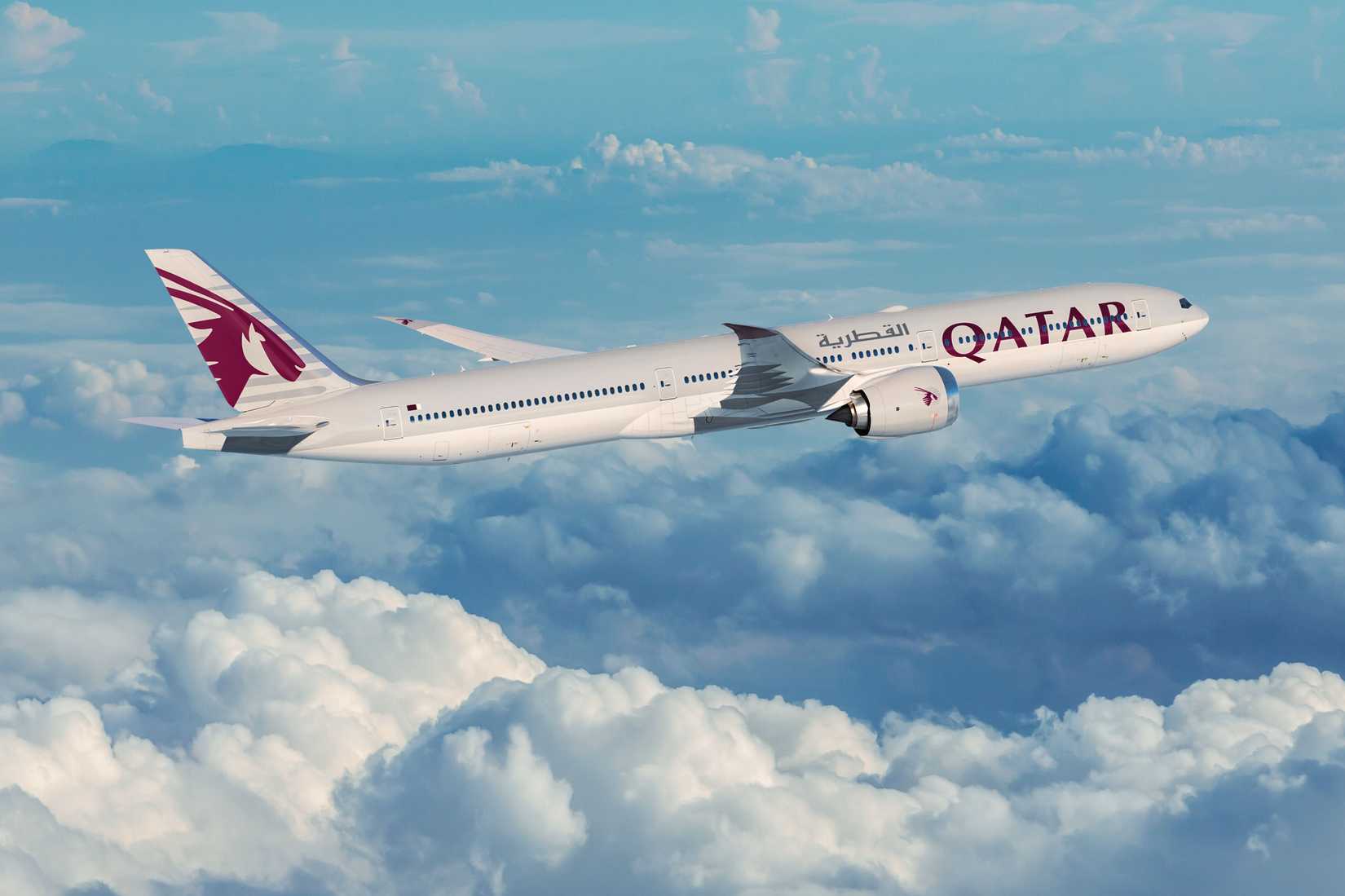
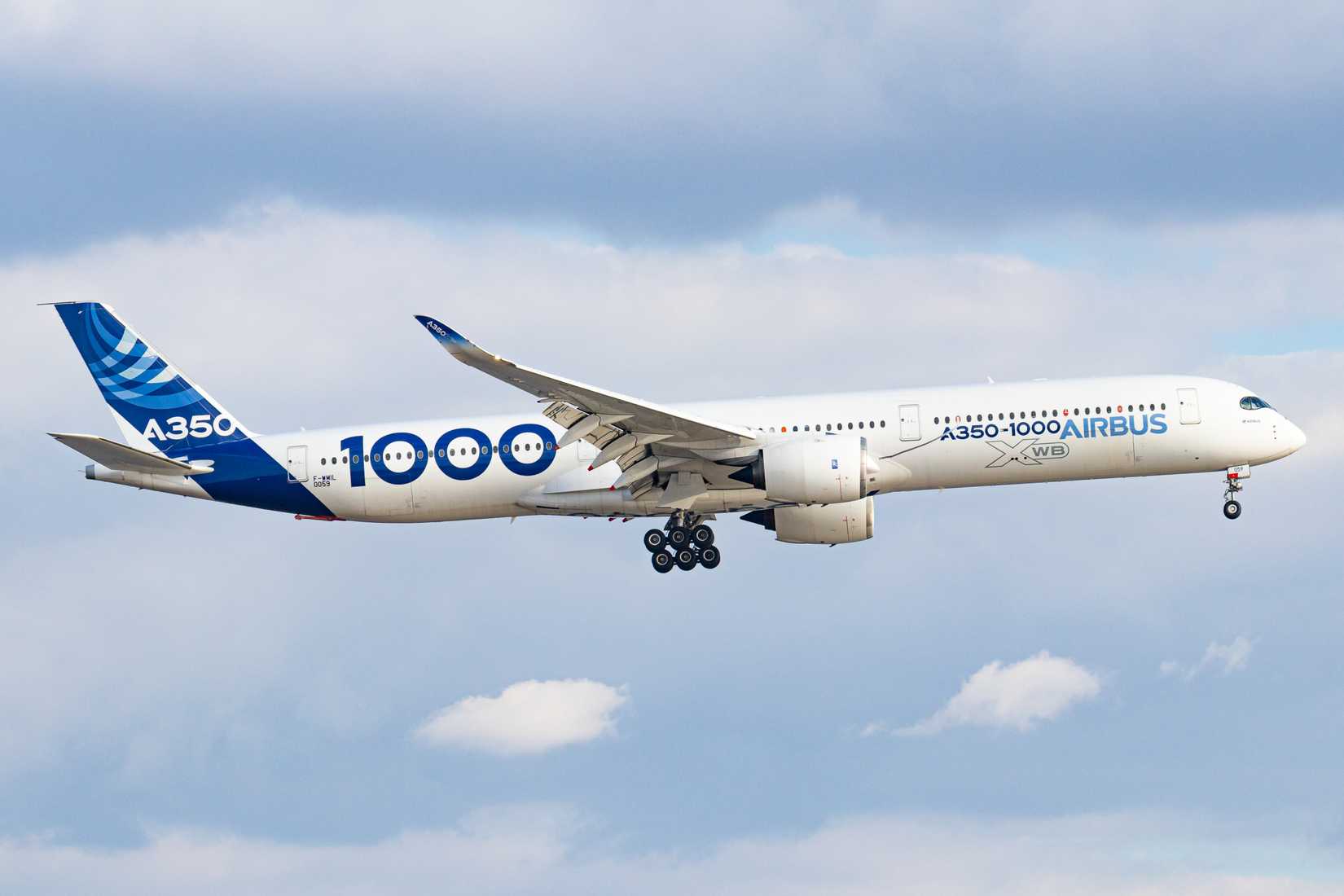
The Boeing 777-9 and Airbus A350-1000 represent the two dominant designs competing for the top tier of long-haul widebody capacity through the 2030s, but the timing of their market entry has already reshaped the competitive landscape well before the 777-9 carries its first paying passenger. Airbus's A350-1000 entered service with Qatar Airways in February 2018 and has since accumulated 367 orders and 114 deliveries as of June 2026, giving it nearly a decade of operational maturity, reliability data, and route-proving on ultra-long-haul city pairs. Boeing's 777-9, by contrast, first flew in January 2020 and remains uncertified as of mid-2026, with first delivery to launch customer Lufthansa now targeted for 2027—roughly seven years behind the original schedule. That gap has allowed Airbus to lock in orders from carriers that might otherwise have waited to compare both aircraft directly, and it has forced airlines with 777-9 commitments to manage older 777-300ER and A330 fleets far longer than originally planned, straining maintenance budgets and fleet-planning assumptions in the process.
For working pilots and flight operations departments, this rivalry carries practical weight beyond marketing specs. The 777-9's folding wingtip mechanism—engineered to shrink a 235-foot, 5-inch span down to fit standard Code E gates—introduces a new system that flight crews and ground crews will need to understand operationally, including its automated deployment logic and any associated abnormal procedures. The GE9X engine, the largest and most powerful ever certified for airline use, also represents a significant step up in size and thrust management compared to the GE90 it replaces, with implications for engine-out performance, ground operations clearance, and training syllabi. Meanwhile, the A350-1000's Trent XWB-97, already years into revenue service, gives Rolls-Royce and operators a mature reliability and maintenance dataset that new-entrant airlines find reassuring when building crew training programs and spares pooling arrangements. Pilots transitioning onto either type will be stepping into airframes with philosophically different design bets: Boeing maximizing cabin volume and range extension through late-stage upgrades, Airbus leaning on composite weight savings and a battle-tested production and support ecosystem.
The broader significance for commercial aviation lies in what this delay signals about certification risk and program execution at Boeing more broadly. Following the 787 battery issues, the MAX grounding, and now a multi-year 777-9 slip, airlines and lessors are increasingly factoring schedule risk into fleet-renewal decisions, sometimes hedging bets by ordering both types or extending leases on older widebodies. For Part 91/135 and business aviation operators, the ripple effects are less direct but still relevant: engine and composite manufacturing capacity, supply chain bottlenecks, and certification bandwidth at the FAA all compete across Boeing's and Airbus's simultaneous programs, indirectly affecting delivery timelines for corporate and VIP widebody conversions as well. The 777-9/A350-1000 contest is ultimately less about which jet is objectively superior on range or seat-mile cost—the specs remain closely matched—and more about which manufacturer can convert engineering ambition into dependable, on-schedule fleet delivery, a lesson every operator watching Boeing's certification progress will be weighing carefully before committing capital to either type.













 Read original article