How The Northrop Grumman B-2 Spirit's Cockpit Layout Prioritizes Long-Duration Mission Endurance
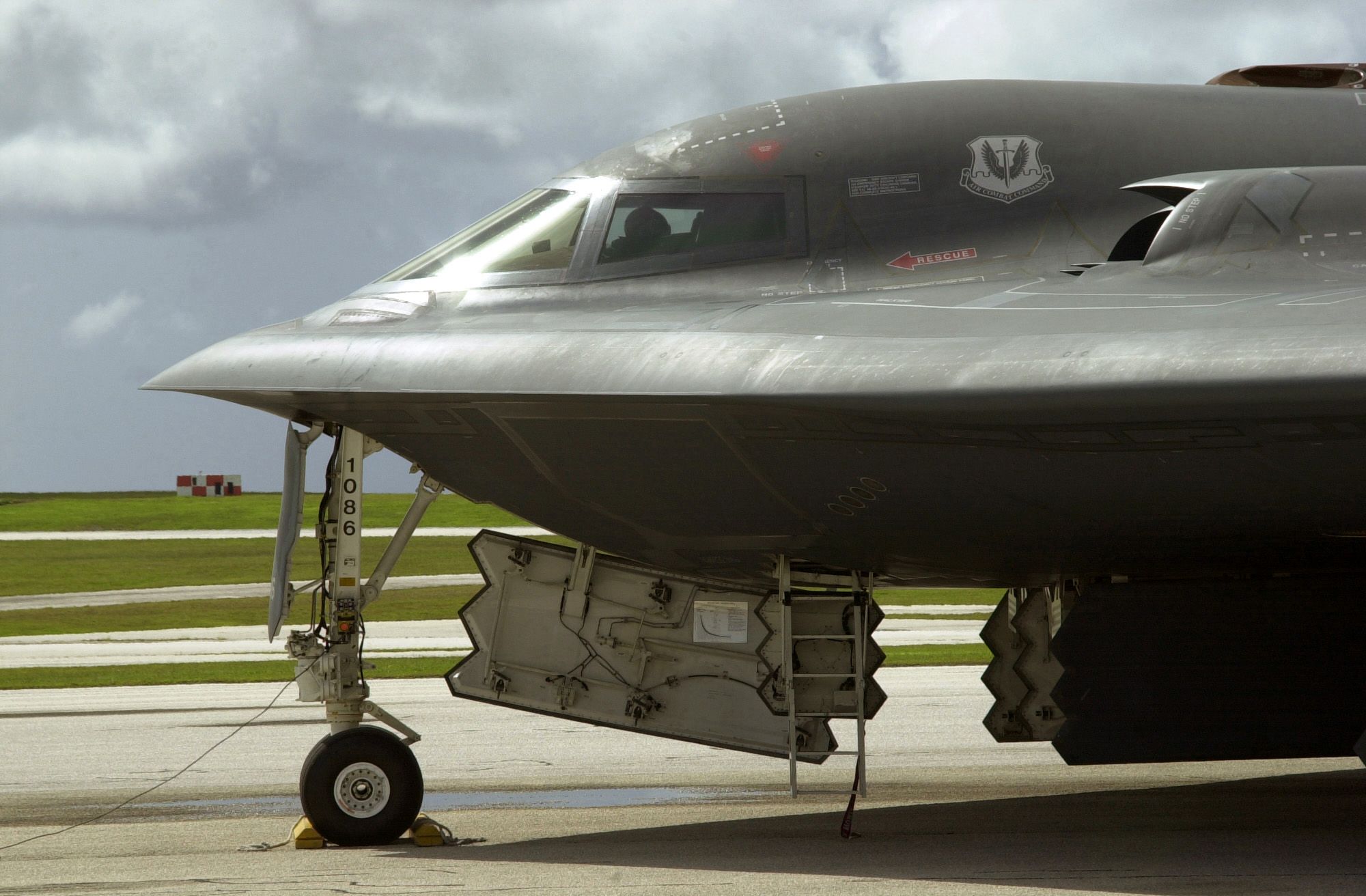
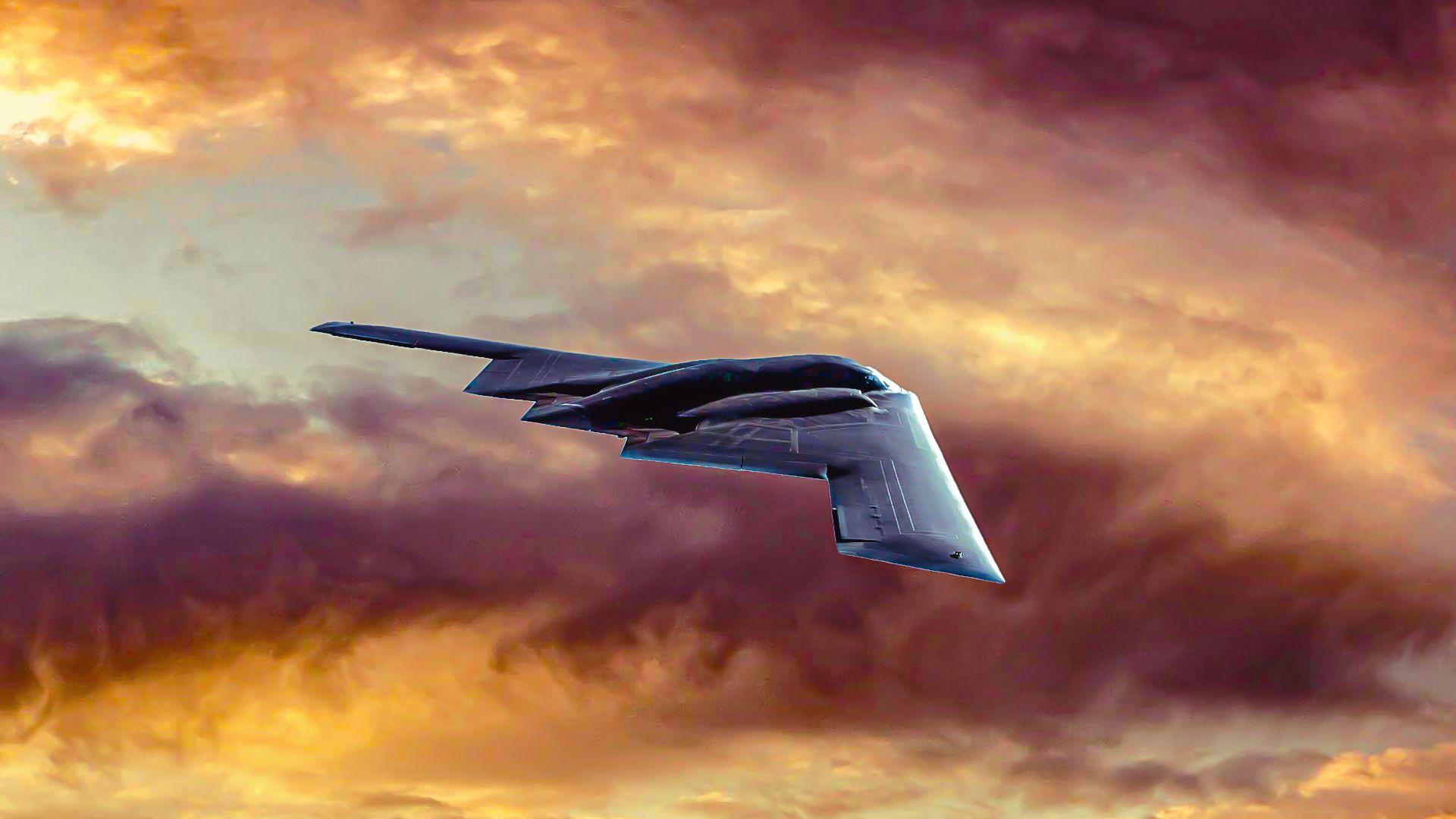
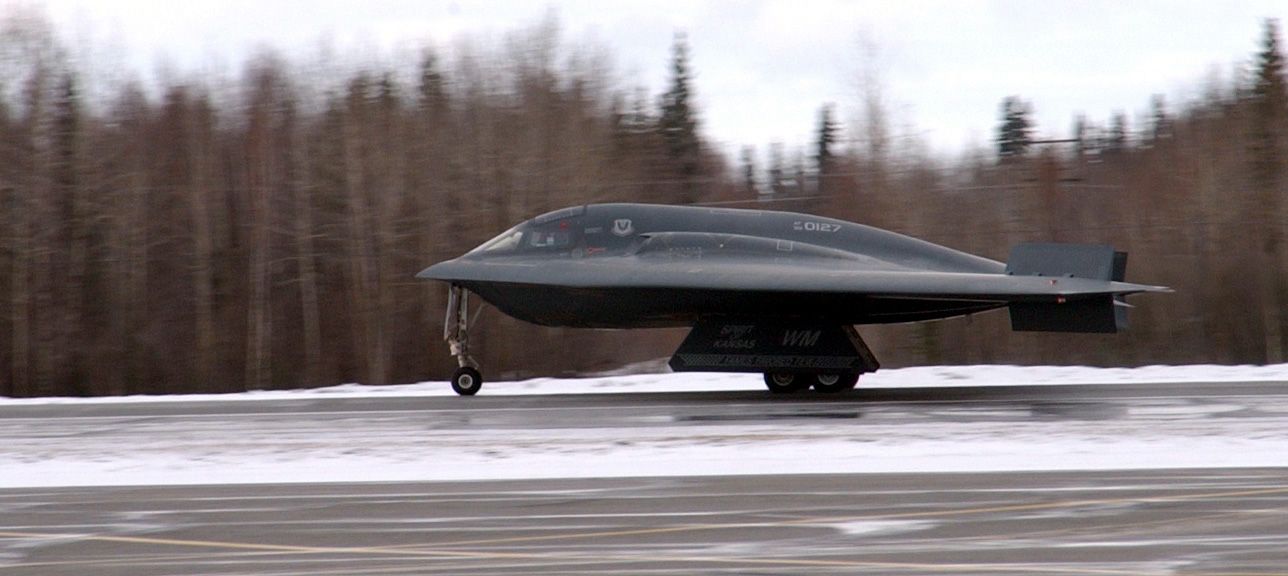
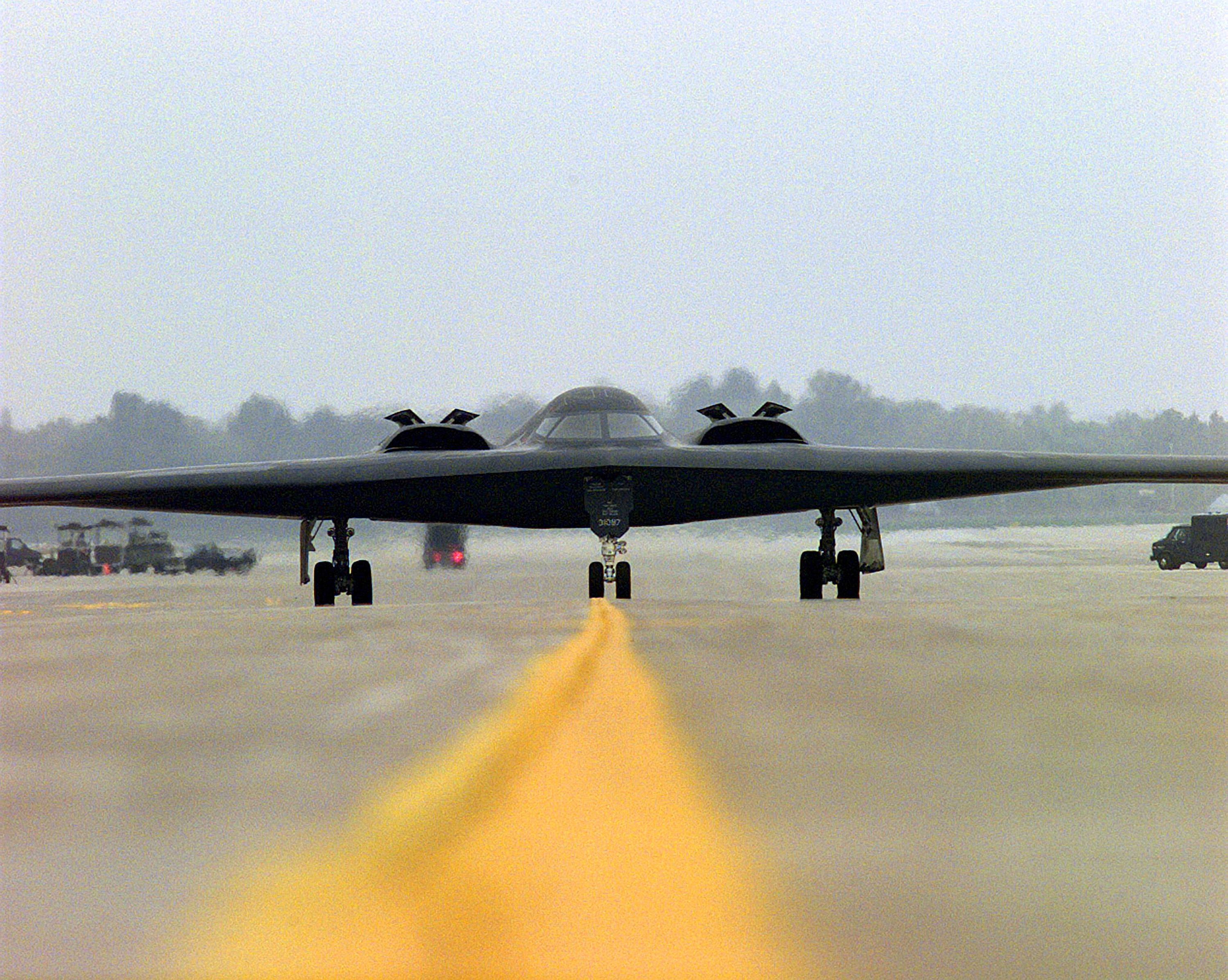
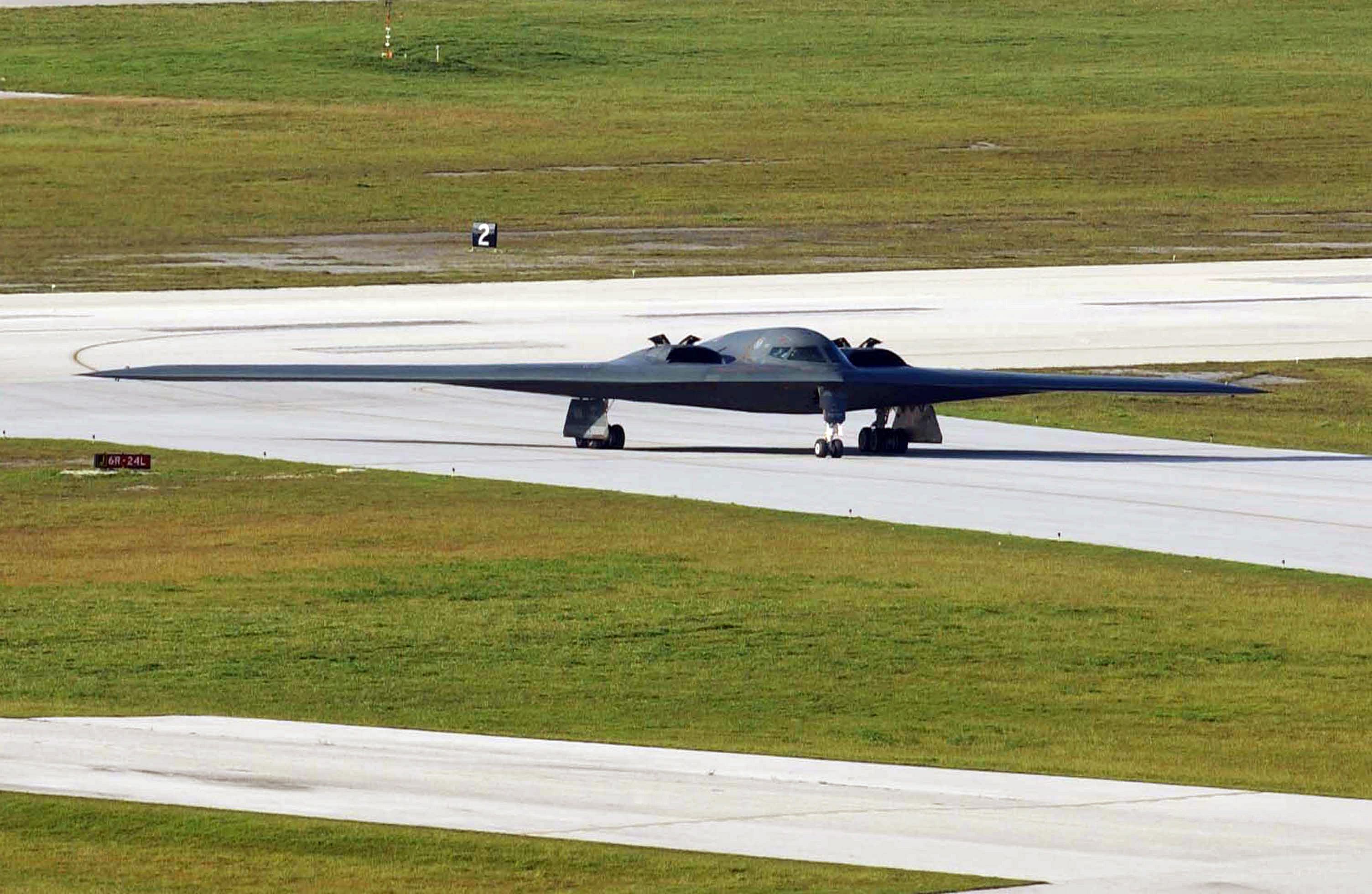
The B-2 Spirit's design philosophy offers a rare glimpse into how aircraft engineering directly addresses human factors in extreme long-duration operations, a lesson with direct relevance well beyond the small community of Whiteman AFB bomber crews. The core insight is that the flying wing's stealth characteristics and computer-mediated flight controls are not merely tactical advantages but physiological enablers: because the aircraft's radar cross-section is functionally invisible to most sensors, crews avoid the constant high-alert defensive posturing that saps cognitive reserves during marathon 40-plus-hour sorties. The fly-by-wire system, which continuously compensates for the inherent instability of a tailless flying wing, delivers a smoother ride that reduces physical fatigue in ways that turbulence-prone conventional airframes cannot match. For any pilot who has flown long-haul transoceanic legs or extended ferry flights, the underlying principle will resonate: airframe stability and reduced workload translate directly into better decision-making capacity late in a duty period.
What makes this article particularly instructive for professional pilots is the granular detail on crew resource management and fatigue mitigation built into both the aircraft and the training pipeline. The B-2's two-person crew relies on a folding cot, a convection microwave, a hot cup, and a chemical toilet, unglamorous amenities that nonetheless represent deliberate human-factors engineering aimed at sustaining alertness and physical readiness across a mission profile that dwarfs even the longest ETOPS or ultra-long-range civil routes. The Air Force's approach to training, including 24-hour nonstop simulator sessions designed specifically to expose crews to degraded decision-making and altered communication patterns under fatigue, mirrors the same fatigue-science principles that inform FAR Part 117 rest rules, augmented crew requirements on ultra-long-haul airline routes, and business aviation's growing adoption of fatigue risk management systems (FRMS). The explicit practice of "planning sleep rotations" weeks in advance and rehearsing high-workload phases like blind nighttime aerial refueling while fatigued is a disciplined, proactive model that civilian crews conducting long-range Part 91 or Part 135 flights, or airline crews on 16-plus hour ultra-long-haul sectors, would recognize as best practice taken to its logical extreme.
The broader relevance to the aviation community lies in the convergence of automation, crew workload management, and mission endurance that is increasingly shaping both military and civilian aircraft design. As business jets push into true ultra-long-range territory (Global 8000, Gulfstream G800) and airlines chase records with routes like Singapore-New York or Perth-London, the industry is grappling with many of the same questions the B-2 program solved decades ago: how much can automation safely offload from a single pilot, how do cabin ergonomics and rest facilities affect crew performance, and how should training simulate cumulative fatigue rather than just single-leg scenarios. The B-2's single-pilot-capable stability augmentation system, allowing one crew member to safely manage the aircraft while the other rests, previews concepts now being studied for reduced-crew and single-pilot operations in commercial contexts, making this decades-old military design a useful reference point for where cockpit automation and crew endurance strategy may be headed industry-wide.







 Read original article