How A 7-Year Delay Made 30 Already-Built Boeing 777-9s Financially Obsolete
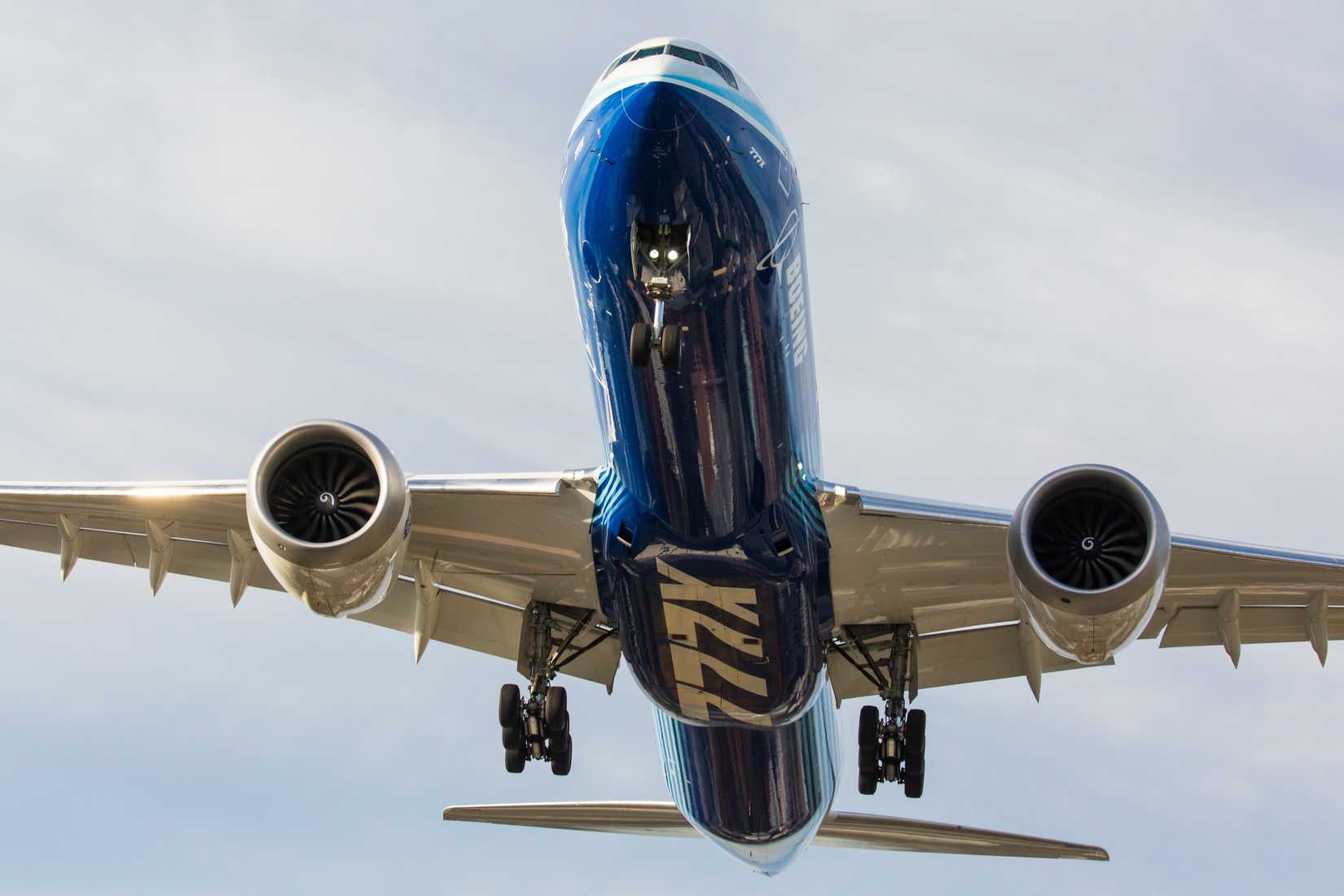
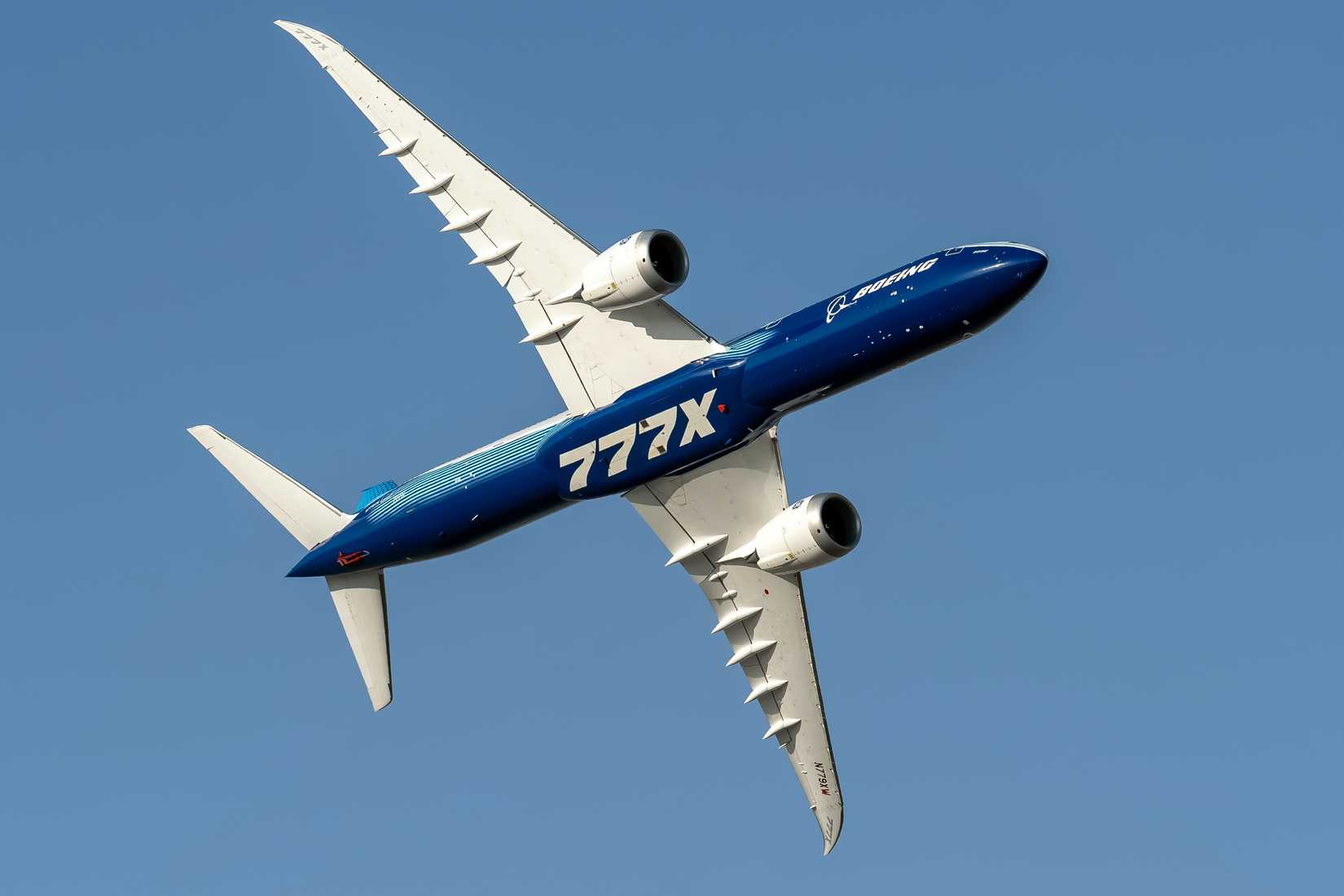
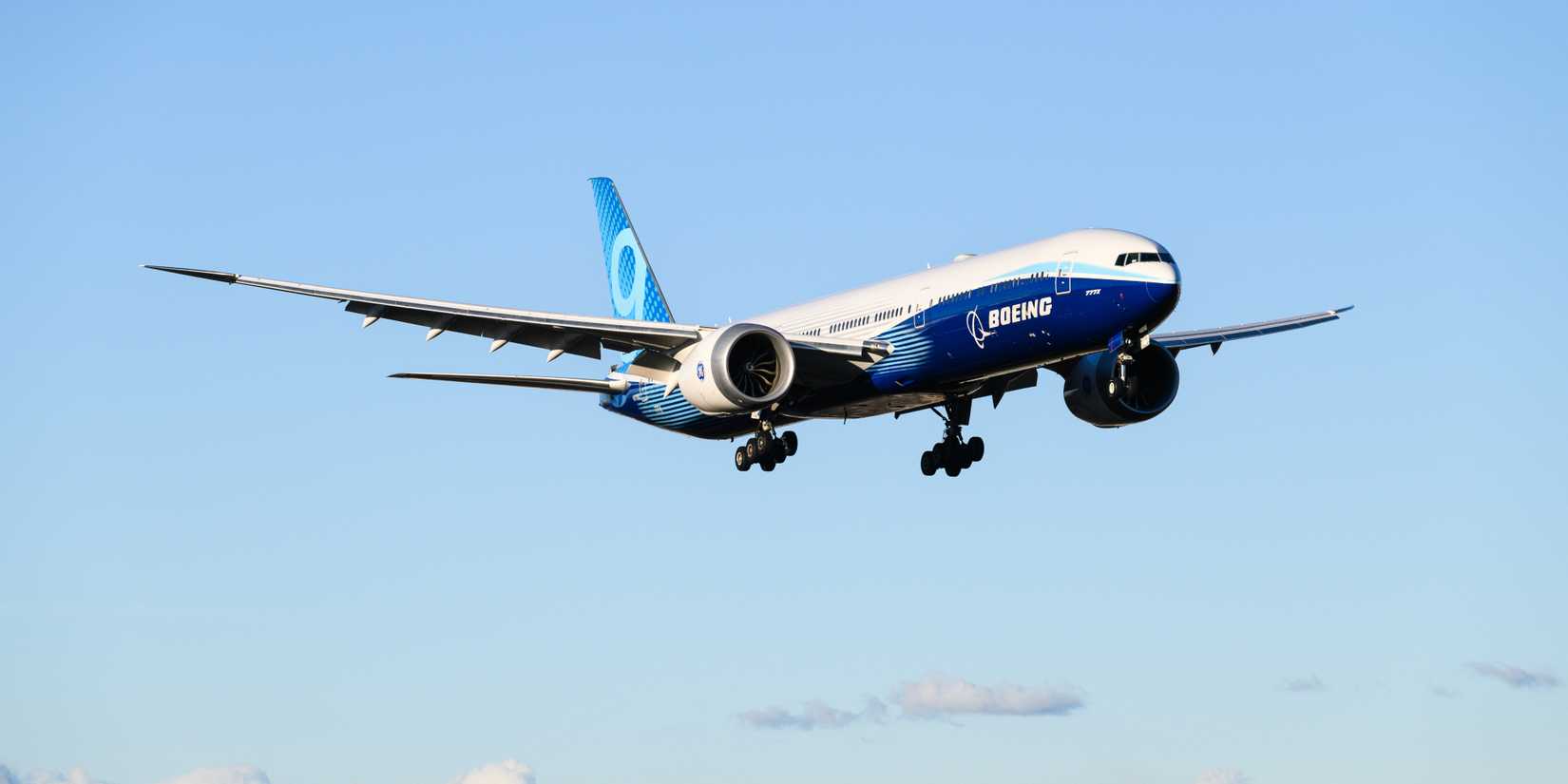
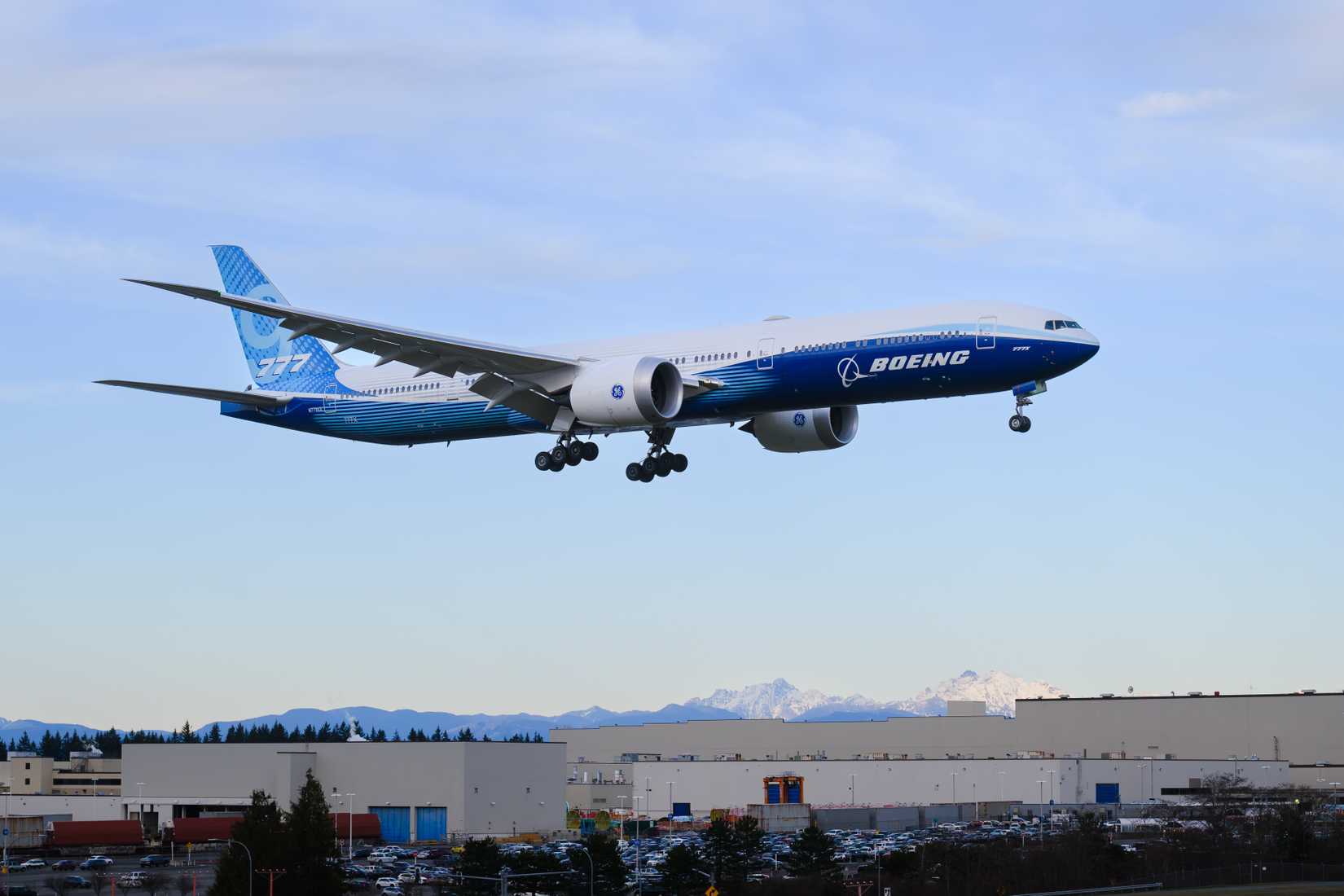
The Boeing 777X program's certification saga has produced one of the more striking economic anomalies in modern commercial aviation: fully assembled, livery-painted widebody jets being scrapped before ever carrying a passenger. At the 2026 Farnborough Airshow, Emirates President Sir Tim Clark's blunt dismissal of the early-build 777-9 airframes—joking that "Heinz would be interested" in them as baked bean cans—crystallized what industry observers had suspected for years. Of the roughly 30 to 40 early-production 777-9s that Boeing built and stored at Everett between 2019 and 2020, the first, WH007 (Line Number 1611), was quietly dismantled in late summer 2025 after Boeing's own financial analysis concluded that retrofitting the airframe to the current certified baseline would cost more than building a new jet from scratch. The root cause traces directly back to the FAA's post-737 MAX regulatory overhaul, which abandoned much of the delegated certification authority Boeing had previously relied on and forced continuous design changes throughout a seven-year flight-test program that was originally supposed to take a matter of months.
For working pilots, this episode is a vivid illustration of how deeply certification timelines now shape fleet planning, aircraft economics, and even the physical configuration of the jets they'll eventually fly. The 777-9's "build-and-store" strategy—common practice in prior clean-sheet programs where manufacturers assembled early frames while finishing flight test—assumed regulatory approval would track a predictable schedule. Post-MAX, that assumption collapsed. Every FAA-mandated change to flight control logic, wiring architecture, or structural fittings during the extended test campaign obsoleted the design baseline of frames already sitting on the ramp at Paine Field. The result was $15 billion in accounting charges and, more consequentially for line pilots and training departments, aircraft whose systems, wiring harnesses, and even composite wing layups diverge meaningfully from the eventual production standard. Airlines like Emirates, which has enormous 777-9 order commitments and route planning built around the type, are effectively being asked to wait for a "clean" production baseline rather than accept early frames requiring extensive rework—rework that itself introduces weight penalties and structural risk unacceptable for 16-hour transpacific missions where every pound of payload and every gallon of fuel burn compounds over a 20-year service life.
The broader significance for operators and manufacturers alike is a hard lesson in how regulatory risk has become a first-order variable in aircraft program economics, on par with engine performance or aerodynamic efficiency. Boeing's assumption that certification would proceed in parallel with production—a strategy that worked reasonably well for prior widebody launches—proved catastrophically wrong once the FAA shifted to line-by-line scrutiny of flight control algorithms and structural substantiation. This has implications well beyond the 777X: it signals that any future clean-sheet program, whether from Boeing, Airbus, or an emerging OEM, must now build in far more conservative assumptions about certification duration, or avoid building ahead of certification entirely. Airlines negotiating early-delivery slots on new types should expect manufacturers to be more cautious about production ramp timing relative to certification milestones, potentially smoothing out delivery bunching but also risking longer waits for initial aircraft.
For flight departments and training organizations tracking the 777X's eventual entry into service—now targeted around the Q2 2027 certified baseline—the WH007 teardown is a reminder that the aircraft ultimately delivered to airlines will be a meaningfully different and more mature airframe than what rolled off the line in 2019, with newer wiring, updated structural fittings, and a design standard fully hardened by seven years of regulatory scrutiny. That is arguably a net positive for safety and reliability, but it comes at enormous financial cost to Boeing and delivery uncertainty for carriers like Emirates, Qatar Airways, and others anchoring long-haul fleet strategy to the type. The episode also reinforces a broader industry trend: post-MAX, the FAA and other regulators globally have adopted a far less permissive posture toward manufacturer self-certification, and that shift is now visibly reshaping how aircraft are built, stored, and ultimately scrapped—not just how they're approved.












 Read original article