Capital Jets adds Learjet 60XR, expands operations | Corporate Jet Investor | CJI news
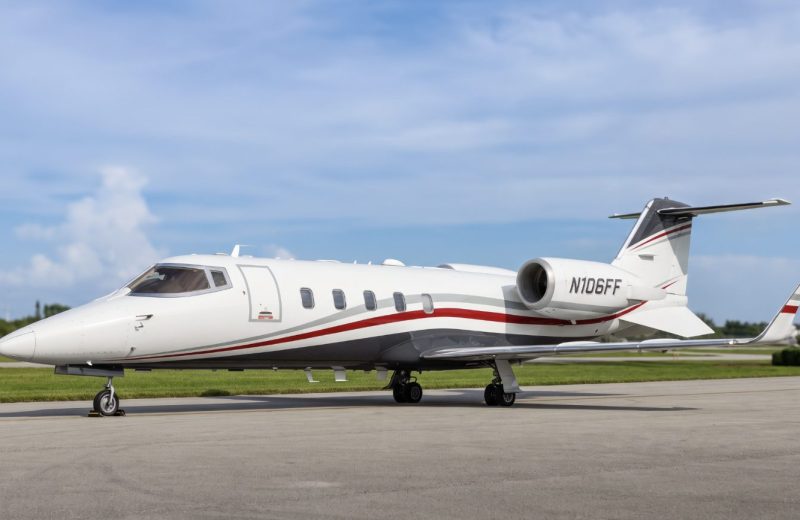
Capital Jets, a young Part 135 charter operator based on the US east coast, has added a Learjet 60XR to its fleet, bringing its total aircraft count to two after selling a previously operated third airframe. The company, which now operates a Learjet 60 alongside the new 60XR, has built its business model around the Learjet platform while serving the busy Miami-to-New York corridor, the Caribbean, Canada, and Mexico. According to Nathaniel Sutliffe, vice president of operations, the operator completed its certification process between late 2021 and 2024, beginning charter operations in mid-2024. The team has grown to nearly 20 people, including Part 119 leadership, a maintenance division, and two-and-a-half flight crews, with plans for continued hiring as the company expands its acquisitions and management divisions.
For working pilots and operators, Capital Jets' trajectory illustrates a familiar but increasingly relevant path in the charter industry: an operator transitioning from flying under a third-party certificate to obtaining its own Part 135 certificate in order to gain operational control. This shift—often driven by a desire to control scheduling, maintenance standards, safety culture, and client relationships directly—reflects a broader trend among management companies and fractional-style operators seeking greater autonomy rather than remaining dependent on umbrella certificate holders. The multi-year certification timeline described by Sutliffe (roughly three years from initiation to proving runs) is a useful data point for pilots and industry professionals evaluating how long these processes realistically take in today's regulatory and staffing environment, particularly amid ongoing FAA scrutiny of new certificate applicants and heightened safety oversight across Part 135 operations.
The choice to specialize in Learjet 60/60XR airframes, while common among light-to-midsize charter operators, also speaks to continued demand for older but well-supported jets in short-to-medium-haul markets like the Northeast corridor and Caribbean routes. These aircraft remain attractive to operators because of relatively lower acquisition costs, established parts and maintenance ecosystems, and strong performance for regional missions—even as OEMs push newer, more efficient midsize and super-midsize jets. Sutliffe's comments about eventually scaling into heavy and ultra-long-range categories, as well as turboprops for short island-hopping and regional routes, reflect the diversified fleet strategies many charter and management operators are pursuing to capture a wider swath of client demand rather than staying niche.
Capital Jets' emphasis on a "floating fleet" strategy—positioning managed aircraft in key markets like Southern California and Dallas-Fort Worth based on owner location rather than centralizing operations—also mirrors a broader industry trend toward geographically distributed management models. This approach allows smaller operators to compete with larger, established management companies by offering owners flexibility on basing while still consolidating maintenance, operational control, and compliance under one certificate. The recent launch of an in-house aircraft sales and acquisition department further signals a common growth pattern among charter and management operators: vertically integrating adjacent revenue streams (sales, acquisitions, management, maintenance) to capture more value per client relationship and reduce reliance on third-party brokers. For pilots considering employment with newer operators, Capital Jets' emphasis on culture, crew satisfaction, and long-term fleet diversification offers a snapshot of how growth-stage charter companies are positioning themselves to attract both talent and management clients in a competitive, increasingly consolidated business aviation market.