BT Sees Cellular Becoming Primary Link For Commercial Drones
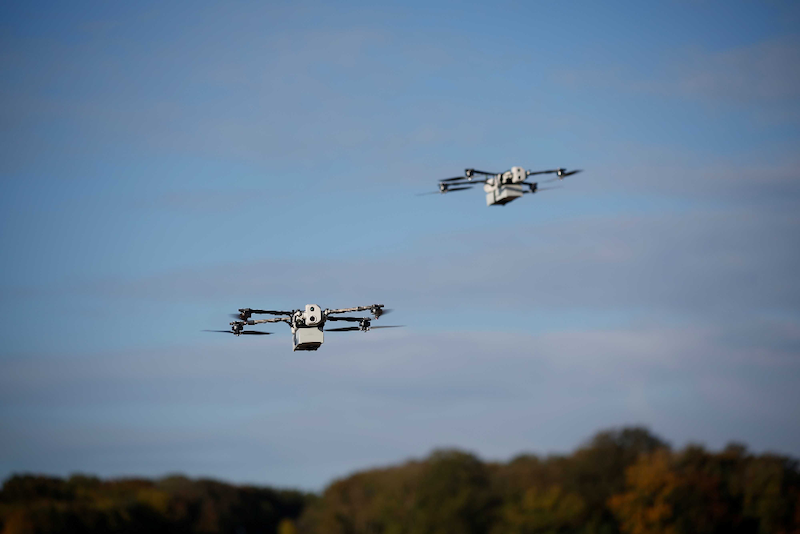
BT's disclosure that cellular networks are becoming the primary communications link for low-altitude commercial drones marks a notable inflection point in how the UAS industry is solving one of its most persistent operational challenges: reliable beyond-visual-line-of-sight (BVLOS) connectivity. Historically, commercial drone operations relied on dedicated radio-frequency links, satellite communications, or short-range command-and-control (C2) systems that limited range and required significant ground infrastructure. BT's shift toward positioning cellular—likely leveraging existing 4G/5G mobile network infrastructure—as the backbone connectivity layer for drones performing deliveries, emergency response, and infrastructure inspection suggests that telecom carriers see a genuine commercial opportunity in servicing the growing low-altitude economy, treating drones essentially as another category of connected mobile device riding on public network infrastructure.
For working pilots and aviation operators, this development is significant even though it centers on uncrewed platforms, because the regulatory and airspace integration challenges facing drones directly shape the operating environment crewed aircraft will share. As BVLOS drone operations scale using cellular connectivity, regulators including the UK's CAA and, by extension, the FAA and EASA, will need to establish clearer rules for detect-and-avoid capabilities, spectrum allocation, and airspace deconfliction between crewed and uncrewed traffic at low altitudes. Business aviation and helicopter operators flying low-level routes—particularly for medevac, offshore support, or urban air mobility precursor operations—have a direct stake in how reliable and resilient these cellular-based C2 links prove to be, since network dead zones, latency, or congestion could translate into lost-link drone incidents that create hazards in shared airspace. Cellular connectivity also raises questions about network prioritization during high-traffic periods or emergencies, an issue aviation safety regulators will need to address as drone traffic density increases near airports, urban centers, and critical infrastructure corridors.
More broadly, this fits into an accelerating trend across commercial and general aviation toward greater reliance on terrestrial and space-based data networks for both crewed and uncrewed operations. Just as business jets and airliners increasingly depend on satellite-based ADS-B, cockpit connectivity, and datalink services from providers like Viasat, Iridium, and Starlink, drone operators are now tapping into telecom infrastructure originally built for consumer mobile devices. This convergence of aviation and telecommunications sectors signals that connectivity providers—not just avionics manufacturers—will play an increasingly central role in enabling next-generation airspace operations, from cellular-linked drones to future eVTOL air taxis. For fleet operators and corporate aviation departments watching the UAS space, BT's cellular strategy is a preview of the infrastructure debates that will eventually touch crewed low-altitude operations, particularly as urban air mobility and advanced air mobility (AAM) programs mature and require the same kind of persistent, high-bandwidth, low-latency connectivity that cellular networks promise to deliver at a fraction of the cost of dedicated aviation-specific systems.






 Read original article