Why Airlines Keep Choosing The Airbus A321XLR Over The Boeing 737 MAX 10
The Boeing 737 MAX 10's continued certification limbo has become one of the most consequential competitive dynamics in commercial aviation, with the Airbus A321XLR capitalizing on Boeing's delays to cement its position as the preferred large single-aisle aircraft for airlines pursuing both capacity growth and range expansion. Despite accumulating well over 1,000 orders from a broad customer base spanning United, American, Delta, Ryanair, Alaska, and dozens of other carriers worldwide, Boeing has yet to deliver a single MAX 10 to a customer. The bottleneck stems from FAA-mandated system safety assessments—exhaustive theoretical failure-mode analyses that can generate documentation exceeding 10,000 pages per assessment. As of May, 31 such assessments remained outstanding. Boeing now projects deliveries beginning in 2027, meaning the aircraft will have gone from launch to first delivery over a period stretching nearly a decade, an outcome with real financial and fleet-planning consequences for every airline holding a position on the order book.
For working pilots and flight operations departments, this delay is not merely a manufacturing curiosity—it directly shapes fleet planning, training pipelines, and route network development for years to come. Airlines that had banked on MAX 10 deliveries to replace aging 737-900ERs or A321ceos, or to open new high-density domestic and regional routes, have been forced to extend the service life of older airframes, lease additional aircraft, or lean harder on existing A321neo family jets to bridge the gap. This has downstream effects on pilot staffing and training: extended reliance on legacy fleets means more time and resources devoted to maintaining dual type ratings or supporting aircraft nearing the end of their economic life, while newer-hire pilots may find their expected transition timelines onto the MAX 10 pushed back repeatedly. The uncertainty also complicates crew scheduling and network planning teams' ability to commit to long-haul, thin-route service that depends on the MAX 10's promised capabilities, since those plans now hinge on a moving certification target.
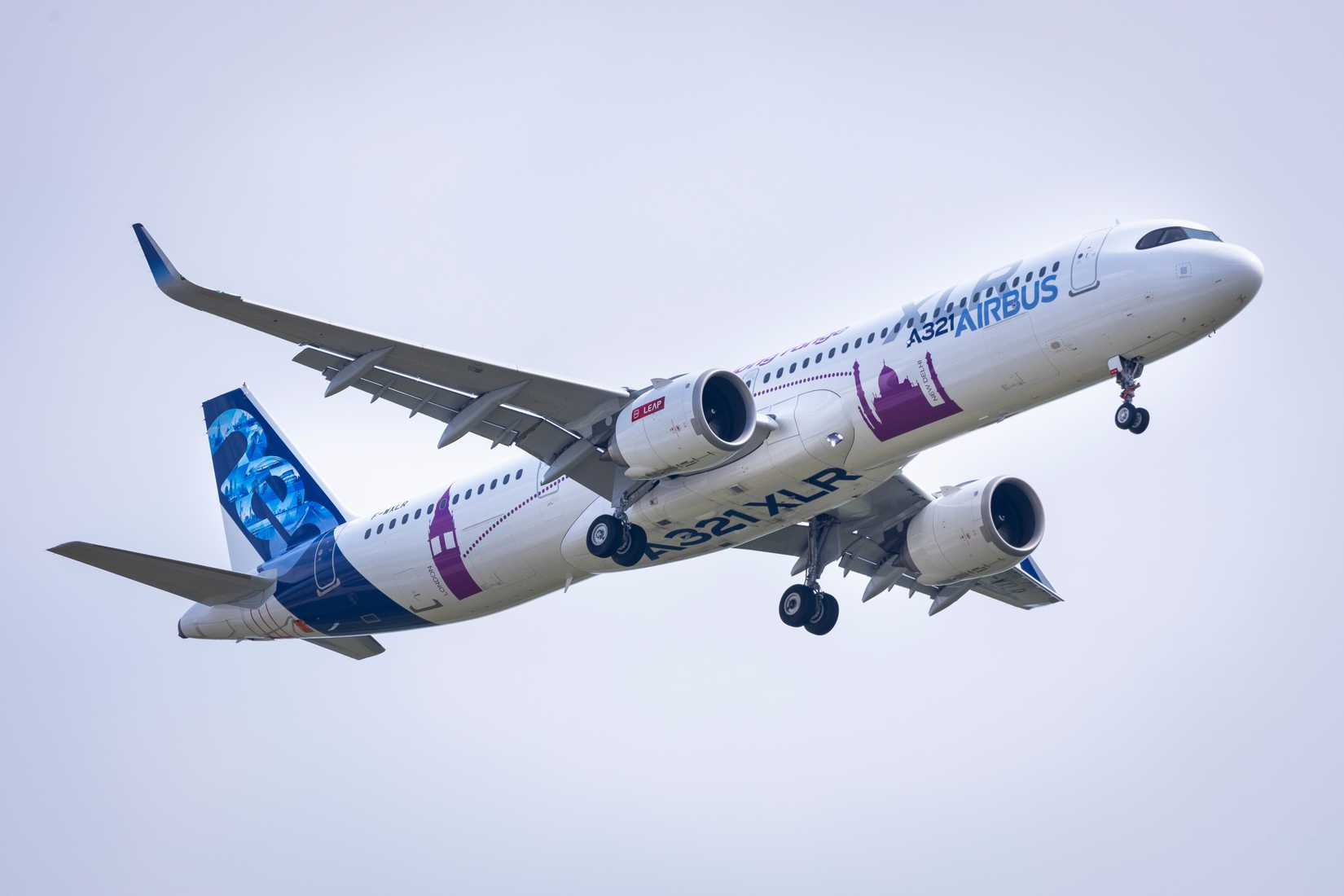
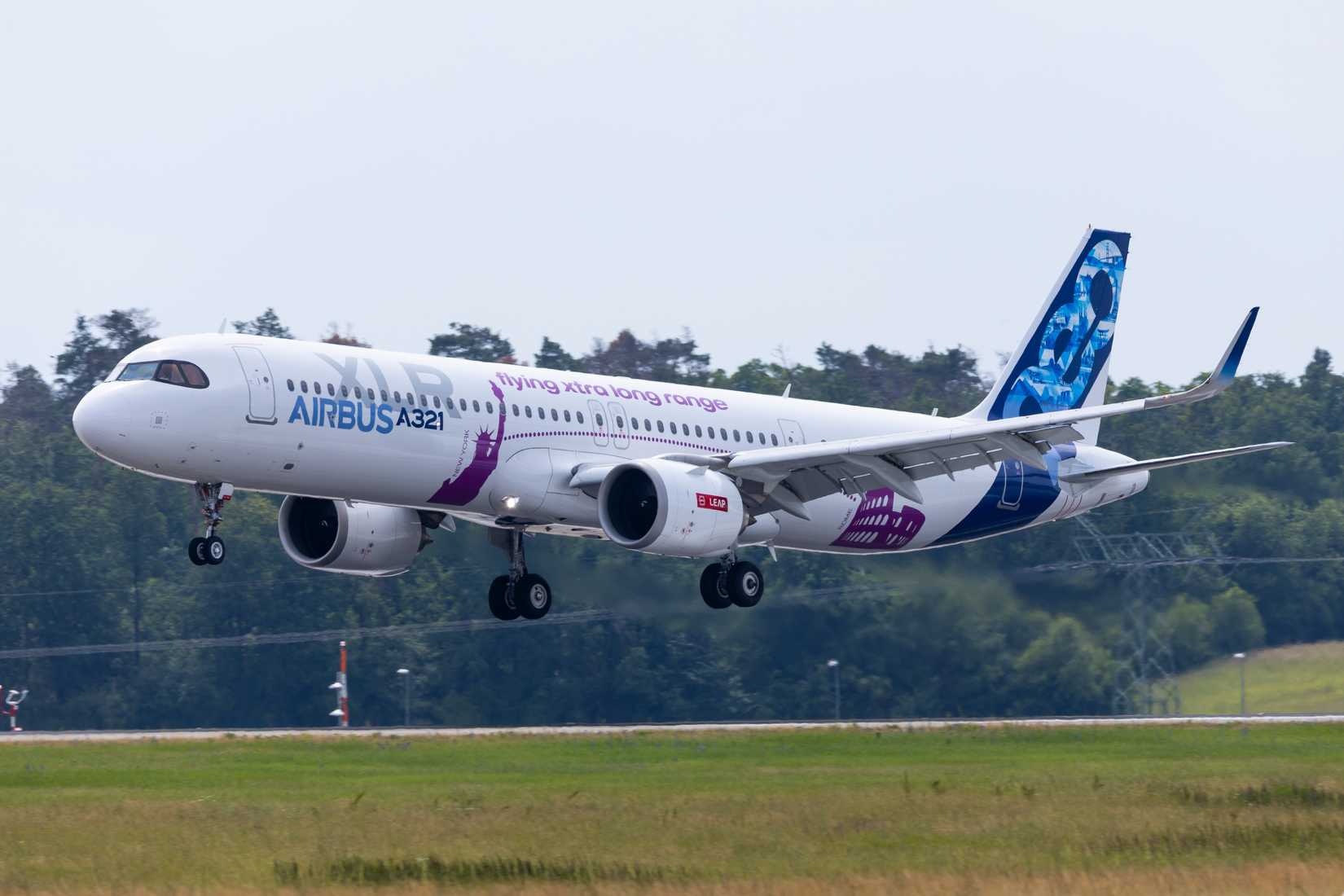
The A321XLR's technical advantages compound the competitive pressure. With a range of 4,700 nautical miles versus the MAX 10's 3,100, the XLR is unlocking city pairs previously unreachable by narrowbody aircraft—New York to Rome, London to Delhi, Kuala Lumpur to Sydney—fundamentally altering how airlines think about long, thin international routes that don't justify widebody equipment. For pilots, this means an expanding population of narrowbody-qualified crews now flying genuinely long-haul missions, with the attendant considerations around fatigue management, extended operations procedures, and crew rest that were once the exclusive domain of widebody long-haul flying. The XLR's enlarged center wing tank and permanent Rear Center Tank achieve this range without meaningfully sacrificing cargo capacity, making it operationally efficient as well as strategically flexible—a combination that has proven hard for the MAX 10 to match on paper, let alone in service.
Beyond range, the fleet commonality angle is reshaping procurement decisions industry-wide, as illustrated by IndiGo's aggressive A321XLR commitment (67 aircraft on order against just two in service, layered atop an already massive A320neo/A321neo fleet exceeding 340 aircraft). Airlines already operating the A320neo family gain a low-friction path to XLR operations, since pilots, maintenance technicians, and ground infrastructure require minimal incremental investment—a powerful argument in an era when training costs and pilot supply constraints weigh heavily on fleet decisions. This dynamic mirrors a broader trend across the industry: commonality and delivery reliability are increasingly valued as much as, or more than, raw aircraft performance specs. For operators evaluating fleet renewal, Boeing's certification struggles serve as a cautionary data point about program risk, reinforcing why airlines like Wizz Air and others have followed IndiGo's lead in doubling down on the Airbus narrowbody family. Until the MAX 10 achieves certification and Boeing demonstrates it can execute deliveries at scale, expect the A321XLR to keep extending its lead in the segment that will define single-aisle route economics for the next decade.










 Read original article