How Long-Haul Pilots Actually Sleep At 38,000 Feet On An 11-Hour International Flight
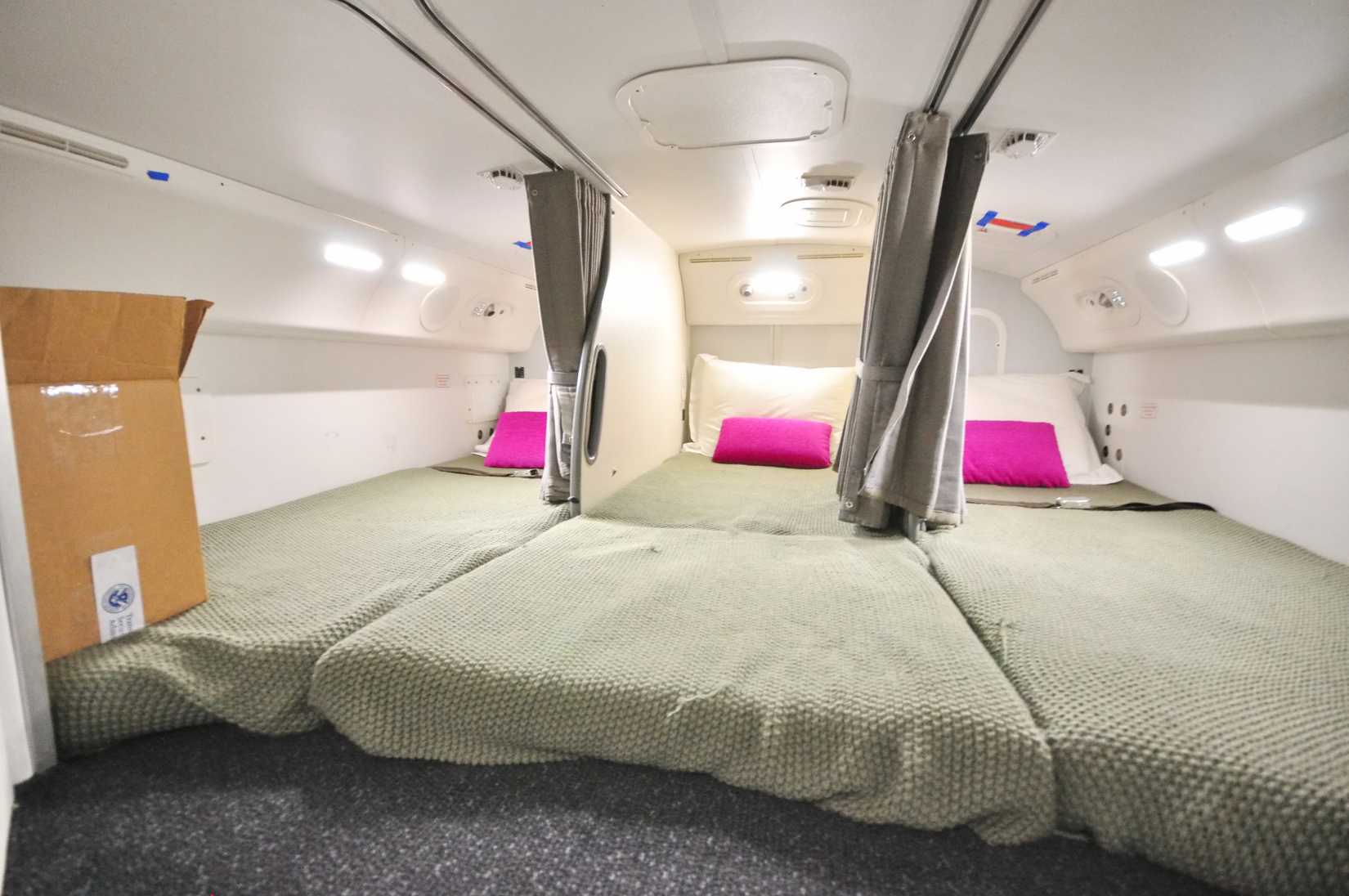
Long-haul crew rest procedures have moved from an operational footnote to a subject of increasing scrutiny as ultra-long-range flying becomes more common, and this article's breakdown of how augmented crews manage sleep at cruise altitude illustrates just how tightly regulated—and how thin the margins remain—this part of the operation truly is. Under FAA Part 117, flights running up to 13 hours require a third pilot, while anything up to 17 hours mandates a four-person crew, with rest periods only kicking in once the aircraft climbs through 18,000 feet and ending roughly 45 minutes before landing. On a typical 10-hour Pacific crossing, that leaves each pilot with about 2.5 hours of uninterrupted rest out of a nine-hour usable window—a number that sounds generous until it's set against the physiological reality that sleep inertia, circadian disruption, and the noise/vibration environment of a Class One bunk can all erode the restorative value of that time.
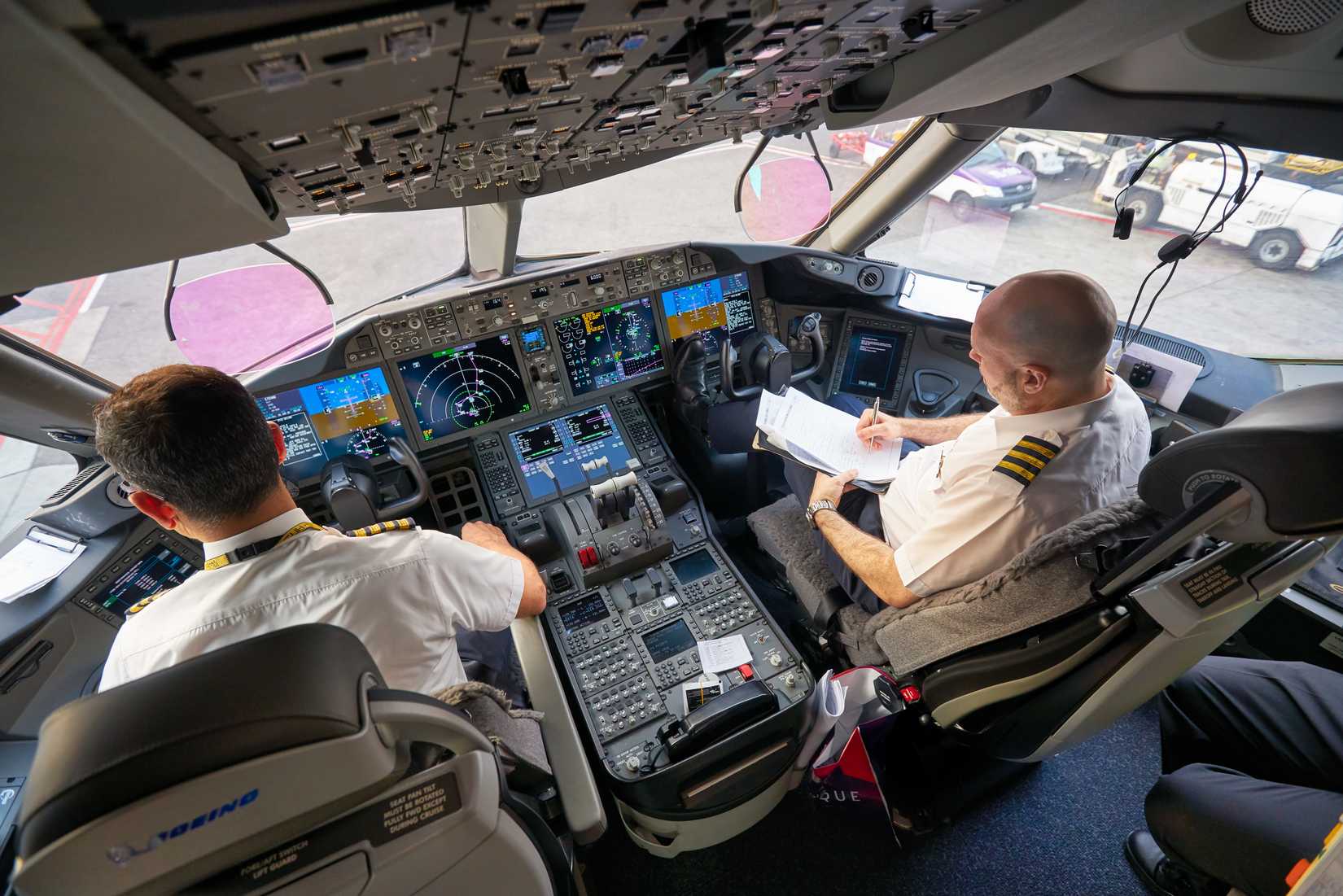
For working pilots, particularly those flying 787, 777, A350, and A330 long-haul routes, the specifics matter well beyond curiosity value. The FAA's bunk specifications—78 by 30 inches, temperature and lighting control, oxygen mask access—are minimum standards, not comfort guarantees, and the article's note that larger pilots may struggle to fit comfortably is a real crew scheduling and equipment consideration for carriers expanding ultra-long-haul fleets. More significant is the fatigue data cited: BALPA's finding that 43% of surveyed pilots had involuntarily fallen asleep on the flight deck, with nearly a third of those waking to find the other pilot also asleep, underscores that even with FAA-mandated rest architecture in place, the system is operating close to its physiological limits. The AEU804 incident—where an unscheduled fuel stop extended duty hours beyond what rest planning anticipated, contributing to a runway excursion at Keflavík—is a useful reminder that irregular operations, not just scheduled duty length, are often where fatigue risk actually materializes. That's directly relevant to dispatchers, crew schedulers, and captains making real-time decisions about diversions, holding, or extended duty days.
The broader trend here is the industry's push toward ever-longer nonstop sectors, exemplified by Qantas's Project Sunrise routes connecting Australia directly to New York and London at flight times approaching 22 hours. Qantas's pandemic-era research flights, which gathered physiological data on alertness, hydration, and circadian rhythm across crews without the complication of paying passengers, represent a rare opportunity for evidence-based rest optimization rather than just incremental adjustment of existing Part 117-style frameworks. As airlines like Qantas, Singapore Airlines, and others push airframe range further, regulators and operators will need fatigue risk management systems (FRMS) that go beyond simple duty-time tables and instead model actual sleep architecture, bunk quality, and individual circadian variation—especially as ULR flights blur the line between augmented crew rest and something closer to full crew rotation.
For flight operations departments and training organizations, this is a signal to keep pushing FRMS beyond compliance-only postures. The data points cited—15-20% of human-error-related fatal accidents linked to fatigue—make clear that crew rest isn't a soft HR issue but a hard safety metric, and as ULR routes proliferate across both legacy carriers and cargo operators flying similarly grueling profiles, the industry's ability to translate physiological research into practical rest-period design, bunk engineering, and duty-time rulemaking will directly shape safety outcomes on the routes that increasingly define premium international travel.





 Read original article