Hill Helicopters Fires Up GT50 Turboshaft
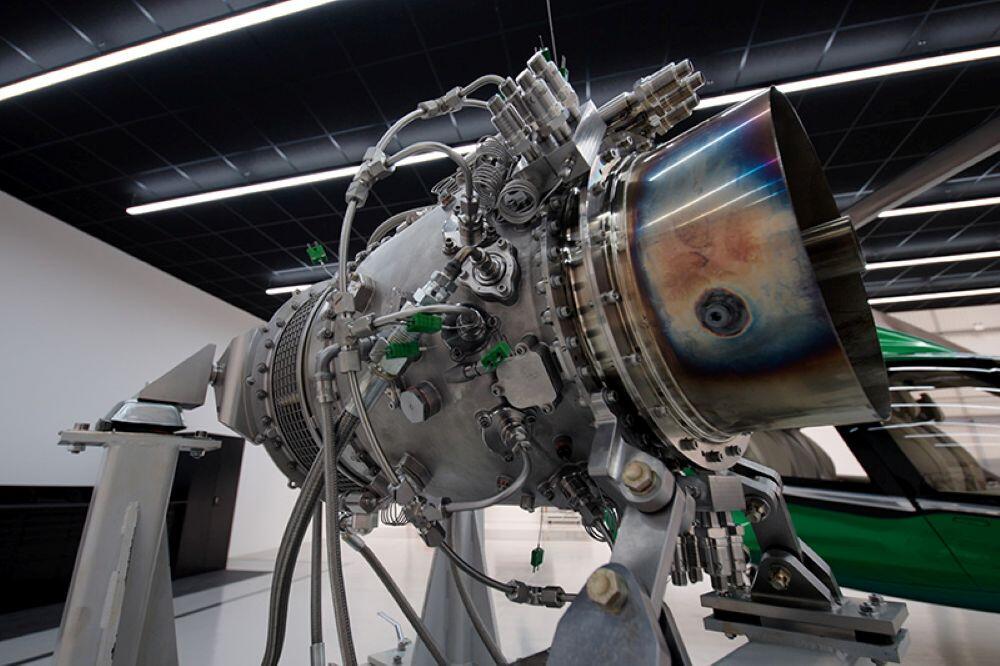
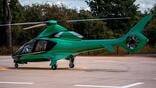
Hill Helicopters has reached a significant engineering milestone with the first successful test runs of its proprietary GT50 turboshaft engine, conducted on July 20 at the company's UK facility. This achievement is central to the viability of the company's ambitious business model, which is built around vertical integration—designing and manufacturing not just the airframe but also the powerplant, avionics, and most other major systems for its HX50 (kit-built, experimental category) and HC50 (certified) single-engine light helicopters. Unlike most rotorcraft manufacturers, who source engines from established suppliers such as Safran, Pratt & Whitney Canada, or Turbomeca-descended Safran Helicopter Engines, Hill Helicopters elected to develop its own turboshaft from scratch, a decision that has drawn both admiration and skepticism from industry observers given the enormous technical and certification challenges inherent in powerplant development.
For working pilots and operators, this milestone carries meaningful implications, particularly for those in the owner-flown and light commercial helicopter segment who have been tracking the HX50/HC50 program closely. Hill Helicopters has amassed a substantial order backlog—reportedly numbering in the hundreds—from private owners and operators attracted by the promise of a modern, five-seat, glass-cockpit single that competes on performance and price with established players like Robinson, Bell, and Airbus Helicopters' light single offerings. The GT50 engine run is a critical gating event because until now, much of the HX50/HC50 program's progress has centered on airframe and systems development, with the engine representing the highest-risk, longest-lead element. A successful engine program de-risks the broader project and moves Hill closer to first flight and, eventually, EASA/CAA type certification for the HC50 variant—a process that will require extensive engine qualification testing, including endurance runs, altitude testing, and FADEC validation, none of which are trivial undertakings for a company without prior turbine engine production experience.
The broader context here touches on a notable trend in general aviation and light rotorcraft manufacturing: new entrants attempting to disrupt entrenched OEM relationships by controlling more of the supply chain in-house. This mirrors similar vertical-integration strategies seen in fixed-wing programs and echoes the challenges faced by other ambitious startups that have struggled to move from prototype to certified, mass-produced hardware—engine development in particular has proven to be a graveyard for optimistic timelines across aviation history, from automotive-derived diesel aircraft engines to more recent electric and hybrid propulsion ventures. Turboshaft engines demand not only aerodynamic and thermodynamic sophistication but also metallurgy, hot-section durability, and rigorous certification testing that established engine manufacturers have refined over decades. Hill Helicopters' willingness to take on this risk, rather than integrating a proven engine from Safran or P&WC, is a bold differentiator but also the single largest technical and schedule risk to the program.
For pilots and fleet operators evaluating the HX50/HC50 as a future acquisition, this test milestone is an encouraging signal but not a guarantee of near-term delivery. Engine certification timelines are notoriously difficult to predict, and buyers in the queue should watch subsequent test campaign results—particularly endurance and altitude testing outcomes—as the true indicators of program health. If Hill Helicopters can successfully mature the GT50 through certification, it would represent a rare case of a clean-sheet turboshaft entering the light single-engine helicopter market in decades, potentially reshaping competitive dynamics in a segment long dominated by a handful of legacy engine suppliers.




 Read original article