Delta Discounts First-Ever Saudi Arabia Route Amid 'Softer Than Anticipated' Bookings
Delta Air Lines is moving to shore up bookings on its inaugural Atlanta–Riyadh route with a SkyMiles award sale that undercuts typical long-haul redemption levels, offering round-trip economy awards from as low as 25,500 miles for cardholders combining the offer with the TakeOff 15 discount. The timing is notable: this promotion arrives just weeks after Delta President Peter Carter publicly conceded that ticket sales on the route were "softer than anticipated," with reports indicating a November 4 departure had sold only five seats by late July — well below the roughly 50% load factor long-haul international flights typically achieve at that point in the booking curve. Rather than delaying or downgrading the launch, Delta is proceeding with daily A350-900 service beginning October 23, dropping to three-weekly frequencies after just one week, a scheduling pattern that itself signals cautious confidence in sustained demand.
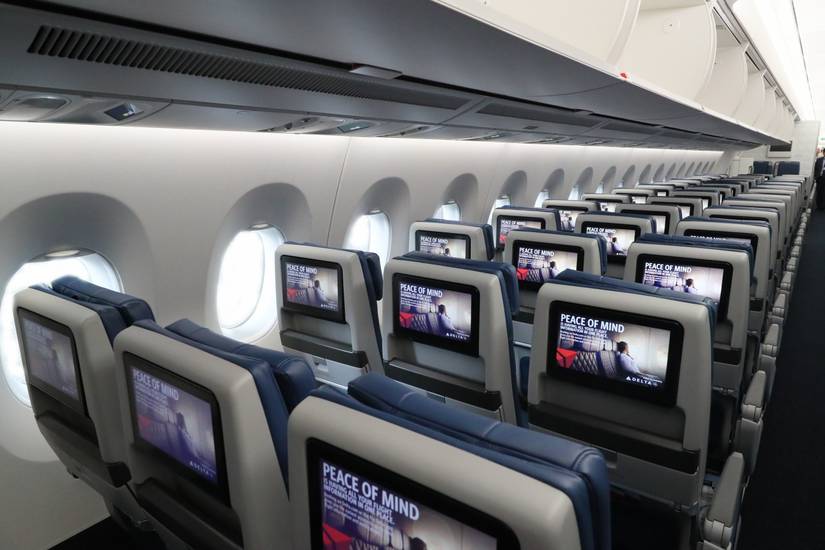
For working pilots, particularly those at Delta or eyeing long-haul widebody bidding pools, this route is significant on several fronts. At a blocked time exceeding 15 hours on the return leg and a stage length of 6,318 nautical miles, ATL-RUH will rank among the longest segments in Delta's network, adding to the small but growing portfolio of ultra-long-haul pairings that require augmented crewing, careful fatigue risk management, and FAA Part 117 compliance planning. The route's premium-heavy A350 configuration — 40 Delta One suites and 40 Premium Select seats against 195 economy seats — reflects Delta's bet that business and first-class demand from energy-sector executives, government affairs travelers, and Saudi Arabia's Vision 2030-driven investment traffic will offset softer leisure economy bookings. Crews and schedulers should also note the operational complexity of night departures from both ends (10:30 PM ATL, 11:30 PM RUH), which pushes circadian-disruptive flying into the mix even for a route not crossing the most extreme number of time zones.
The broader context matters as much as the route itself. Delta's Riyadh launch is the centerpiece of its strategic alliance with Riyadh Air, the new Saudi flag carrier that only began operations in June 2026 and is aggressively scaling toward 22 destinations by March 2027 and over 100 by 2030. This mirrors a pattern seen repeatedly in Gulf aviation — Emirates, Qatar Airways, and Etihad all leaned on partner-airline codeshares and government-backed capacity pushes to build long-haul networks before organic demand caught up. Delta's SkyTeam positioning, now reinforced by both Saudia and Riyadh Air, gives it two horses in the Saudi market, but the softness in early bookings underscores the risk airlines take when launching new international gateways ahead of confirmed demand, especially amid regional volatility. Several carriers — Cathay Pacific (suspended until October 25) and British Airways (cutting Riyadh frequencies from August 8) — have already scaled back Saudi service due to the ongoing US-Iran conflict, a reminder that geopolitical risk in the Gulf region remains a live variable for dispatchers, flight planners, and network strategists alike.
For business aviation and corporate flight departments monitoring Gulf access, Delta's move is a useful bellwether: even a major US carrier with deep alliance backing is finding that new-market demand generation takes time and incentive-heavy marketing, particularly when regional security concerns are simultaneously causing competitors to retreat. Airlines and flight departments alike should watch how load factors evolve through the October launch and into the shoulder season, as the outcome will likely influence whether other US carriers consider direct Saudi Arabia service, and whether Delta sustains, expands, or quietly trims its three-weekly schedule once the promotional booking window closes in April 2027.








 Read original article