The Real Reason Why No US Airline Ever Operated The Airbus A380
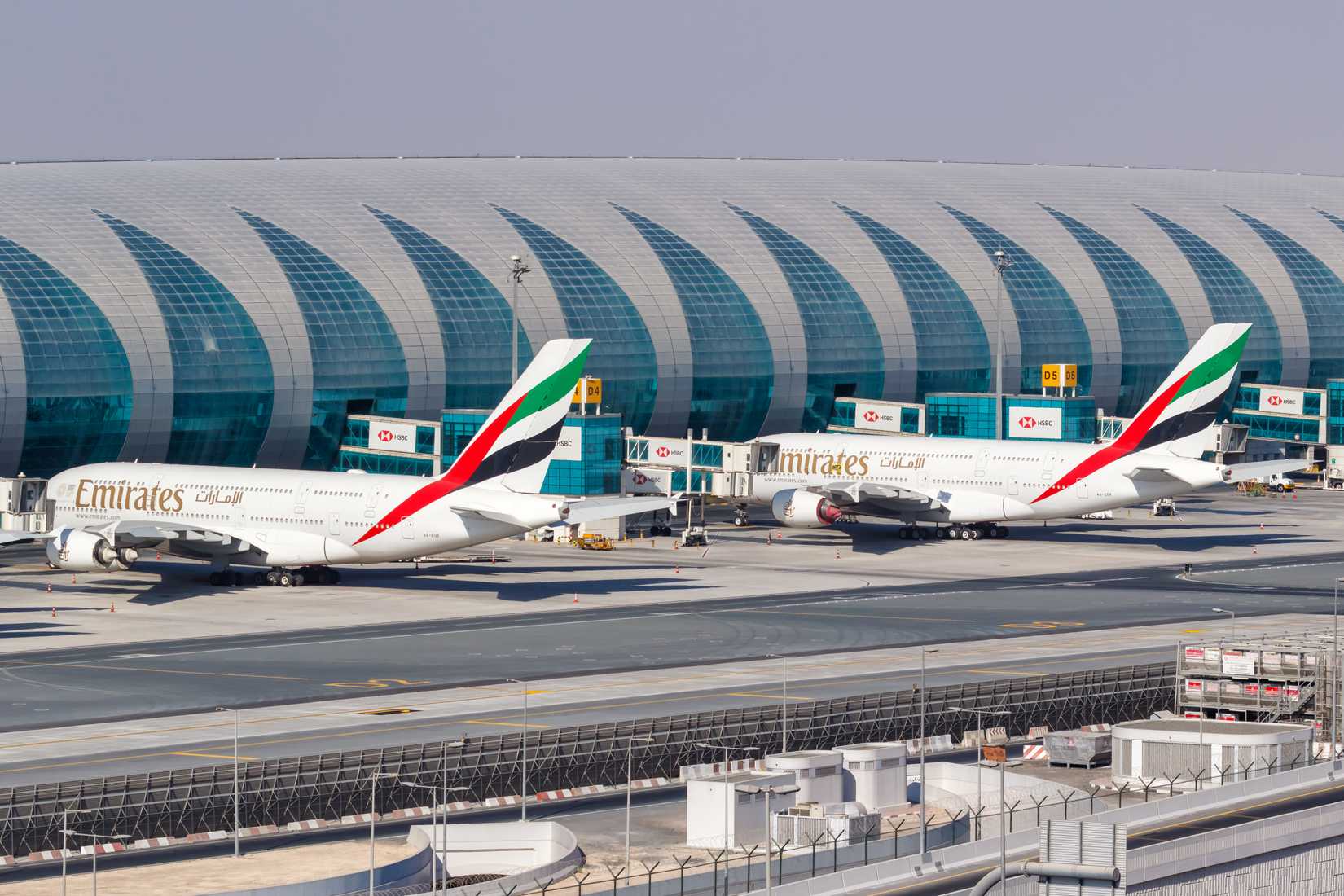
The absence of the Airbus A380 from any US airline fleet stems from a fundamental mismatch between the aircraft's design philosophy and the structural realities of American network aviation. Airbus conceived the superjumbo in the early 1990s as a solution to hub congestion, betting that airlines would concentrate international traffic through a small number of mega-hubs requiring very-high-capacity aircraft to move passengers efficiently between them. That bet paid off for carriers like Emirates, which built its entire model around a single hub at Dubai and now operates 116 A380s to funnel global traffic through it. But American Airlines, Delta, and United took the opposite approach, distributing operations across 22 airports and 27 hub designations. With demand spread across multiple gateways rather than concentrated at one or two, no single US carrier accumulated enough point-to-point demand on any given route to consistently fill an 500+ seat aircraft, making the A380's core value proposition irrelevant to their networks.
For working pilots, this history illuminates why fleet planning decisions at US majors have consistently favored efficient, long-range twin-engine widebodies—the Boeing 777, 787, and Airbus A330/A350 family—over ultra-high-capacity quad-jets. These aircraft offer the range and reasonable capacity needed to serve secondary and tertiary international markets profitably, while retaining the operational flexibility to be redeployed across a carrier's sprawling hub network as demand shifts seasonally or competitively. Pilots who have flown for legacy carriers have seen this play out directly in fleet composition: type ratings and route assignments at US airlines have trended toward widebody twins precisely because they match the point-to-point, multi-hub reality of domestic and international US route networks, rather than the hub-and-spoke concentration model that favored the A380 at carriers like Emirates, Singapore Airlines, and Lufthansa.
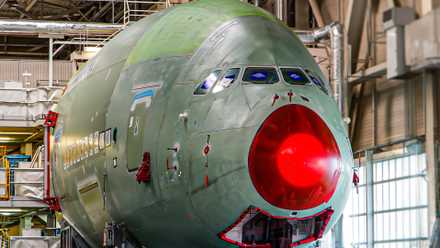
The broader industry implication reinforces a trend that has already played out globally: the market for very large aircraft has essentially collapsed in favor of twin-engine efficiency. Airbus ended A380 production in 2021 after building just over 250 units, a fraction of its original sales projections, largely because ETOPS-capable twinjets closed the economic gap on long-haul routes while offering airlines far greater scheduling flexibility. Boeing's 747 passenger variant met a similar fate. For flight departments, training organizations, and aircraft leasing operations, this underscores why long-range twin programs continue to dominate widebody orders at Boeing and Airbus, and why used A380s have struggled to find secondary buyers outside of a handful of hub-concentrated Gulf and Asian carriers.
Finally, this dynamic offers a broader lesson about aircraft-market fit that extends well beyond the A380 itself. Corporate and business aviation operators, along with regional and Part 135 carriers, face analogous calculus when evaluating aircraft acquisitions: capability and capacity must match network structure, not simply theoretical efficiency at maximum load. The A380's fate in the US market is a cautionary tale in over-optimizing for one demand scenario—dense hub-to-hub megacity pairs—while overlooking the operational flexibility that diversified, multi-hub networks require. As US carriers continue investing in narrowbody and mid-size widebody fleets capable of serving an expanding list of long-haul markets, from secondary European and Asian cities to emerging Indian and African destinations, the underlying strategic logic that kept the A380 out of US skies remains as relevant as ever to fleet planning decisions across the industry.







 Read original article